Five Readomania Books to Read This Festive October
October arrives in India carrying with it the unmistakable glow of the festive season. Across the country, homes light up, streets come alive with music and colour, and families gather to celebrate traditions that have travelled across generations. From the nine nights of Navratri, when the many manifestations of the Goddess are worshipped, to Durga Puja, which celebrates the triumph of Durga over Mahishasura, and Dussehra, which marks the victory of Lord Ram over Ravana, this is a month steeped in stories of courage, faith, righteousness and the triumph of good over evil.
Indian mythology is filled with powerful figures who have shaped these stories. Durga embodies Shakti—the divine feminine power that destroys injustice. Ram represents dharma, duty and righteousness. And Vishnu, the preserver of the universe, is believed to have descended to Earth in different avatars whenever the balance between good and evil needed to be restored.
But mythology is not merely about gods, battles and miracles. At its heart are stories about people—about choices, sacrifice, love, power, injustice and resilience. Some of the most compelling are the stories of women whose voices have sometimes remained in the margins of the larger narratives.
This October, Readomania recommends five books that invite us to revisit these stories through fresh perspectives. Some travel deep into mythology; others examine the women who have inhabited its pages; and one reminds us that the mysteries and legacies of our own families can be as compelling as any ancient legend.
All That She Left Behind by Atima Mankotia
What do we inherit from the women who came before us? Sometimes it is property and jewellery. Sometimes it is a family name. And sometimes, it is a secret.
Atima Mankotia’s All That She Left Behind: Her Burden. Their Inheritance begins with the death of Saudamini Malviya, a formidable, fiercely independent grandmother whose relationship with her daughter Anusuya has always been complicated, while her bond with granddaughter Sanya is deeply affectionate. When Saudamini dies, Sanya expects grief. Instead, she finds herself drawn into a mystery that her grandmother has carefully constructed. A lawyer arrives with instructions, a secret inheritance comes to light, and a family member whom Sanya never knew existed suddenly becomes part of the story.

At its heart, however, this is a story about women—their strength, their silences and the invisible ways in which they hold families together. Women often become the keepers of family histories, carrying memories and secrets that are rarely spoken aloud. Sometimes those secrets are kept out of fear or shame; sometimes they are guarded out of love, to protect the people they call their own.
In that sense, All That She Left Behind resonates beautifully with the spirit of the festive season and the worship of the Mother Goddess. Shakti is not only the power that defeats evil; it is also the quiet, enduring strength that nurtures, protects and sustains. It lives in the women who hold families together through difficult times, who carry burdens without announcing them, and who make difficult choices for those they love.
Saudamini embodies this more complicated understanding of feminine strength. Her legacy is not simply what she leaves behind in her will, but the truths, choices and secrets that shape the lives of the women who come after her. As we celebrate the many manifestations of the Goddess this October, this novel reminds us that the Shakti in our own lives can be found in the women who stand beside us—and sometimes, in the women whose stories we are only beginning to understand.
Get your copy here
Dashavatar by Piyusha Vir
Few figures in Indian mythology have inspired as many stories, interpretations and philosophical questions as Vishnu. Dashavatar: Stories of Lord Vishnu by Piyusha Vir turns the spotlight on ten of his most celebrated avatars—Matsya, Kurma, Varaha, Narasimha, Vamana, Parashurama, Rama, Krishna, Buddha and Kalki.
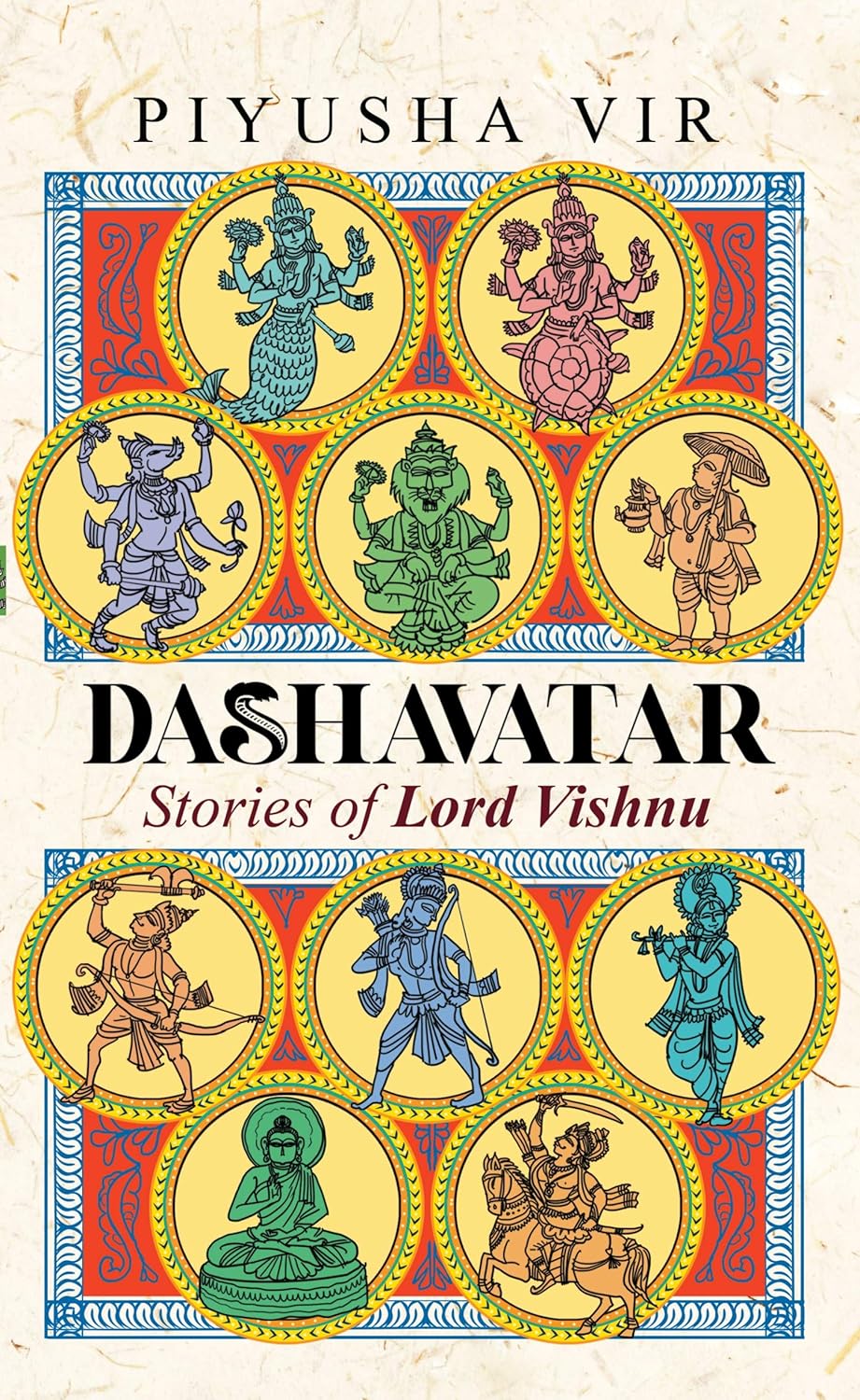
The book asks a fascinating question: if every avatar appeared with a specific purpose, what did each one seek to restore, protect or transform? Moving through these stories, Dashavatar looks at the impact of Vishnu's incarnations on society and explores their relevance in the contemporary world. It also draws an intriguing connection between the traditional concept of evolution through Vishnu's avatars and Charles Darwin's theory of evolution.
For readers who encounter mythology every year through the stories of Rama, Krishna and the Goddess, this book offers an opportunity to look beyond familiar narratives and revisit them with curiosity. It reminds us that mythology can be both ancient and alive—capable of raising questions that remain relevant long after the festival lights have gone out.
Get your copy here
Trihayani by Rupande Mehta
What if some of the most familiar women of Indian mythology were connected in ways we had never imagined?
Rupande Mehta's Trihayani: The Untold Story of Draupadi takes an imaginative journey through the lives of Draupadi, Vedavati, Chaya, Nalayani and Mother Uma, weaving their stories across lifetimes. The book moves between mythology, reincarnation and divine intervention, bringing together characters and episodes from the Mahabharata and wider mythological traditions. Its structure itself reflects this journey, moving through five parts devoted to these women.
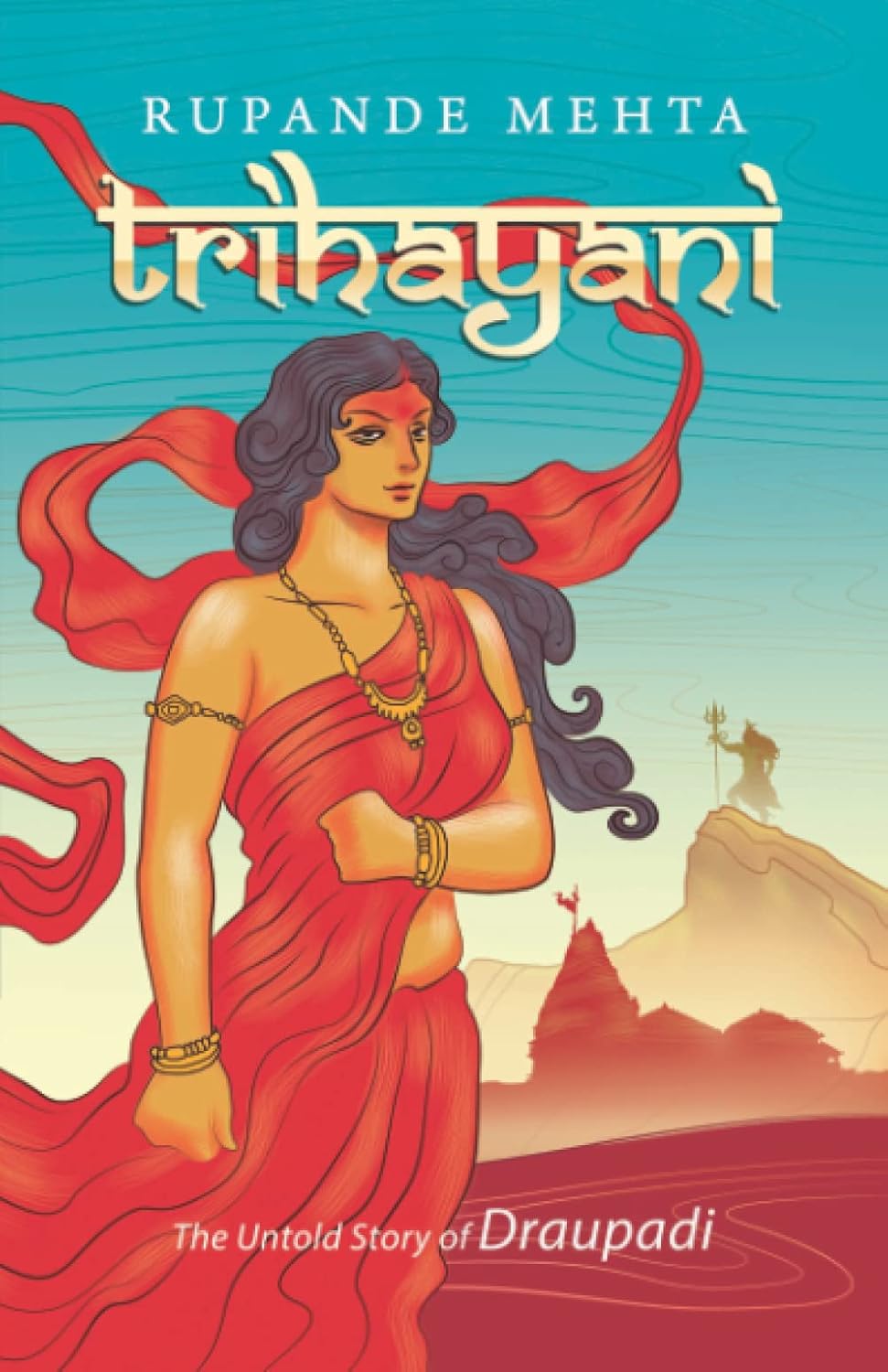
At the heart of the novel is a powerful reimagining of Draupadi. Rather than portraying her merely as the woman who was rescued in the infamous dice-hall episode, Trihayani gives her a much more active role in her own destiny. In the novel's telling, her strength across different lifetimes becomes central to who she ultimately is. The narrative even presents the idea that it was Draupadi's own accumulated spiritual power and deeds that enabled her to save herself.
That makes Trihayani particularly resonant during Navratri and Durga Puja, when the feminine divine is celebrated as Shakti. The book invites us to look at mythological women not simply as wives, daughters or mothers of legendary men, but as forces in their own right.
Get your copy here
Padmavati by Sutapa Basu
History and legend have often walked hand in hand, and few figures embody that tension more intriguingly than Padmavati, the legendary Queen of Chittor.
In Sutapa Basu's Padmavati: The Queen Tells Her Own Story, journalist Mrinalini Rao sets out on an investigative journey to Chittorgarh to answer questions that have persisted for centuries. Who was Padmavati? Did she actually exist, or was she a legend shaped by poets? What does history tell us about her origins and her life? And what could have driven a queen to make the ultimate sacrifice?
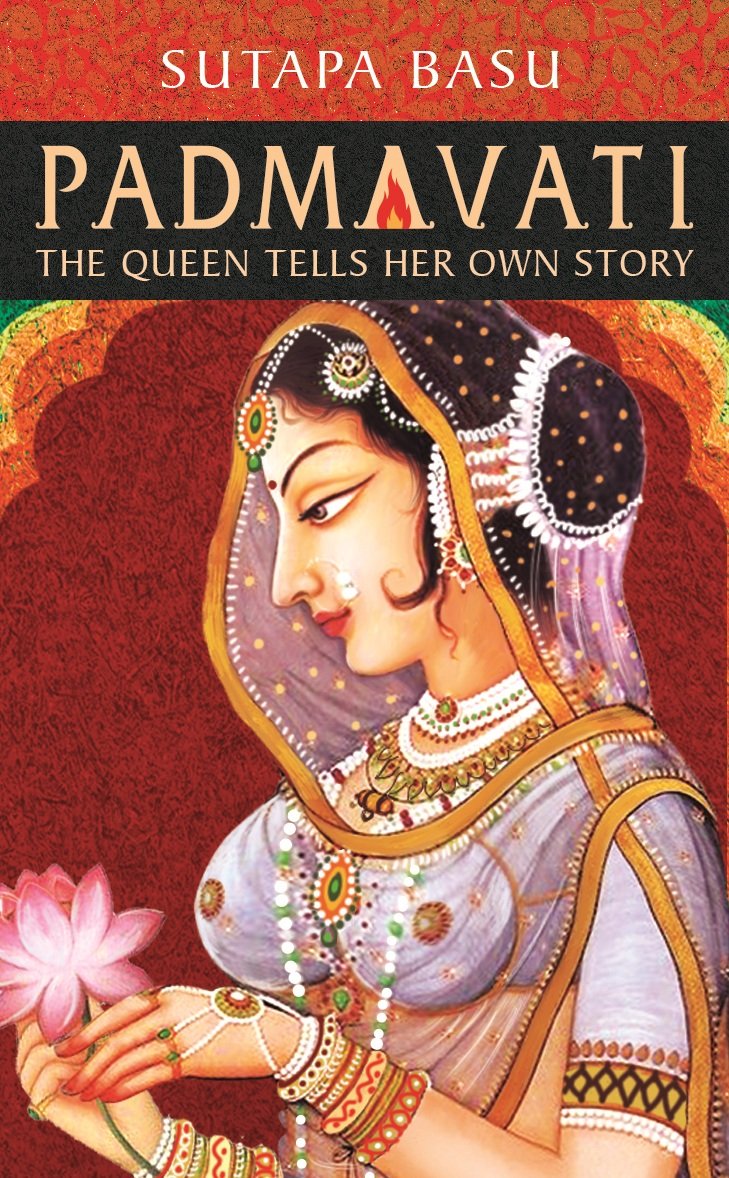
Rather than simply accepting the familiar narrative, Mrinalini approaches Padmavati as a mystery to be investigated. Her journey through Chittorgarh becomes a search for the woman behind the legend—and, ultimately, an exploration of how history, memory and storytelling can transform a woman into an icon.
During a month when the country celebrates stories of extraordinary women and the triumph of courage over adversity, Padmavati offers an opportunity to look at one of India's most enduring legends with fresh questions. It asks us not only what we remember, but also how those memories are created.
Get your copy here
Kausalya: Queen of Hearts by Vibha Sangeeta Krishnkumar
When we think of the Ramayana, Kausalya is often remembered primarily as Rama's mother. But what if there was an entire story behind the woman who gave birth to one of India's most revered avatars?
Vibha Sangeeta Krishnkumar's Kausalya: Queen of Hearts attempts to reclaim that story. Kausalya is presented as an unwanted daughter, a princess whose destiny becomes entangled with Ravana, a woman blessed by the Goddess, a wife who watches her husband take two more spouses, and a queen who is ultimately forced to exile her own son.
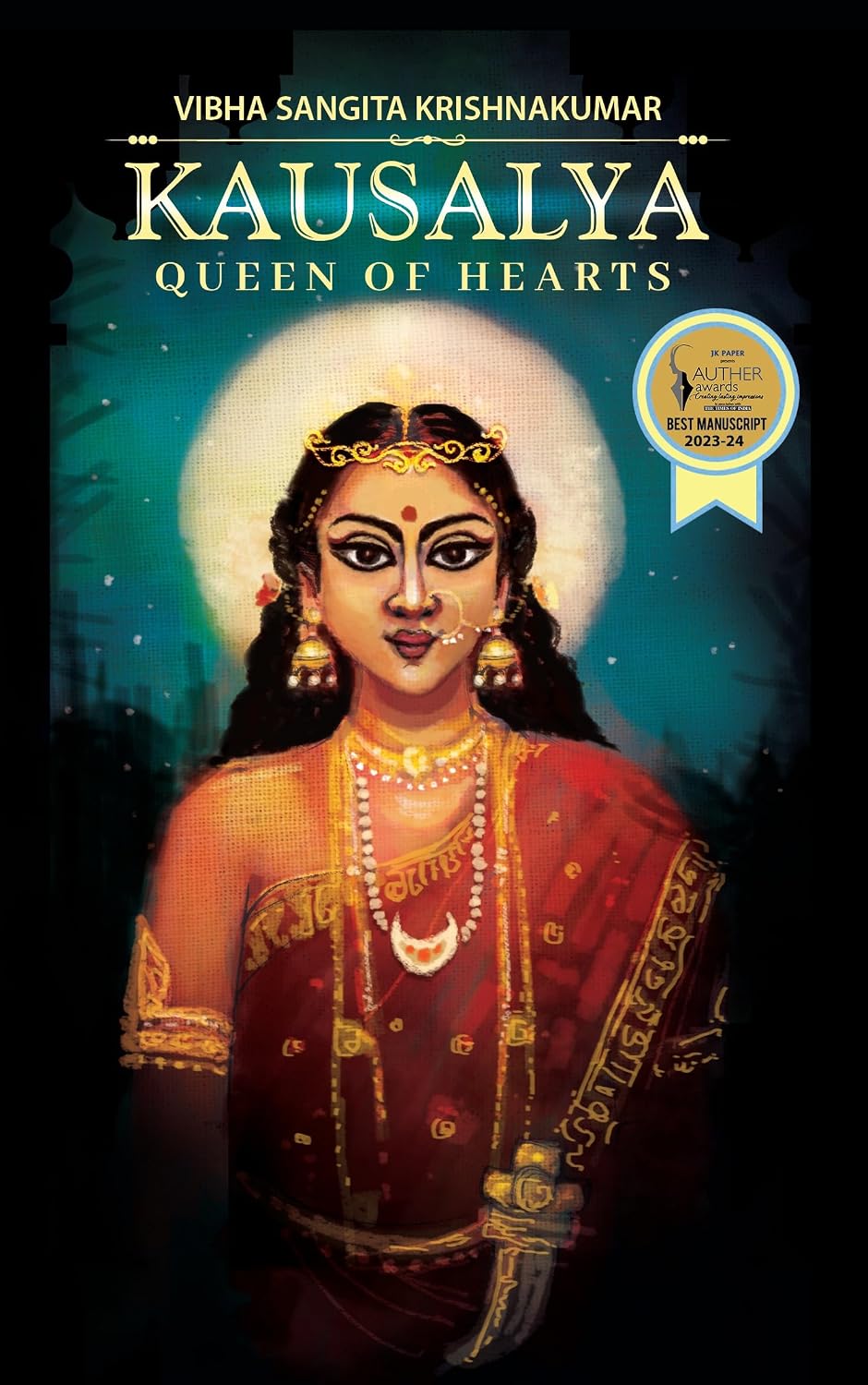
Yet this Kausalya is far more than the silent maternal figure that traditional retellings often leave us with. She is described as a woman of truth and wisdom, love and sacrifice, devotion and strength—a Warrior Queen whose own life contains secrets, conflicts and choices that deserve to be explored.
There could hardly be a more fitting month to rediscover Kausalya. As Dussehra brings Rama's story into homes and public spaces across India, Kausalya turns our attention to the woman behind the celebrated avatar. It asks us to look beyond the familiar hero and listen to the woman whose own story has too often been overshadowed by his.
Get your copy here
Stories to Light Up October
Festivals are, at their heart, celebrations of stories. We retell them because every generation discovers something different in them. The story of Durga can become a story of Shakti. Rama's journey can become a meditation on dharma. Vishnu's avatars can open up questions about change, preservation and the eternal struggle to restore balance.
And perhaps that is why these five Readomania books make such fitting companions for October.
Dashavatar takes us into the many incarnations of Vishnu. Trihayani reimagines the women and divine energies woven through our mythological traditions. Kausalya: Queen of Hearts looks behind one of India's greatest epics to discover the woman who raised its central hero. Padmavati journeys between history and legend in search of a queen whose story has endured for centuries. And All That She Left Behind reminds us that the stories women leave behind do not always belong to mythology—they can live quietly within our own families, passed from one generation to another.
So, as the dhols and dhaks beat, diyas glow, pandals fill with light and homes prepare for the festive gatherings ahead, perhaps this October is also the perfect time to pick up a book and revisit a story we thought we already knew.
May your month be filled with light, stories, courage, and the joy of discovering something new in the familiar. Team Readomania wishes you a very happy, peaceful and book-filled festive season!

Comments