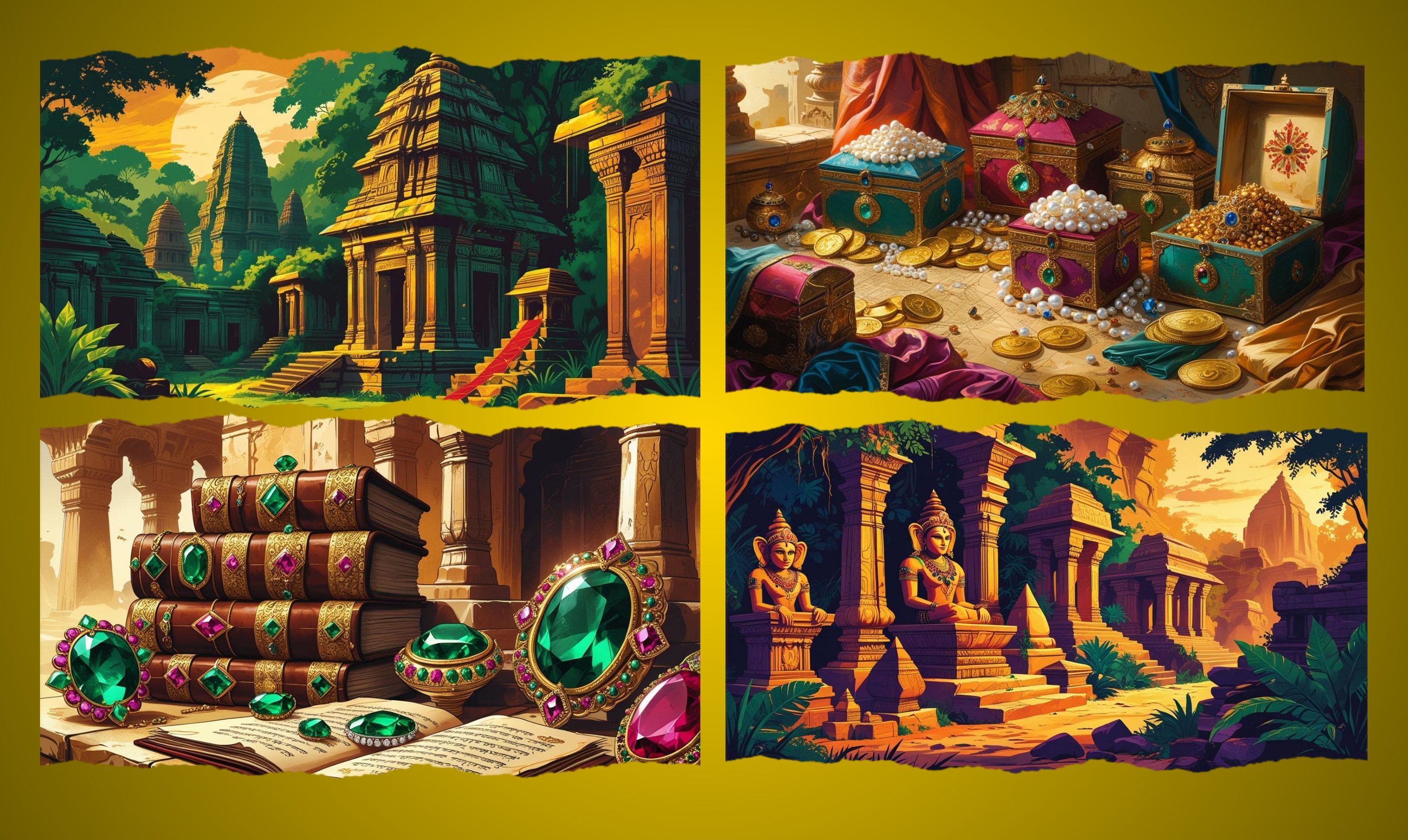
For centuries in India, there have been countless stories about hidden wealth, missing artifacts, and looted relics in the world, especially during and after years of warring and conflict. Much of this stolen and pillaged heritage has now emerged and lies behind glass displays in museums across the world.
There is something irresistibly captivating about the idea of lost treasures. It easily begins to form the backbone of a novel, inspire a gripping adventure film, even fuel a real-life quest for forgotten relics. And the allure is always timeless. For a country as vast and varied as India, with its diverse geography and deep mythological roots, this allure only intensifies in a quest to hunt for our lost treasures.
Over the past few centuries, India has lost a significant part of its heritage—first during colonization, and later through illicit antique trafficking after independence. Here's a look at some of the most iconic treasures that India no longer possesses. Navapashanam is a novel that attempts to bring life to the stories of such lost treasures.
Jewels and Precious Stones
Koh-i-Noor
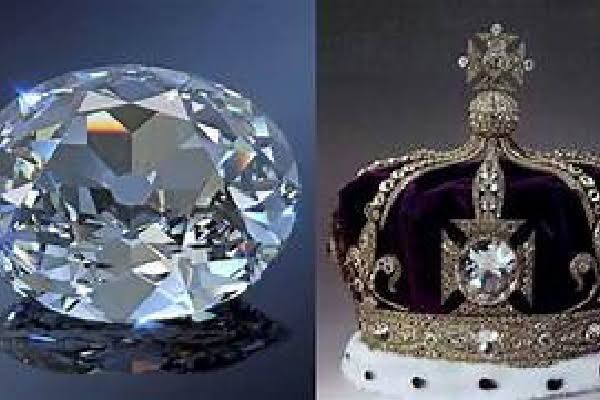
Perhaps the most notorious of all, the Koh-i-Noor was mined from the Kollur mines in present-day Andhra Pradesh. Historical accounts, including those by Muhammad Kazim Marvi, suggest it was one of the many precious stones embedded in the Mughal Peacock Throne. It was taken by Nadir Shah during his invasion of Delhi. Changing hands across empires, it was eventually acquired by the British following the annexation of Punjab in 1849, and was handed to Queen Victoria.
Today, the diamond is part of the British Crown Jewels and remains on display at the Tower of London.
Interestingly, in 2018, the Archaeological Survey of India clarified in court that the diamond had been surrendered, not stolen or taken by force.
The Regent Diamond
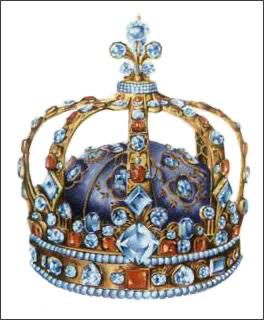
Weighing 426 carats, this diamond was also mined from the Kollur mines and eventually cut into a 140-carat cushion-shaped gem. There is still a debate about whether Thomas Pitt stole the diamond, or purchased it from an Indian merchant. But he did ship it to London through his son. It was eventually acquired by Philippe II, Duke of Orléans, and became part of the French Crown Jewels. The stone has since adorned Napoleon’s sword, served as collateral in high-stakes deals, and even been mounted on a hat worn by Marie Antoinette.
Today, it remains part of the French Crown Jewels.
The Delhi Purple Sapphire (also known as the ‘Cursed Amethyst’)
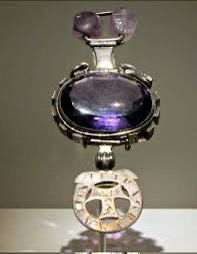
Initially mistaken for a purple sapphire, this amethyst was looted from a temple dedicated to Lord Indra in Cawnpore (modern-day Kanpur) following the 1857 Indian Rebellion. Colonel W. Ferris, who brought it back to England, and his family were reportedly plagued by misfortunes thereafter. The stone’s ominous reputation followed each new owner, earning it the nickname “The Cursed Amethyst.”
Eventually, Edward Heron-Allen, a subsequent owner, threw it into the Regent’s Canal. It was recovered and returned to him. Upon his death, he instructed that it be donated to a museum with a written warning describing it as "stained with blood" and best cast into the sea.
Today, the gemstone is housed in the Natural History Museum in London.
Darya-i-Noor
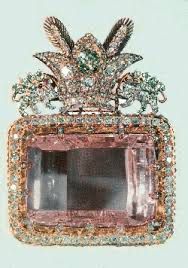
One of the largest known cut diamonds at 182 carats, the Darya-i-Noor is a rare pale pink gem, also mined from the Kollur mines. It once formed part of the Mughal treasury. After Nadir Shah's conquest of Delhi, it was taken along with the Koh-i-Noor and the Peacock Throne.
The Darya-i-Noor is now part of the Iranian National Jewels, held in Tehran.
Sculptures and Sacred Relics
Amaravati Marbles
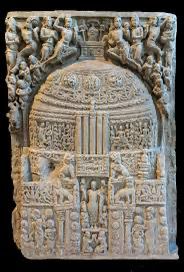
This collection of 120 limestone sculptures and inscriptions once adorned the Amaravati Stupa in Guntur, Andhra Pradesh. These relics, made of a stone called Palnad marble and featuring scenes from the Jataka Tales, were removed in the 1840s by Sir Walter Elliot.
Today, they are housed in the British Museum in a climate-controlled gallery.
Sultanganj Buddha
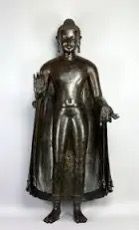
Standing over 2.3 metres tall, the Sultanganj Buddha is one of the largest complete copper statues from its era. Discovered by a railway engineer near Bhagalpur, Bihar, it was shipped to Birmingham in 1864.
It still remains on display at the Birmingham Museum and Art Gallery.
Global Displays
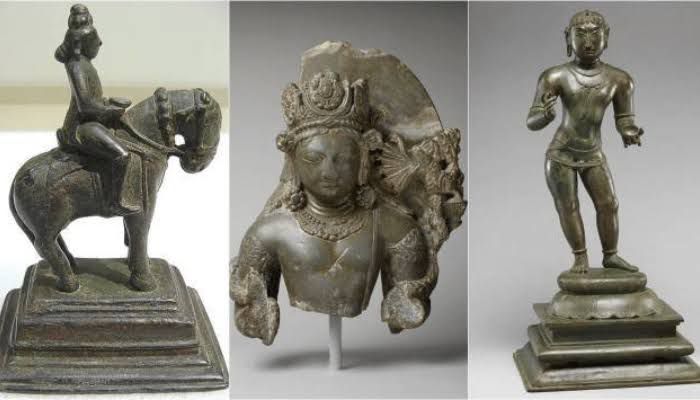
From the Louvre in Paris to the Pergamon Museum in Berlin, countless objects of Indian origin are on display: Gandhara sculptures, rare manuscripts, ivory carvings, ritual items, and more. The means of acquisition, whether by legal trade or through looting, remains a subject that warrants deeper investigation.
Navapashanam: A Story of Lost Treasures
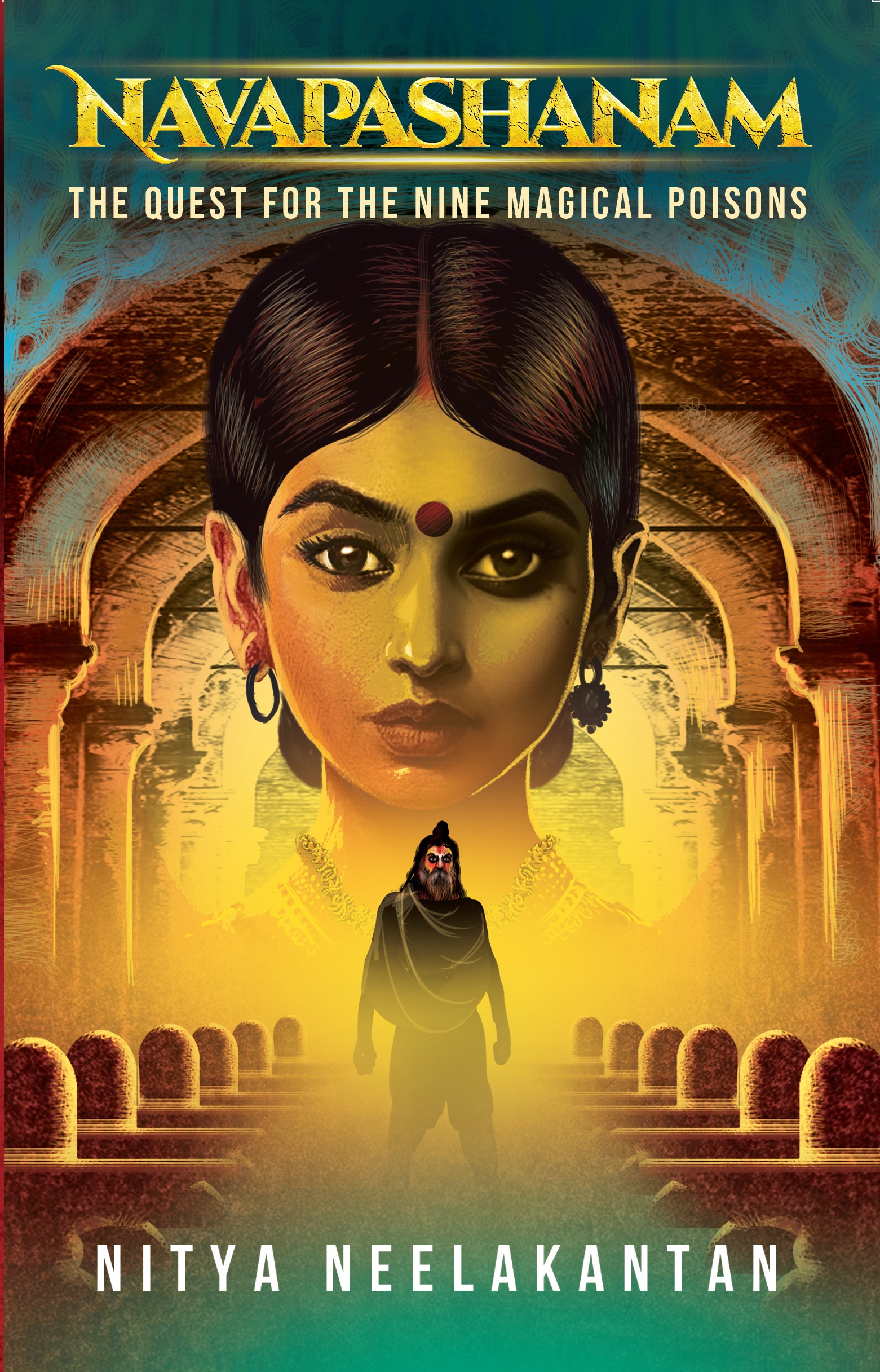 The truth behind legends is often difficult to verify, especially in a country where the boundaries between myth, folklore, and recorded history often blur. Navapashanam, my novel published in 2023, draws from the interplay of the mystical and the historical.
The story revolves around a medicinal artifact believed to possess healing powers once harnessed by the Siddhars of Tamil Nadu. Told through the eyes of two women, two centuries apart, the novel explores how their lives are affected by the same elusive object—the Navapashanam.
The narrative weaves history, tradition, and the thrill of pursuit, all into a story of grand traditions and lost goods. It pays homage to treasures and whispered secrets, while talking about the legends of these lost treasures around the world.
The Story Matters
While the monetary value of lost artifacts is immense, the stories behind them are just as priceless. They connect us to our past, to traditions, and to truths that shape us even today. Through temple corridors, forgotten vaults, and hidden caves, these tales deserve to be explored, remembered, and retold.
We invite you to walk with us through these stories, as we continue to explore legends that weave through history, and the treasures (both real and imagined) that lie waiting to be found.
Accolades
The book was a finalist, top 3 in the IGF Archer Amish awards, recently held in London.
Click here for your copy of her book.
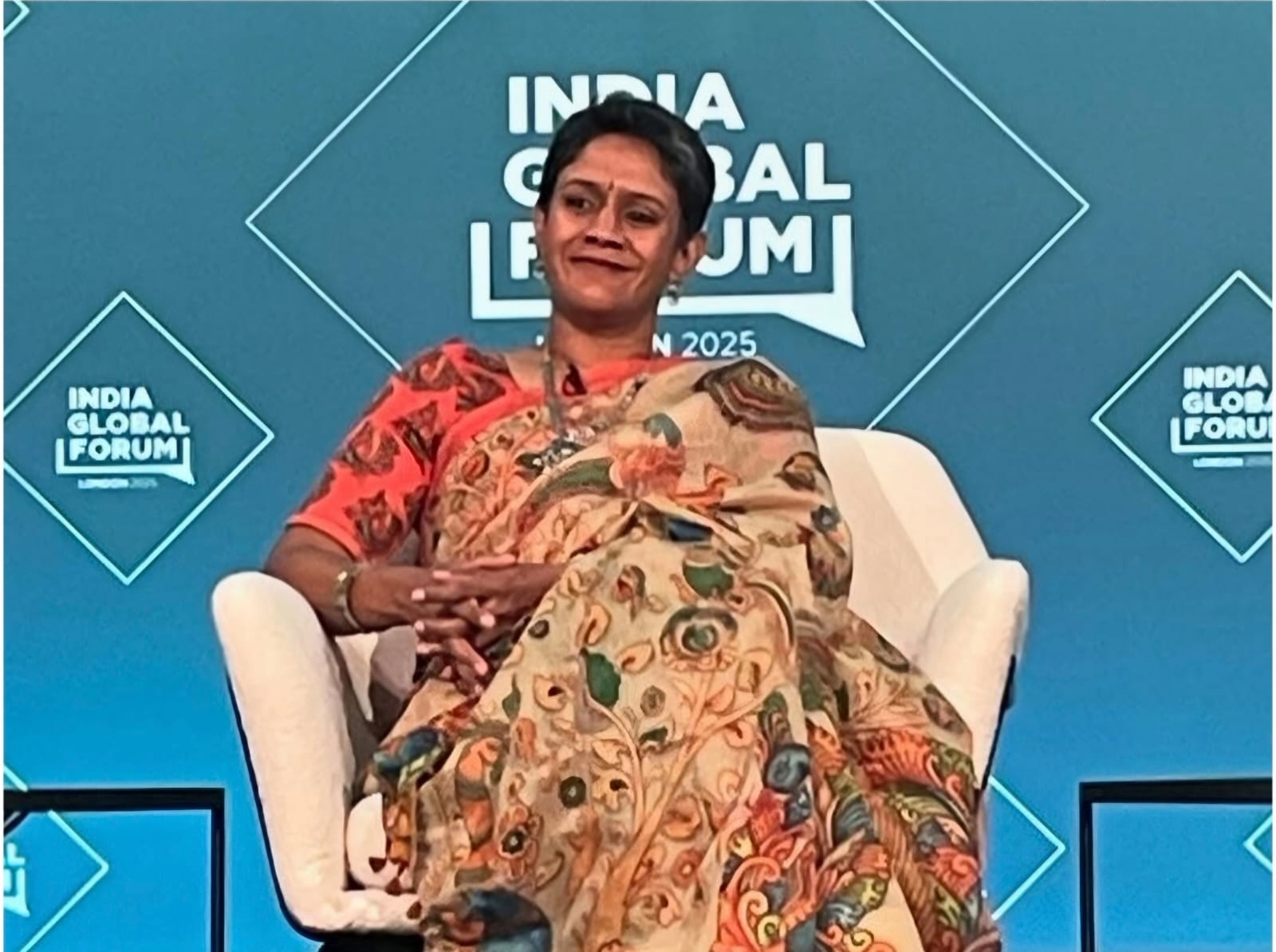
A finalist at the IGF Archer-Amish Awards for Storytelling, 2025, Nitya Neelakantan is an L&D Coach, author, and yoga teacher from Bangalore. Her debut novel, Rudrabaan is available to read on Kindle. She has another title slated to be published soon by Rupa Publications.
Nitya graduated with a degree in Hotel Management before moving into the learning space. But, having indulged in writing poems since a young age, she felt compelled to tell grander stories on larger platforms. And so began her days of writing novels.
When not working, reading, or teaching yoga Nitya enjoys travelling with her husband, son, and two furry dog-babies.

Comments