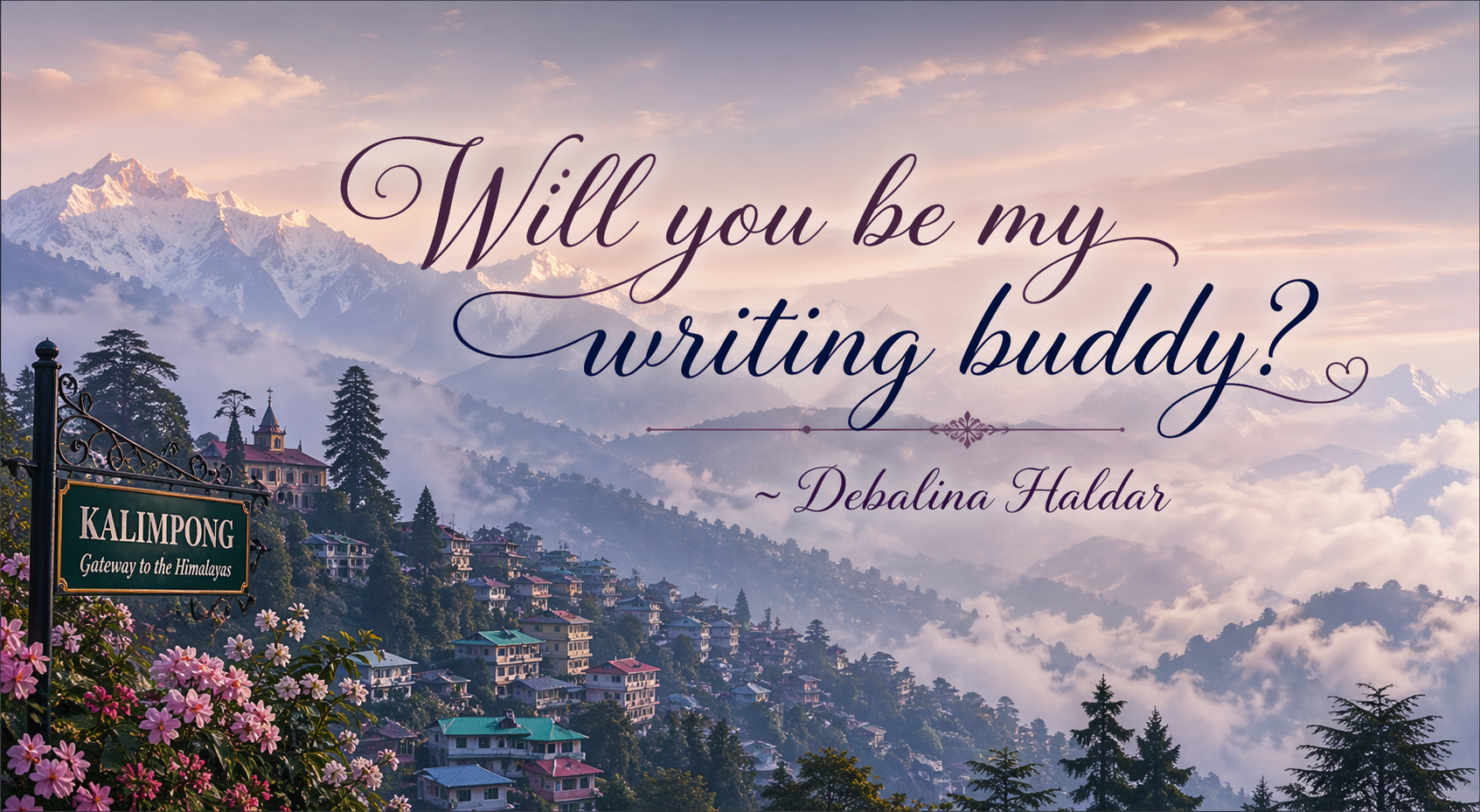
Reading Towards a Novel
Kalimpong Part 3
Fiction is a beautiful thing. In an anxious, fast-moving, AI-shaped world, it becomes even more necessary. It opens the mind… this rare, irreplaceable part of us, even as everything else begins to feel automated and ordinary. Good fiction allows us to think, to imagine, to create. The joy it offers is unlike most other experiences. Perhaps that is why being a writer still matters.
As I worked through this novel, I found myself reading across genres—fiction and non-fiction, stories from the hills, stories of war, migration, loss. I returned to books I had once read and set aside. Together, they helped me understand the history and social structures of the places I was writing about… Tibet in particular. Through them, I learned about Buddhist rituals, cultural practices, belief systems, and the more intimate textures of lived experience… friendship, betrayal, survival in a world torn apart.

The research was not only geopolitical. It became deeply psychological… an exploration of grief, love, memory, and how lives fracture and continue in their aftermath.
While reading and writing at the same time, I began to notice how fiction allows us to move beyond the boundaries of the human. The landscape itself can be given a presence, a way of knowing. I was drawn to this idea… to the quiet act of making the impersonal, sentient. I came upon the term for a power literary tool—anthropomorphism, and it felt familiar. As a child, I had written autobiographies of abandoned houses, old temples, roads, and trees. Returning to that instinct felt natural.
Reading Elif Shafak, with her fig tree that speaks, her water that travels—only sharpened this inclination. It reminded me how objects, when given voice, can hold memory in ways that feel both imagined and true.
In this novel, the clouds are alive. They listen and carry the residue of thought. I was fascinated by the idea that words… especially those charged with emotion might alter the very structure of water. Reading about the work of Dr. Masaru Emoto, with his observations of how water crystals change form in response to words like “I love you,” intrigued me… How under kindness, they align into patterns of symmetry. Under harshness, they fragment.
I began to wonder: if water responds, does it also remember?
Across the novel, as the characters move through love, loss, violence, and silence, the clouds… formed of these droplets… listen and bear witness. They transform into fog, mist, rain, and dew, carrying fragments of what was felt and said. In this way, they become more than backdrop; they become a force moving alongside the story.
Bringing together imagination, history, and a trace of science felt like a kind of discovery.
Now, 64,000 words into the first draft, I find myself more conscious of what is spoken, of what is released into the world. The smallest presence… a bead of moisture in the air, a line of sweat on the skin, a passing cloud… seems to carry something of us. And perhaps, in its own way, it remembers. That makes me wonder – Should I call this novel The Clouds Remember? What do you think?
About the Author
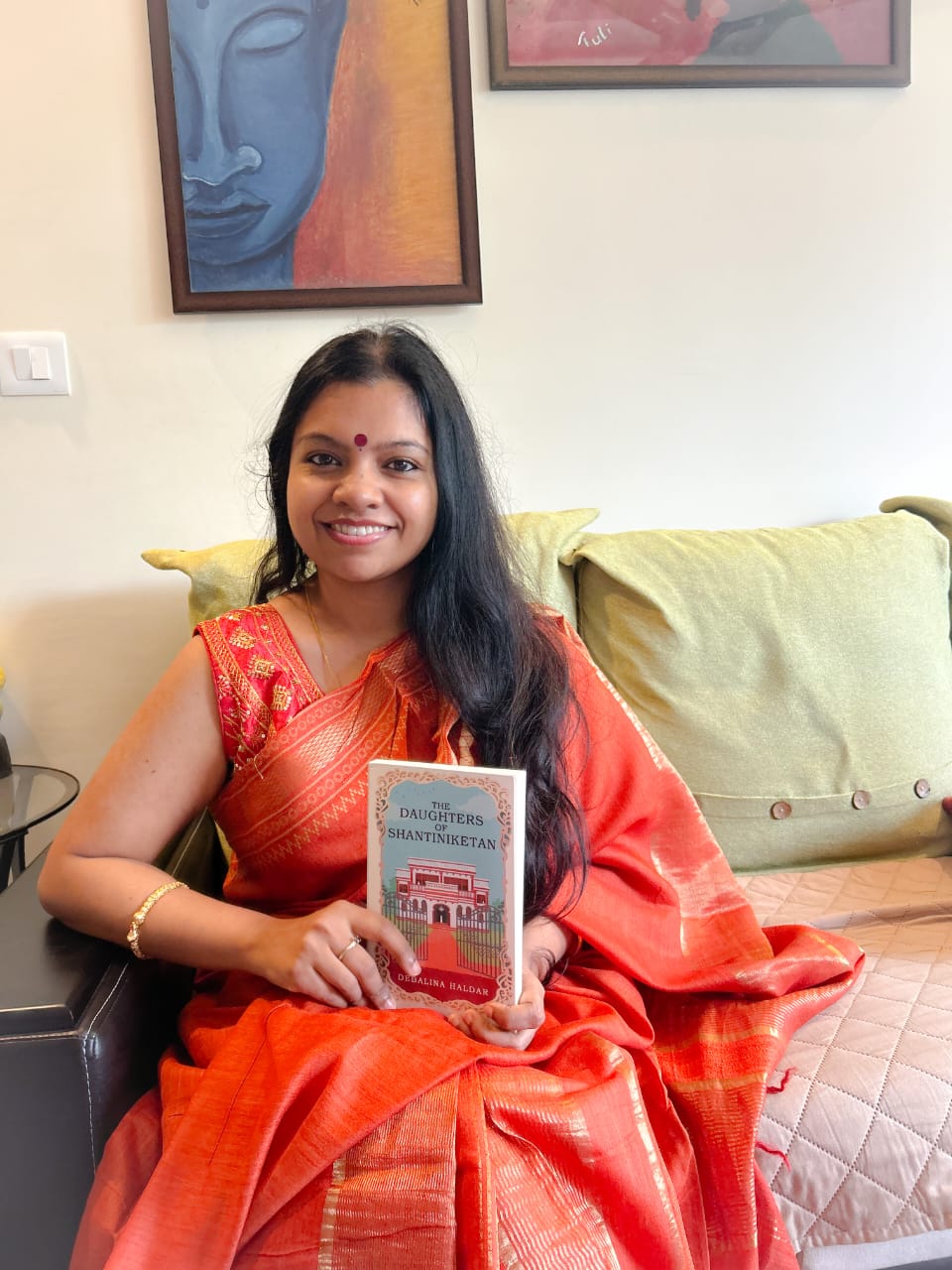
Debalina Haldar is an alumna of IIM Lucknow, class of 2015. She started writing when she was seven years old. She writes in the literary fiction genre. Her novel, The Female Ward, was published in October 2012, by Thames River Press (UK). Her second book, Wrinkles in Memory, is a collection of 22 short stories. It was published in August 2016 by Lifi Publications. Wrinkles in Memory was shortlisted for the Sahitya Akademi Yuva Puraskar for books in English in 2020 . Her novel, The Daughters of Shantiniketan, was published in August 2025 by Readomania Publishing. She is based in Bengaluru where she lives with her husband and her two children.
Get The Daughters of Shantiniketan here
Comments