
Putting on headphones and blasting rock music can make you feel like you're floating. The whole world diminishes with each beat. But this same classic and progressive rock can also help you build your life on a strong foundation. Every beat, tune, and lyric carries a life lesson beneath the music.
Here are the 5 things I learned from Classic and Progressive Rock:
- Passion Never Ages
Think of The Rolling Stones, the English rock band playing for six decades. People still scream when Mick Jagger's voice echoes in the crowd-filled stadiums. Even now, in his eighties, his voice beams with energy and captures every stage he is on. This shows that it's never about fame or money, it's about his pure love for the craft.
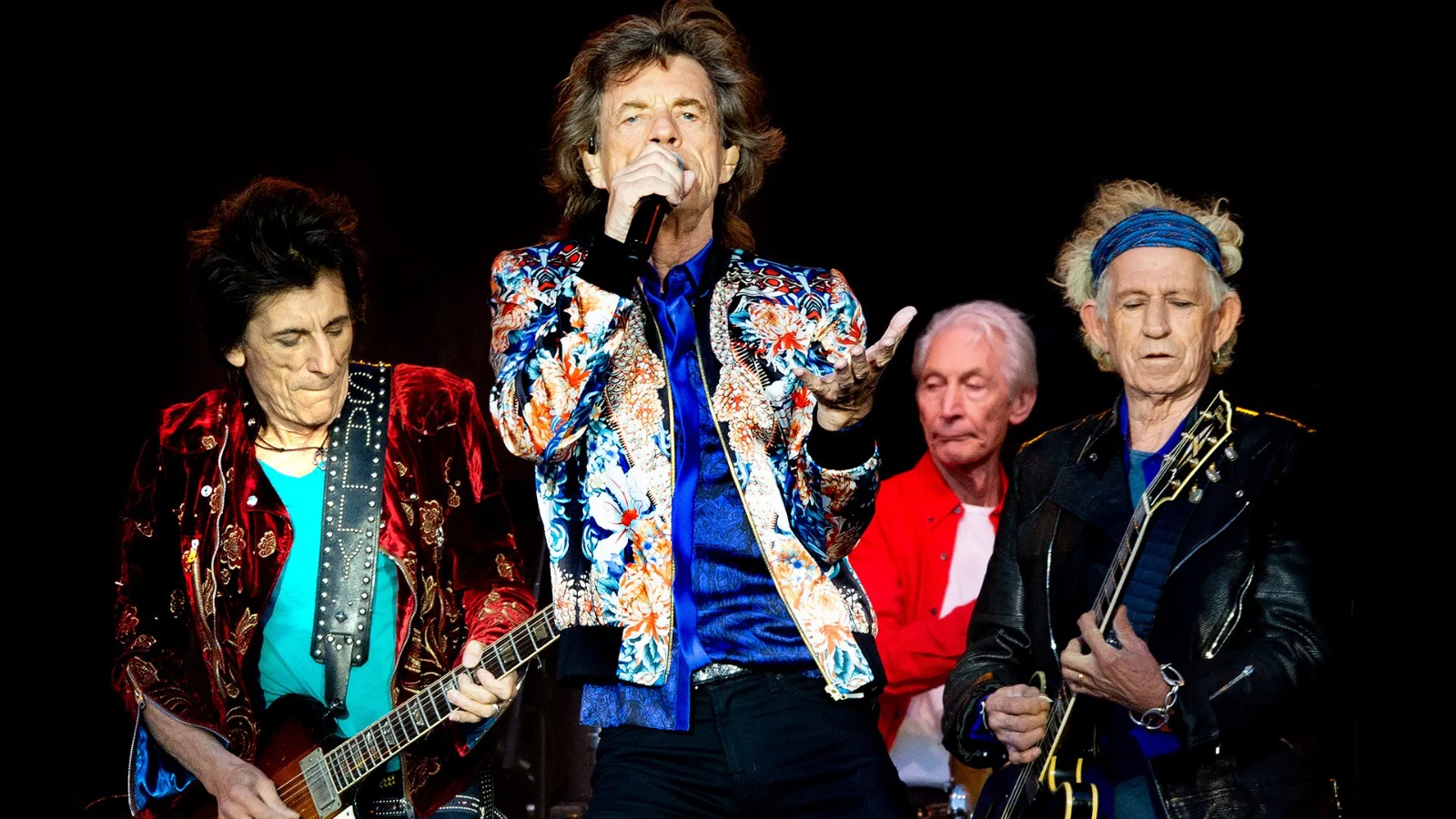
The Rolling Stones prove that age never weakens real passion; it always deepens it. Whether it’s Jagger’s gravelly voice, Keith Richards’ ever-rebellious riffs, or their refusal to slow down, they embody a truth that still matters today— if your work comes from passion, it never grows old.
- Rebellion has a purpose
In this era of muffling up the voices of the unheard and the endless Herculean task to remind the world what matters, Classic Rock stands as the pillar of rebellion.
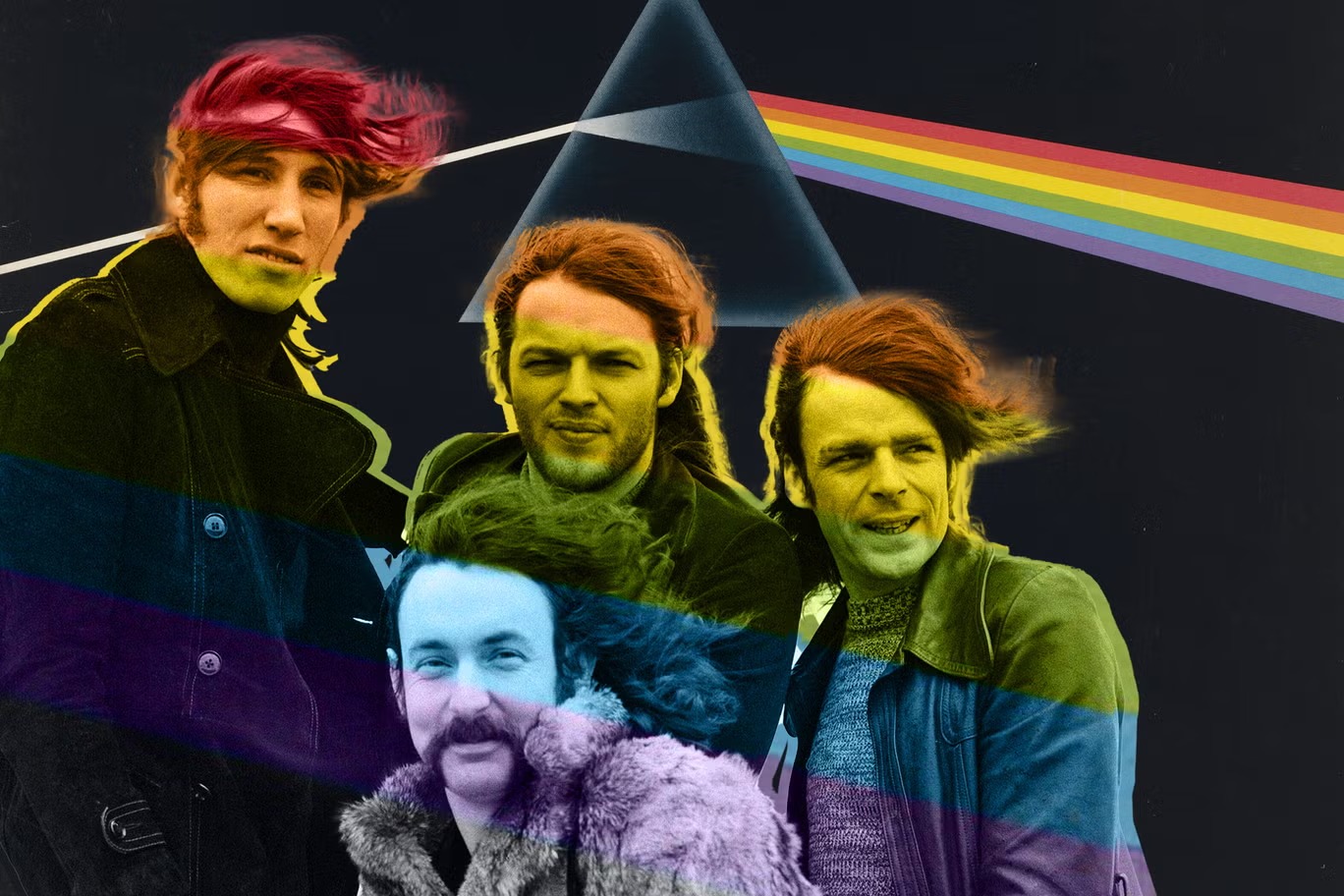
When Pink Floyd released The Wall in 1979, it wasn’t just an album—it was a protest, a mirror held up to society. The band rebelled against the rigid education system and the mechanical rhythm of modern life. Their music promises us that it is okay to question, to point out and to speak up— not chaos for the sake of noise, but resistance with meaning.
- Art Transcends Borders
Every Classic Rock lover will have at least one song from The Beatles on their playlist. Not a single day in my life passes without listening to ‘Norwegian Wood’.
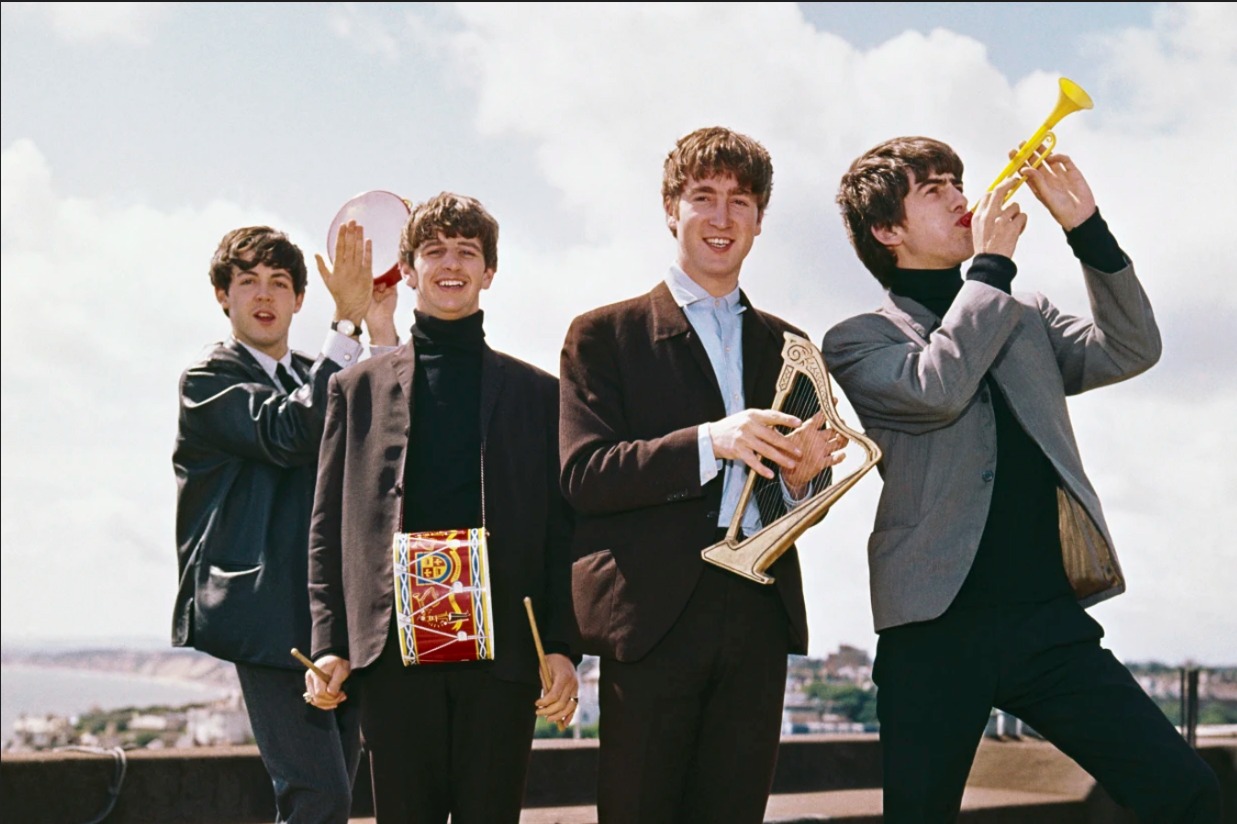
Their songs travelled from New York to India, proving that music doesn’t need translation. It also travelled through the years without losing its golden glow. In a world of division and boundaries, The Beatles remind us that art belongs to every single person, and they built a bridge that reaches the hearts before it reaches the ears.
- Vulnerability is Strength
The society warns us that being vulnerable is a sign of weakness, but John Lennon proves the opposite. Beyond the fame of The Beatles, John Lennon’s solo work, especially ‘Imagine’, showed a side of rock that was honest, raw, and deeply human. Similarly, Jethro Tull, one of the iconic Progressive Rock bands, in their albums, like Aqualung, revealed that admitting vulnerability and expressing it creatively is a form of strength.

Their openness broke the myth that rock musicians are only rebels. Both Lennon and Jethro Tull remind us that real power comes from embracing our humanity, flaws and all— It’s what makes us relatable, human, and strong.
- Creativity demands courage
Everyone believed that rock music needed to have a loud chorus, verse-verse format, and only with drum beats, but Queen broke those norms. They released ‘Bohemian Rhapsody’ in 1975 without using a repeating chorus, a six-minute-long structure blended with opera, piano ballad, and hard rock. They shook the crux of rock music. On Spotify, ‘Bohemian Rhapsody’ had approximately 2.93 billion streams.
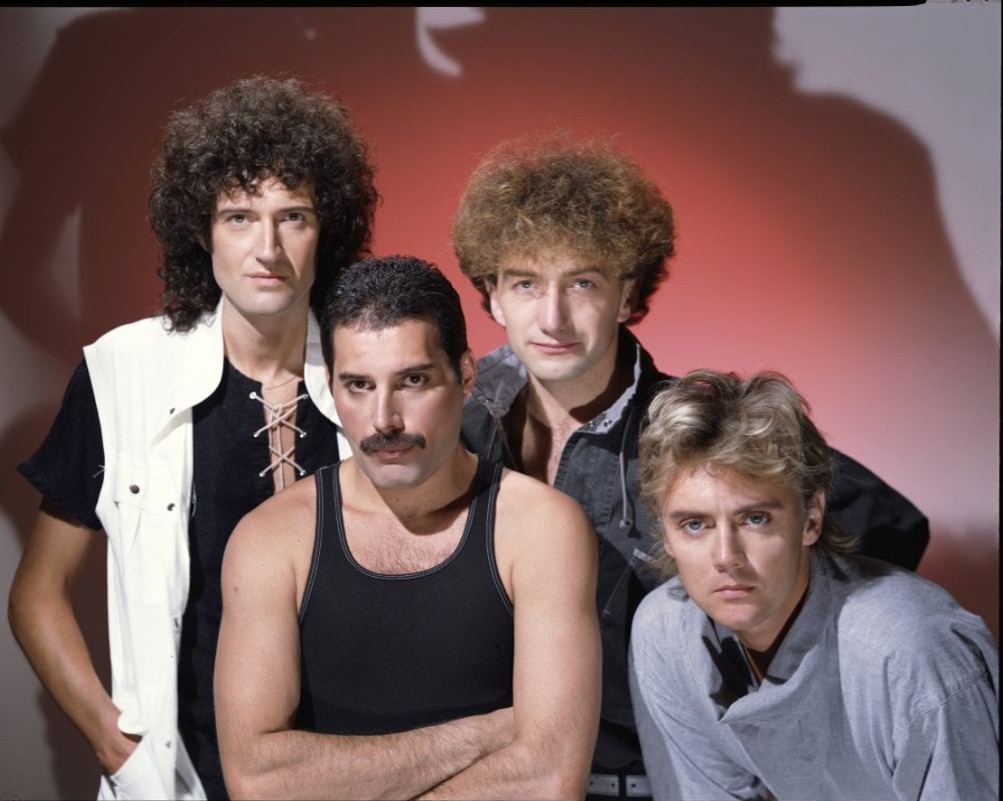
Queen teaches that innovation begins where comfort ends. It’s about daring to sound different, even when no one else understands.
Classic and Progressive rock teach us many life lessons. To discover them, look deep into the fog of vibrant beats and colours painted by the guitar strings or explore Ajay Mankotia’s book, Not Just Rock ‘n’ Roll, which offers a fresh perspective. The book delves into bands like The Rolling Stones, Deep Purple, Pink Floyd, and Jethro Tull, to name a few, showing how each shaped rock in their own unique way. Every lesson is waiting to be uncovered in its pages.
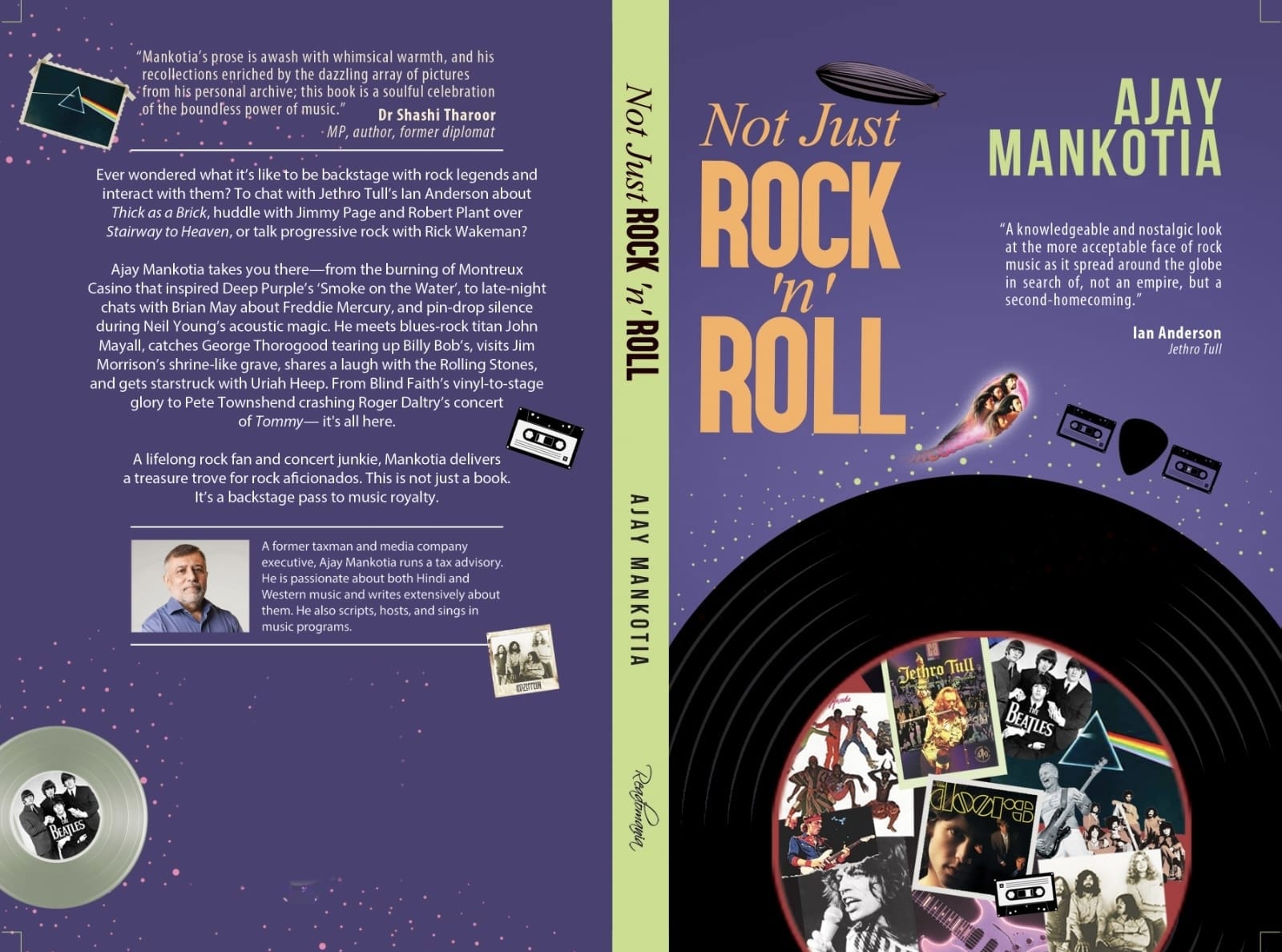
So, what is stopping you from picking up Not Just Rock ‘n’ Roll by Ajay Mankotia?
Get the book HERE

Comments