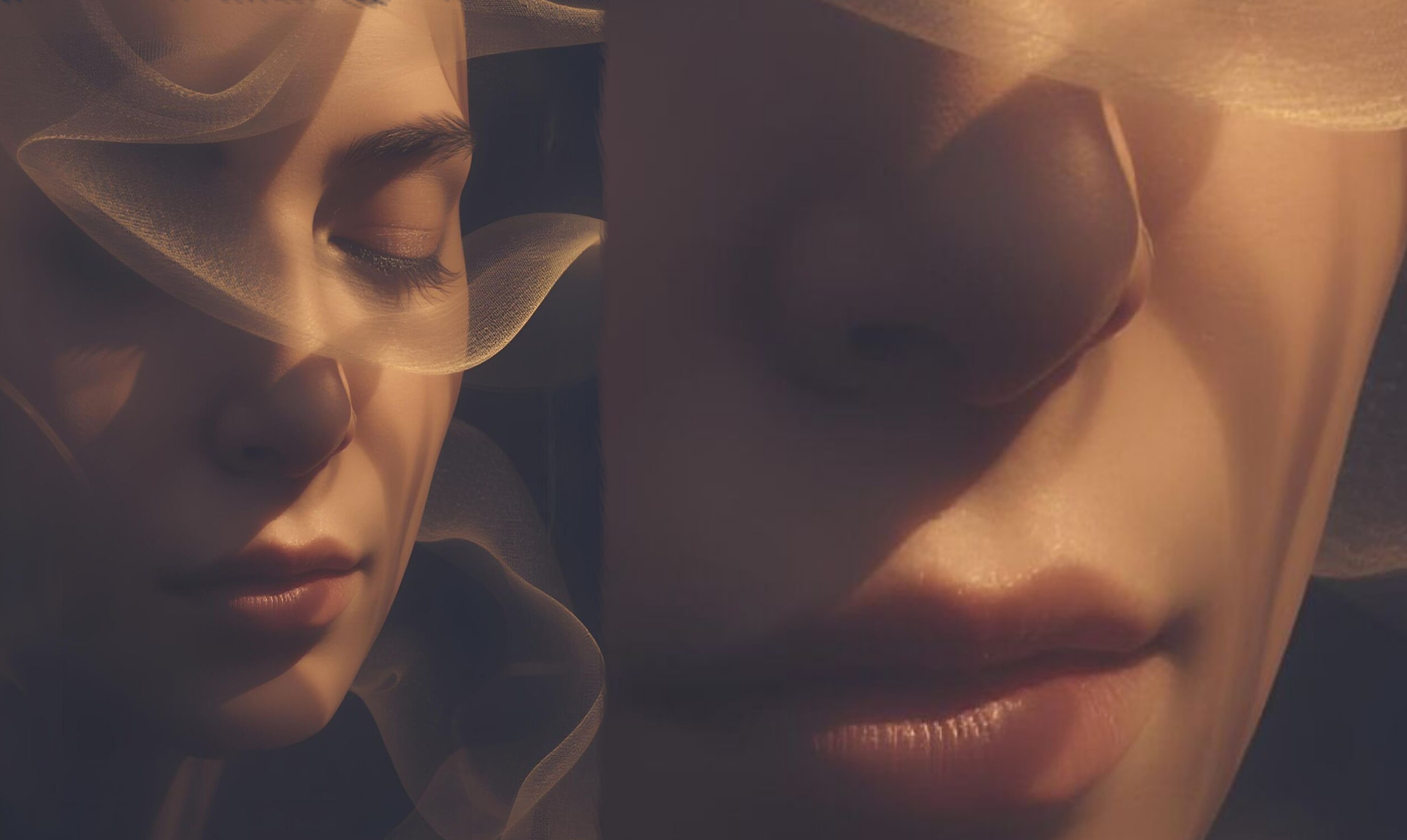
A long time ago, when I was still listening to the imprecise echoes of childhood lingering in my ears, I came across a book by Jacqueline Wilson titled Midnight. Knowing nothing about the text or its content, yet for reasons I still cannot quite fathom to this day, the book appealed to me, and I took it home. It remains one of the most remarkable pieces of literature I have ever had the privilege of reading — a commitment to the crushing aches of children; the unconventional paths that grief & personal growth often lead us on; and to the fairies & fierce braveries of imagination that embolden and empower the young as they step through unsurvivable conditions with startling compassion & grace.
I had noticed, on the very day that I picked up Midnight, that its dedication page was missing — ripped or torn, I did not know or care back then; I was only interested in the story. Several years later, after age and experience had exhumed my need for narratives written with the bruised & honest brokenness of a child, I chose to purchase Midnight again. This time, the dedication page was intact — and it said: “For Trish.”
A decade has passed since this experience, yet it has never lost the space it takes up in my psyche. The surreal specificity of it has never lessened in impact. I do not believe in signs, but I do believe that the universe possesses its own secret symmetry — and I believe that it did the best it could for me through this event: because it sent me my own self. It sent me something in which I could see my own spirit.
My own book of poetry — this labor of love, loneliness and limitless pursuit of light — would not have been possible without this incident. This book, too, is something I (and the universe) gave to myself — the greatest grace that I have so far been capable of gifting. To any creator, writer, or individual in search of their own identity who may be reading this right at this very moment, I want you to know that the first life your art and articulation will save is your own.
Through my words, I wanted to create a space where my silences can speak for themselves. I wanted my wounds to walk on their own two feet; I wanted my scars to sing with the salt of their sincerity. And I wanted this to reach the revenants moving through this world, trying to hold on to their humanity. I wanted my poetry to be a place of refuge — a sitting place for starlings and for those whose sufferings are soothed by the sight of them.
I wanted my history of hurt, hope, and hunger to help more than just myself — I wanted to communicate the care with which I contact the world, and with which the world contacts me. I wanted to create more compassion with the emotions I chose to curate and craft into poetry. I wanted tenderness — for myself, for the readers I hope to reach — I wanted the touch of a higher hand of gentleness. I wanted my heart to reach what haunts the chinks of vulnerability in the chests of those around me. I wanted it all, and I will never apologize for it.
I would also like to share this written space with the (very human, very fallible & yet fully loved) saint who is partly responsible for my survival and success: a poet named Mary Oliver, who passed away a few years ago — leaving behind a legitimate palace of solace, humility, stunning dignity, and largeness of soul.
These are words that have helped me hold my own complexity — and I hope they can do the same for you, reading this: whoever you are or might become; whatever myth you may be trying to unlearn in order to transform into your true self.
“Look, and look again.
This world is not just a little thrill for the eyes.
It’s more than bones.
It’s more than the delicate wrist with its personal pulse.
It’s more than the beating of the single heart.
It’s praising.
It’s giving until the giving feels like receiving.
You have a life — just imagine that!
You have this day, and maybe another, & maybe still another.”
(from ‘To Begin With, The Sweet Grass’, shared here with deep gratitude.)
In the end, I would like to share this: since the completion of this book, I have gone on to become a teacher — and I now safeguard the silent imaginations of children, the cores of creation within them that need nothing more than the sacred act of witness to flourish and flow into forms I can admire & learn from with the utmost respect. If I am able to continue writing today (which is one of my greatest comforts), it is in large part because of the luminosity I see in my students – who are stories in motion, in service to their own struggles, happiness, and heartbreaks, and who still manage to make space for others, showing maturity even when it isn't expected of them. What I am trying to say is that the creator in me calls out to the creator in anyone I am fortunate enough to interact with — and I hope this collection calls out to the creator in you as well.
I will choose to conclude this with lines spoken by someone else, though I still know they belong to me —as they belong to anyone trying to bear up against the brittle weight of existence and to forge their own beginning. I offer them to you now, unknown stranger at the other end of this screen: I wish you the sweetness & soft strength required to temper your sadness. I wish you warmth, and the wild certainty of your own creativity. I wish you the full weight of these words — I promise you, they are worth bearing:
“Sometimes you don't survive whole, you just survive in part. But the grandeur of life is that attempt. It's not about that solution. It is about being as fearless as one can, and behaving as beautifully as one can, under completely impossible circumstances.”
(from an interview with Toni Morrison, shared here with deep gratitude.)
About the Author
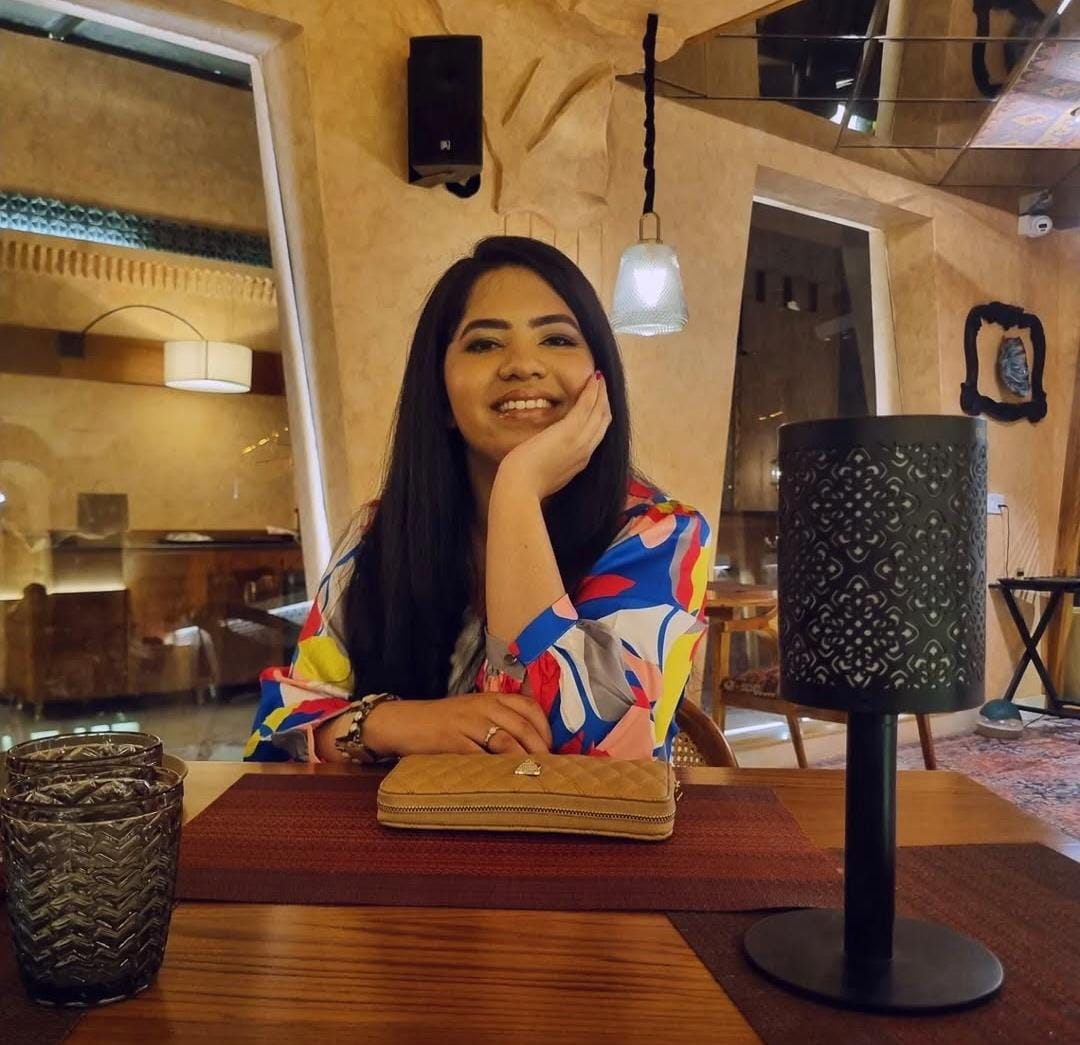
Trishala Niranjana Vardhan has lived in the lap of language for as long as she can remember. She is a poet who believes in precious little save the gravity of grief, love, and memory. Words (and the silences that serve and surround them) have always been her way of life.

Comments