
The First Yes: Inside the Emotional Journey of a Debut Author
Every debut begins long before the contract.
It begins with a whisper.
In India, where dinner table debates are dramatic, train journeys are story vaults, and every family carries three generations of unresolved subplots, stories don’t arrive politely. They nudge, tug, and insist.
And somewhere in that chaos, a writer thinks: What if this is a book?
Where Did the Idea Come From?
Rarely from a thunderbolt.
Sometimes it is a memory that refuses to fade.
Sometimes a news clipping.
Sometimes a heartbreak needed shape.
Sometimes anger. Sometimes longing.
The first idea often feels fragile and foolish. “Is this even a story?” the writer wonders.
In the Indian context, ideas are often layered—personal yet political, intimate yet social. A mother-daughter argument becomes a meditation on generational change. A small-town relocation becomes a story about aspiration. A romance becomes a commentary on class.
The writer does not sit down thinking of markets or publishers. They sit down because something inside will not let them rest.
The first draft is usually written in stolen hours—before office, after dinner, during lunch breaks, while children nap. It is messy, emotional, and inconsistent. It is written not with strategy but with urgency.
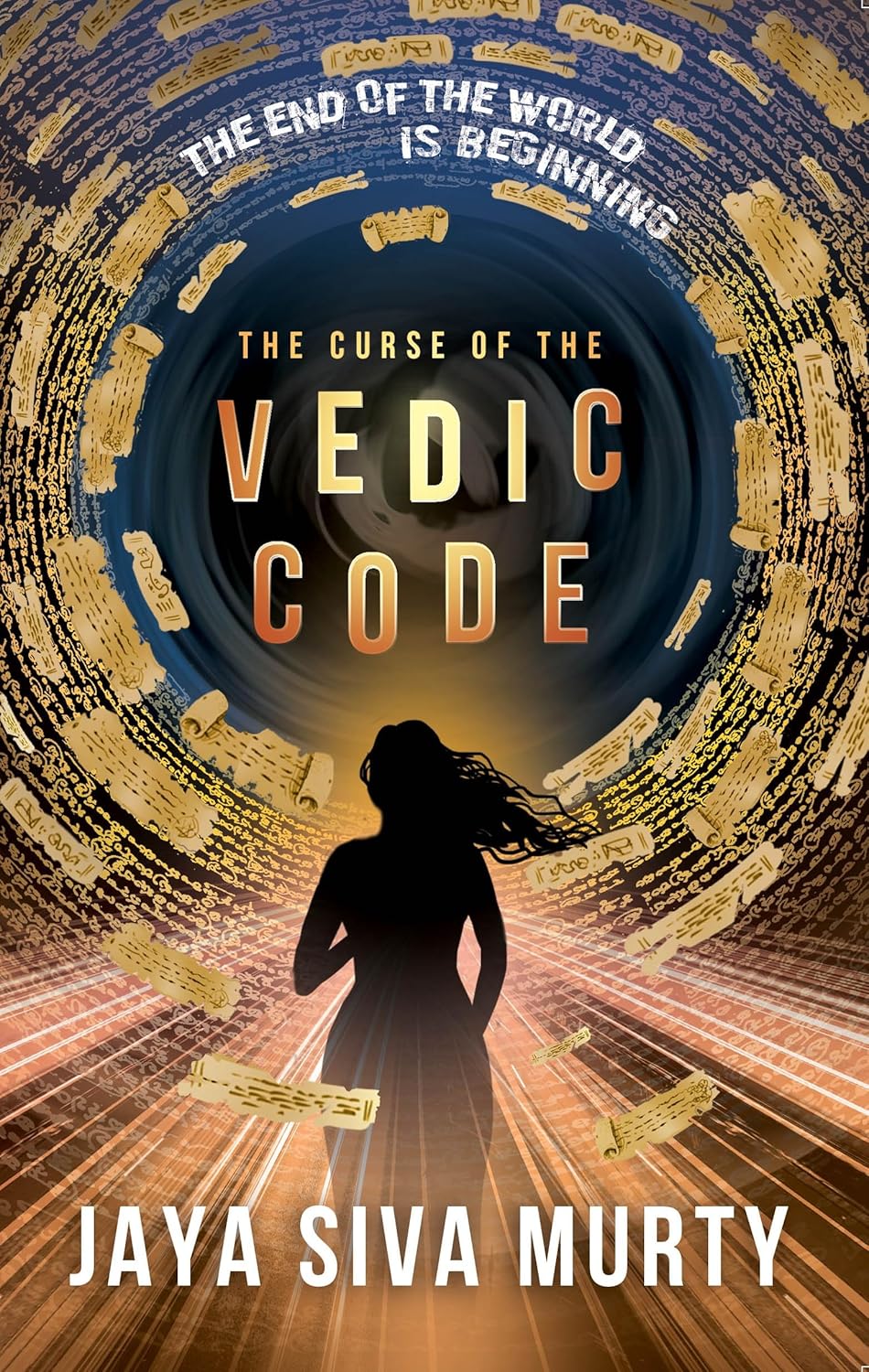
For Jaya Siva Murty, author of The Secret of the Vedic Code, what began as a fleeting thought over a cup of coffee slowly transformed into a full-fledged thriller, reminding her that ideas often arrive unannounced, asking only to be trusted.
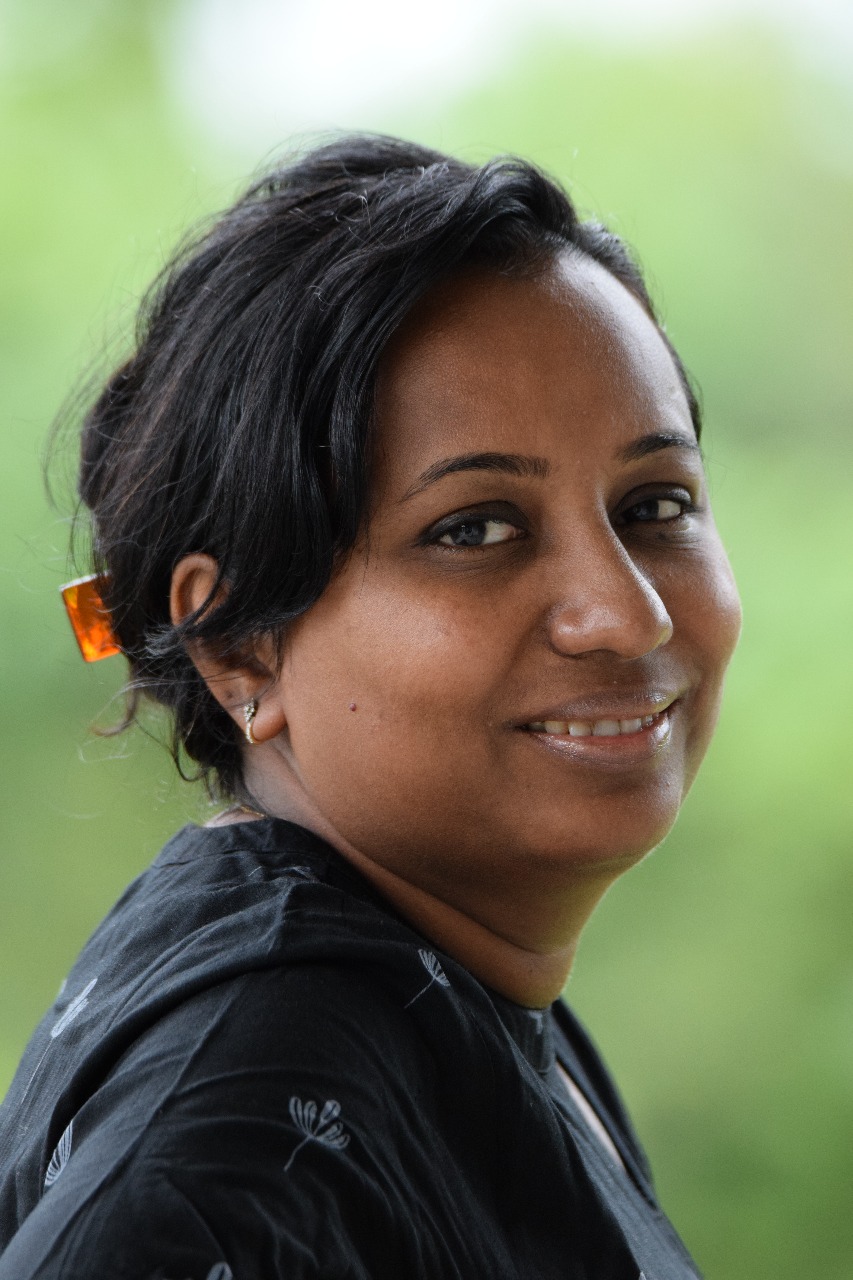
For Monisha Raman, author of The Highlands of Yore, the story arrived gently during a writer’s retreat in Goa between the early morning walks, conversations with strangers, and quiet confessions to a mentor. What began as fragments slowly shaped itself into a vision, though hesitation lingered long after the idea had taken root.

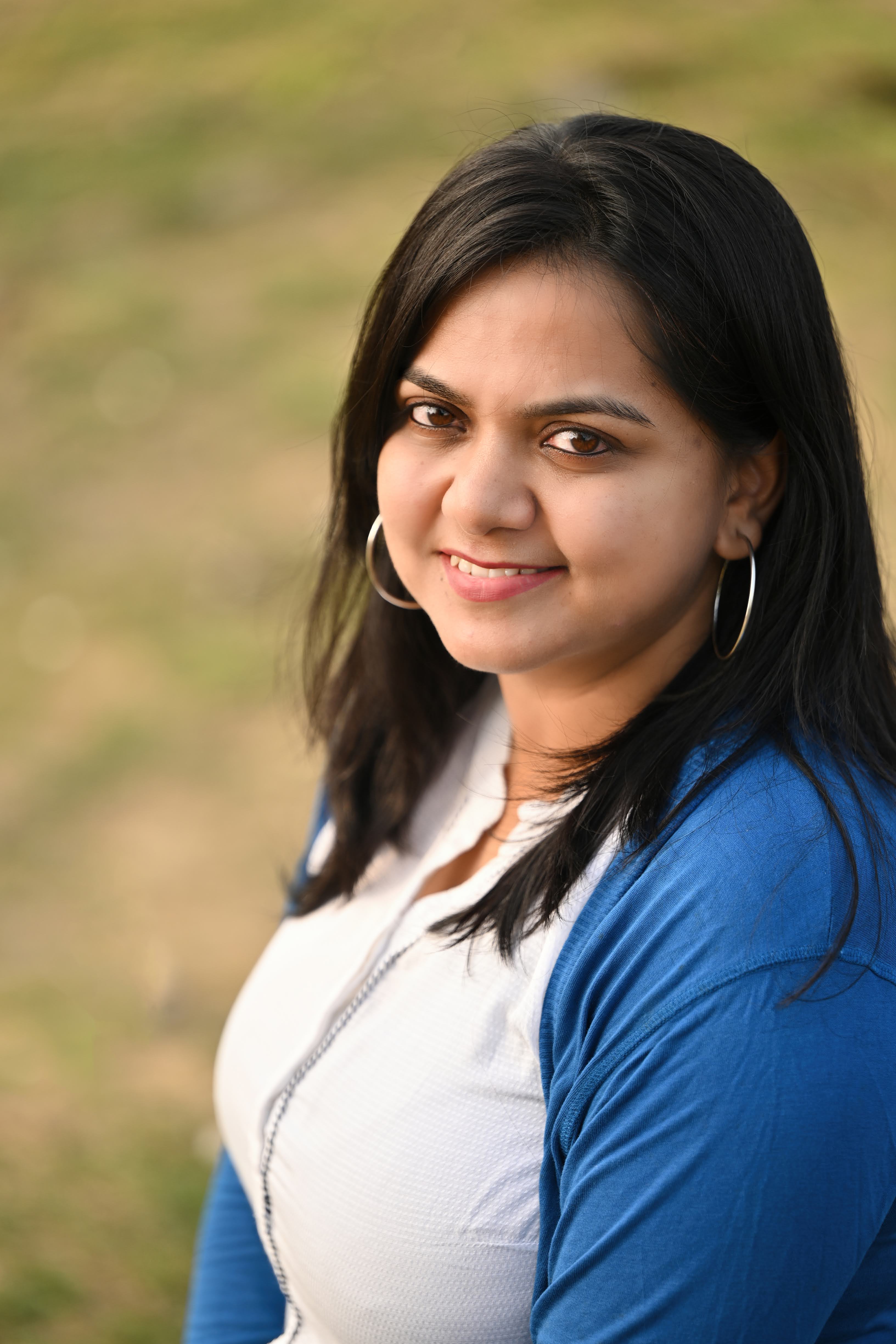
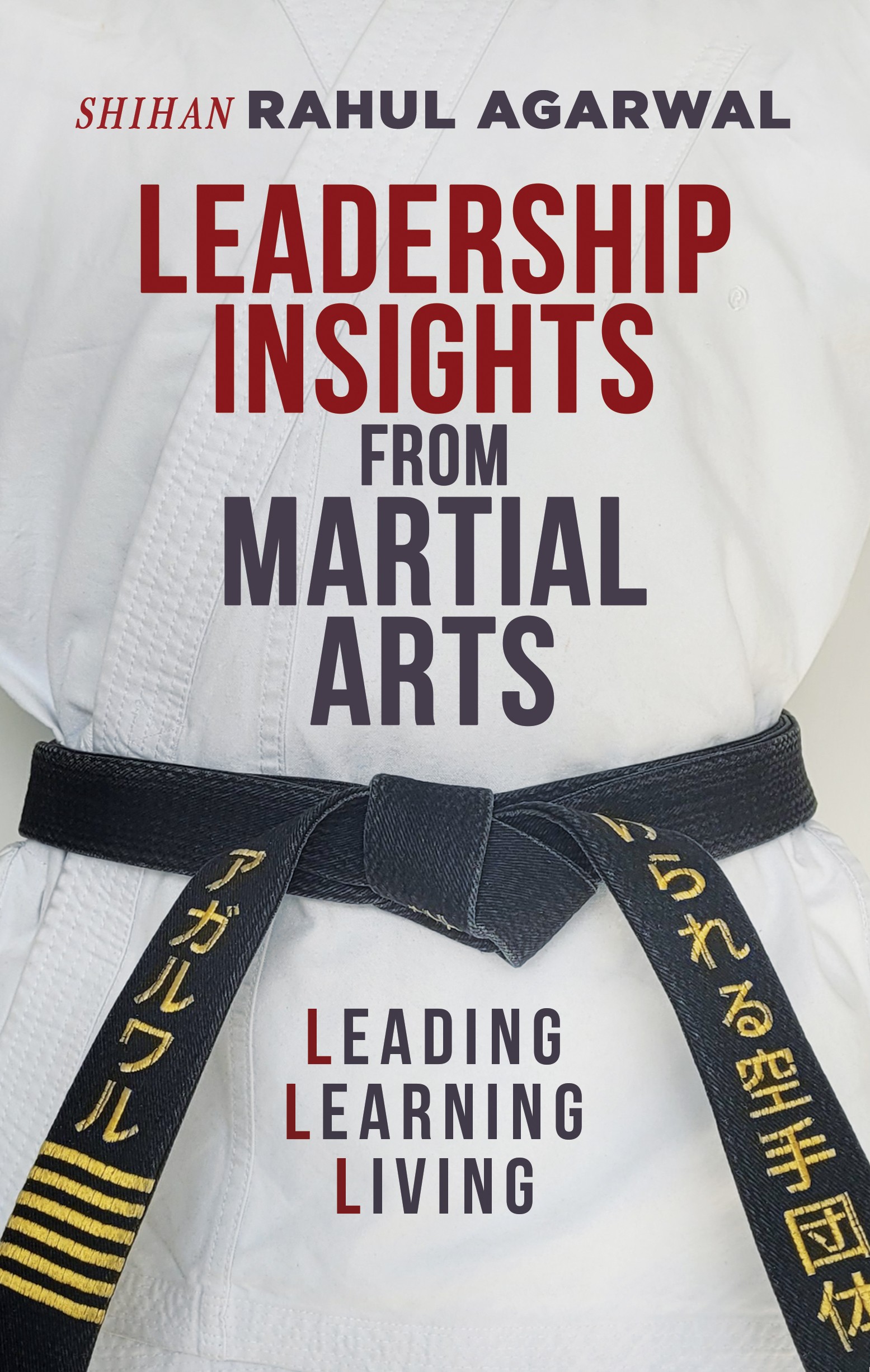
For Shihan Rahul Agarwal, author of Leadership Insights of Martial Arts, scattered reflections from decades of martial arts practice and leadership slowly gathered shape. Writing was not linear, ideas hovered, waited, demanded discipline before finding form.

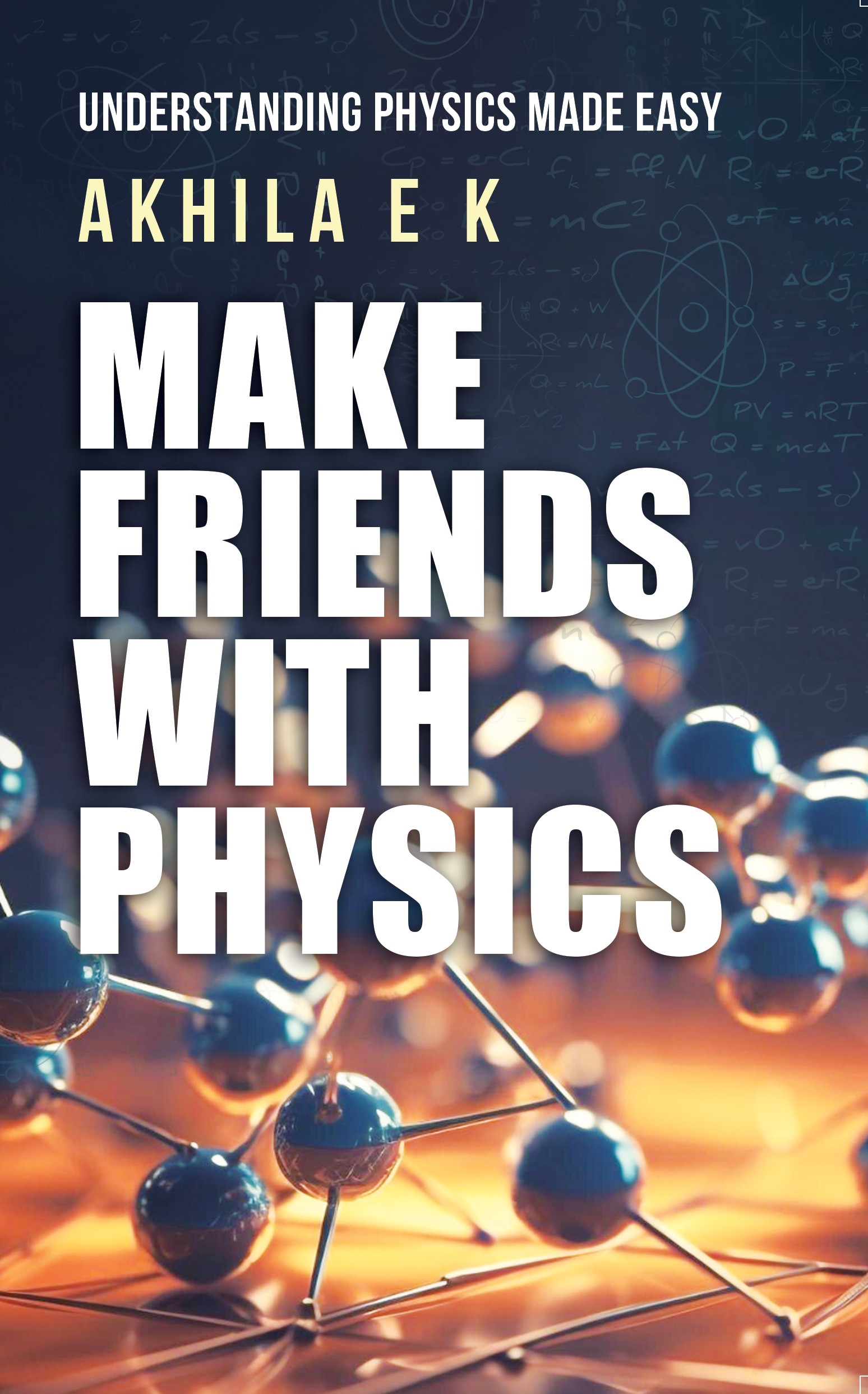
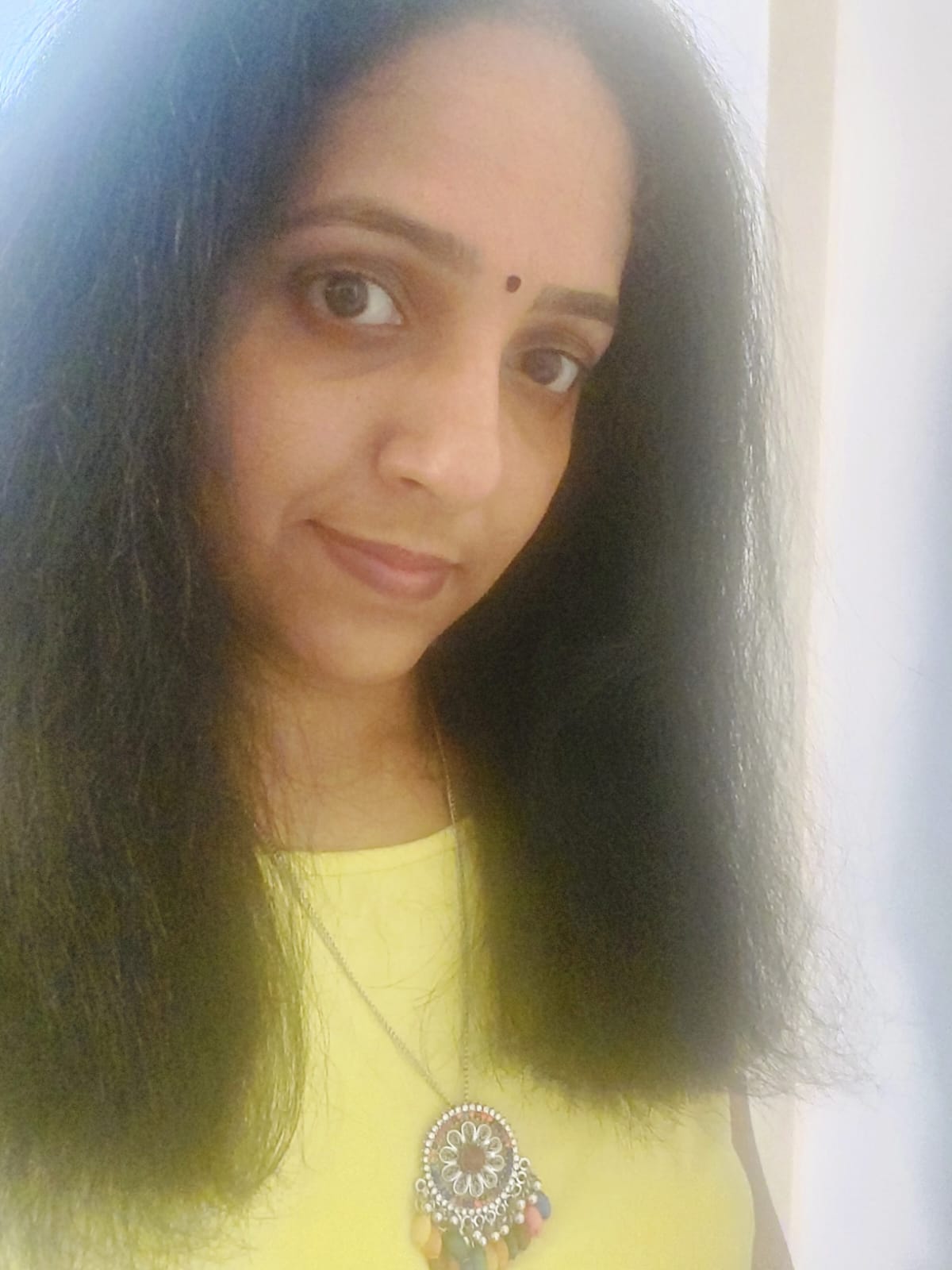
For Akhila E K, author of Make Friends with Physics, the beginning was not inspiration but unease, a growing discomfort with accumulated information and unexamined assumptions. The book emerged not from sudden clarity, but from years of questioning, relearning, and reshaping perception.
That first draft is not meant to impress anyone.
It is meant to exist.
And once it exists, there is no going back.
Am I Good Enough?
The moment the draft is complete, doubt enters like an uninvited relative.
In a country where shelves proudly display names like Arundhati Roy, Chetan Bhagat and Jhumpa Lahiri, comparison is almost inevitable.
“Who am I to add to this?”
The manuscript that once felt powerful now feels inadequate. Every sentence is scrutinised. Every cliché glow in neon. The writer oscillates between pride and embarrassment.
For Monisha Raman, the years between drafting and publication became a reckoning. Near misses in publishing, interest from agents that did not materialise into contracts, and rounds of revisions tested her resilience. Doubt and fragile hope coexisted, forcing her to confront grief and uncertainty alongside creative ambition.
Akhila E K describes the long process of questioning everything she had once accepted as knowledge. Writing demanded that she dismantle assumptions and begin again, a process that was as psychologically demanding as it was intellectually rigorous.
Yet, this self-doubt is also proof of growth. The writer is no longer just expressing, they are evaluating.
The First Readers: Trust Falls and Tough Love
Before publishers, before editors, there are beta readers.
Friends. Spouses. Siblings. Writing group peers. That one brutally honest colleague.
Handing over the manuscript feels like exposing a diary. There is terror in pressing ‘Send’.
For Jaya Siva Murty, the manuscript once came dangerously close to being just another unfinished draft, buried in forgotten folders. It was the faith of her beta readers and her writing community that kept the book alive, reminding her that while writing may be solitary, making a book truly takes a village. The book, she realised, was not merely a window into her imagination but a door, opening unexpected conversations, connections, and opportunities.
Sometimes feedback stings. Sometimes it saves the book.
Learning to accept suggestions without collapsing or becoming defensive is one of the earliest emotional tests of debut.
Writing the Concept Note: Turning Emotion into Structure
At some point, passion must translate into clarity.
The concept note forces the writer to step back from emotion and articulate the story’s spine. What is this book about, really? Who will care? Why now?
For many debut Indian authors, this stage feels oddly clinical.
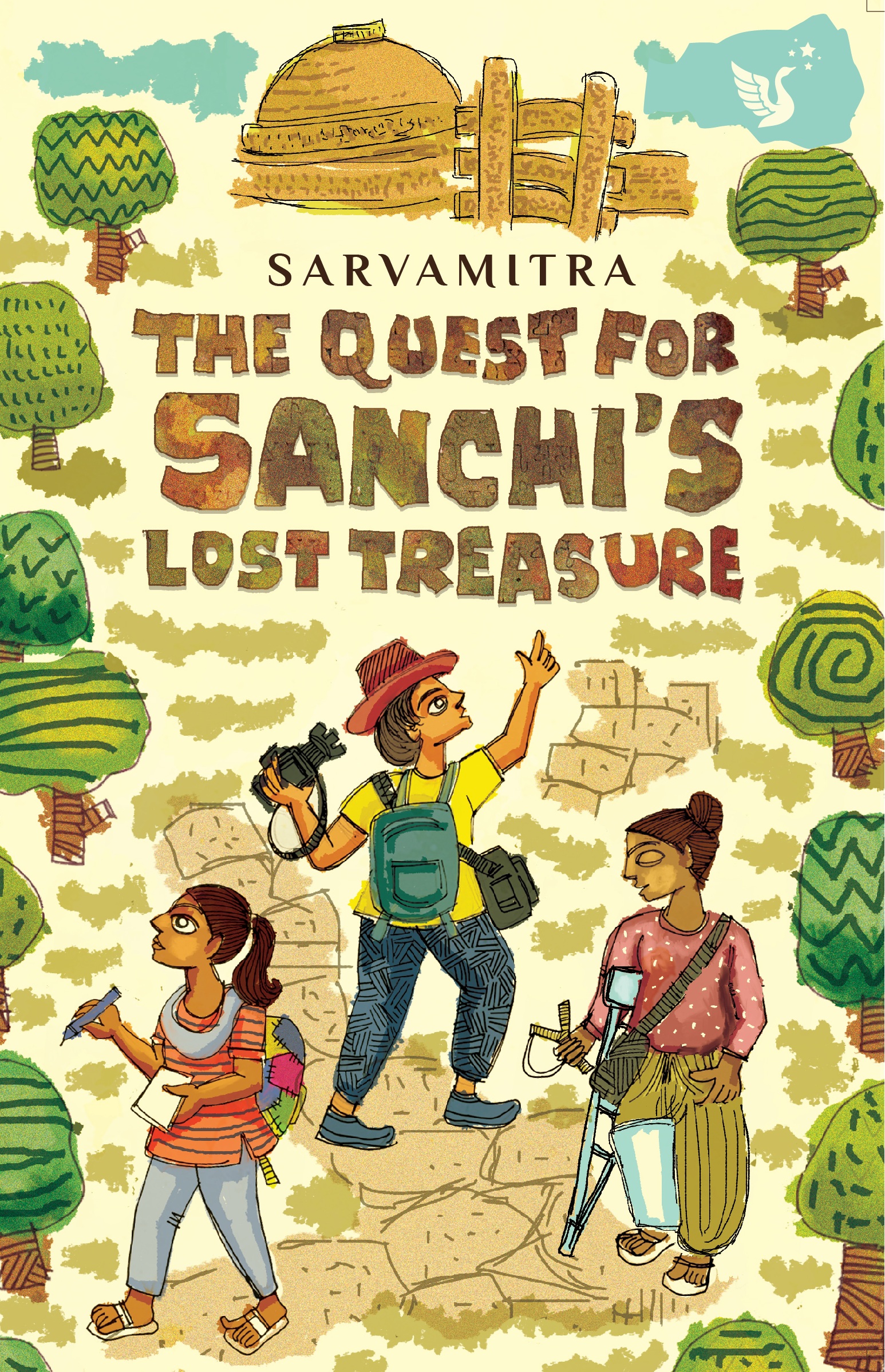
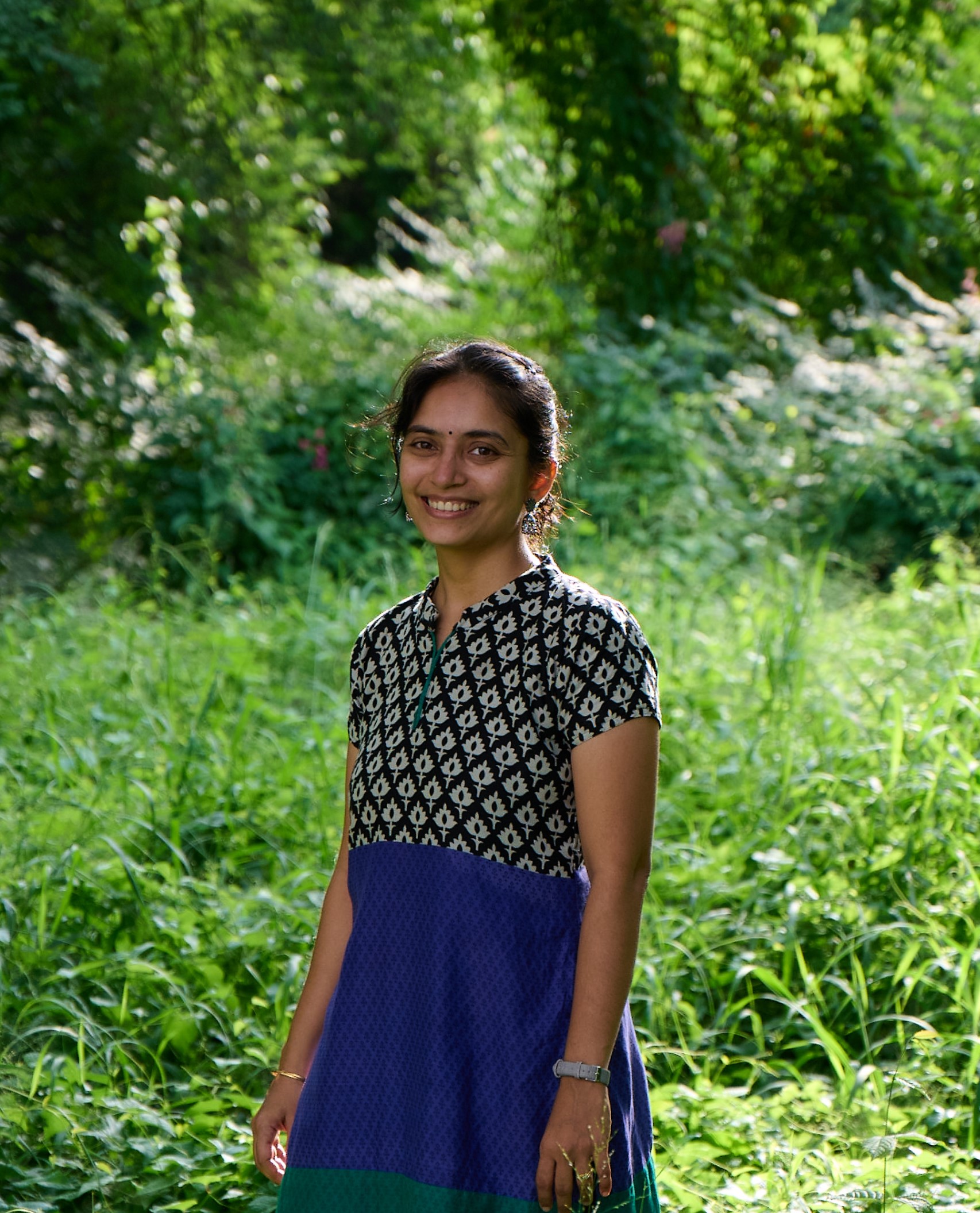
For Sarvamitra, whose novel Quest for Sanchi’s Lost Treasure evolved significantly from its original form, even shedding its first title, the process of refining the manuscript required stepping back and preserving its emotional core while reshaping its structure.
For Monisha, the years that followed after her the idea bloomed in her mind were marked by devotion and disruption in equal measure. Research-filled months in her hometown gave way to six intense months of drafting, followed by lockdown, loss, and professional uncertainty. The manuscript grew alongside personal upheaval, demanding care, patience, and repeated acts of faith.
The Pitch and the Waiting
Submission is an act of vulnerability.
The email is drafted carefully. Attachments triple-checked. Then sent into the void.
Waiting is emotionally exhausting.
For Sarvamitra, anticipation quietly took over her days after the publisher expressed interest, every email notification becoming a moment of suspended hope.
For Monisha Raman, years of waiting followed drafting. Interest from agents, editorial rounds, and near-misses stretched the emotional endurance required of a debut author.
For Akhila E K, finding the right publishing house felt essential, and only then would her whole journey gain momentum.
Rejections arrive gently worded but deeply felt.
Rejection, in India’s competitive English-language market, is common. But emotionally, it never becomes easy.
The Yes: A Soft Explosion
And then—acceptance.
An email that begins, “We are delighted…”
For Sarvamitra, seeing her book placed on the shelves of Higginbothams marked a moment that felt both public and deeply personal, a recognition that validated years of effort.
For Shihan Rahul Agarwal, the acceptance of his manuscript felt like edging closer to a long-held dream. When his book was later launched by his mother, the moment transcended literary success and became deeply familial.
For Jaya Siva Murty, watching readers engage with her work and find meaning in its pages deepened the joy of holding her first book.
It is not just, “Your book works.”
It is, “You are allowed to be this.”
Letting Go of the Creative Baby
If writing the first draft is childbirth, editing is parenting.
Tracked changes can feel invasive.
For Sarvamitra, working with her editor Indrani Ganguly, became transformative. Cultural nuances were sharpened, overlooked details refined, and the manuscript strengthened in ways she had not anticipated.
Monisha Raman speaks of her manuscript being handled with sensitivity and astute attention to detail, guided with tenderness through complex revisions. The editor’s presence became not corrective but collaborative.
Shihan Rahul Agarwal likened the editorial process to sparring with an invisible partner—the reader—ensuring that his lived experiences could resonate even with those unfamiliar with martial arts.
Letting go is hard.
But gradually, something shifts.
The creative baby is no longer just theirs. It is becoming ready for the world.
Setbacks, Delays, and Quiet Panic
Even after edits, anxiety lingers.
Cover discussions can be unexpectedly emotional.
For Jaya Siva Murty, seeing her story reflected vividly in its thoughtfully designed cover became an emotional milestone, yet the process of arriving there required patience and trust.
For Akhila E K, more than five years of exploration, questioning, and refinement preceded publication. The long pursuit eventually gave way to a quiet calm, but only after enduring extended uncertainty.
For Monisha Raman, lockdowns, loss, professional instability, and repeated editorial rounds intertwined with the manuscript’s growth. The book evolved alongside personal upheaval.
Self-doubt can be debilitating.
Imposter syndrome does not spare debutants. Nor veterans.
Words of reassurance at this stage can be like balm to a restless mind.
The Book in Hand
And then the parcel arrives.
For Jaya Siva Murty, holding her first book in her hands became a moment of profound disbelief and joy, deepened further by watching readers engage with it and find meaning in its pages. Her first book felt like a mirror of her own growth, shaping her as deeply as she had shaped it.
For Sarvamitra, the moment marked not an endpoint but a beginning, one made possible through constant faith and encouragement from her editor and publisher.
For Shihan Rahul Agarwal, holding the first printed copy felt like a black-belt test, surreal, grounding, and affirming.
For Akhila E K, after years of thinking, writing, doubting, and reshaping, the physical book brought contentment and an unexpected stillness, like the silence after the final note of a song. By the time the book took a physical form, the long pursuit of hers gave way to a quiet calmness.
For Monisha Raman, the debut became a metamorphosis that reshaped her consciousness and deepened her courage to dream.
Each of these debuts shows that the first book is never just a book… it is a dream come true moment, where hesitation turns to belief, crossing the bridge of courage. Behind every printed page lies a quiet partnership built on trust, patience, and faith in stories still finding their voice. At Readomania, debut authors are not rushed towards an outcome; they are walked towards becoming. And when a book finally reaches a reader’s hands, it carries more than words. It carries the courage it took to begin, the care it received along the way, and the promise of many stories yet to come.

Comments