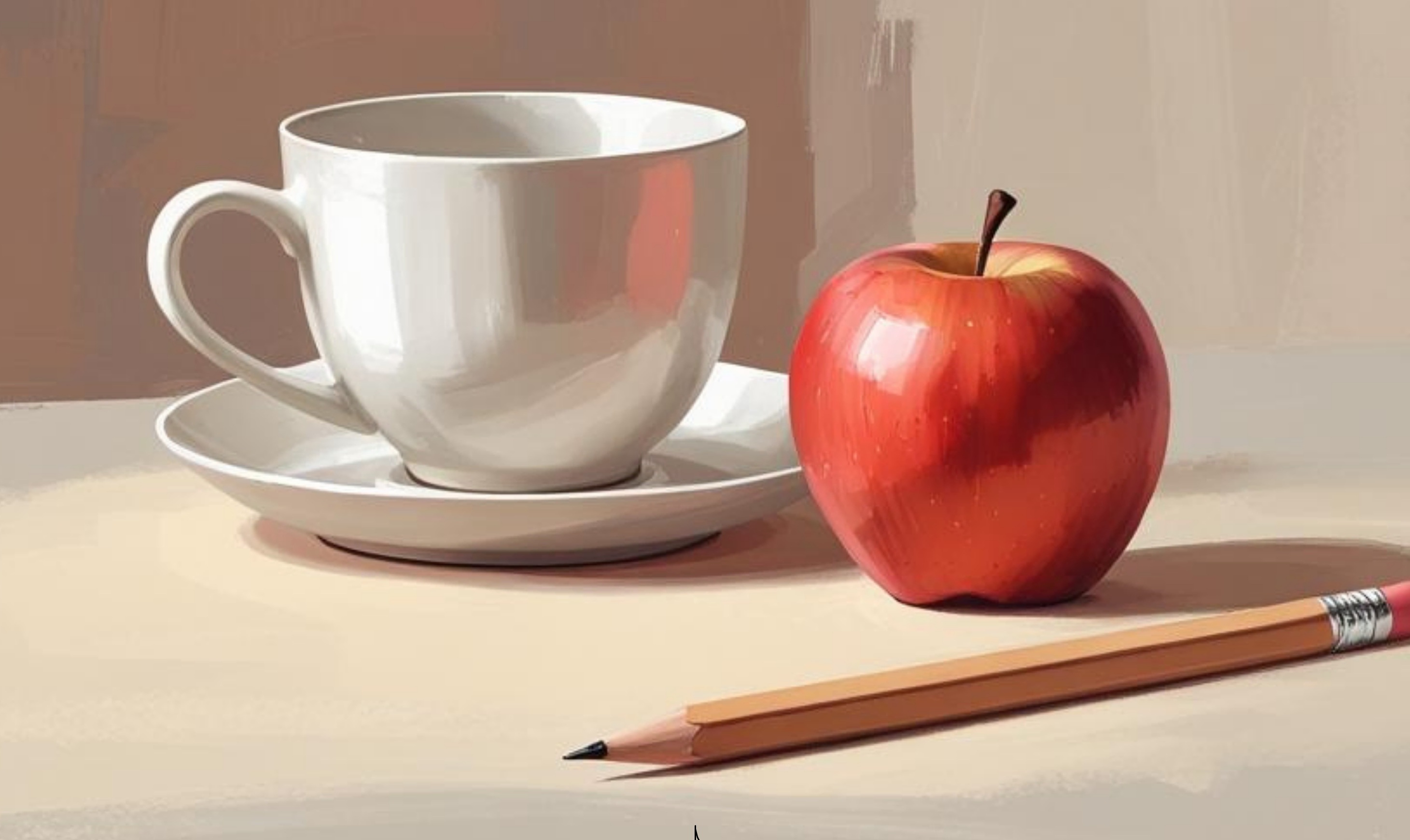
Simple is the new complex. It’s a rarity today.
Simplicity no longer draws attention, crowd, likes or compliments. What often turns heads are the layered, complex, and larger-than- life things that command comments and eyeballs. But you know what the ultimate sophistication is? According to the renowned artist Leonardo da Vinci, ‘Simplicity is the ultimate sophistication.’ Staying simple is, in fact, one of the toughest things to do.
Let’s pause and reflect on the lives we lead and the countless interfaces we interact with in a single day.
The morning alarm clock offers an overwhelming number of ringer options across various smartphone brands. Late-night WhatsApp messages grab your attention the next morning or interrupt you a million times throughout the day. It gets even worse if you are dealing with nomophobia.
Food spoils us. Menu cards were once exclusive to restaurants and hotels, but now they’re a staple in homes too! ‘Mera lal aur meri pari kya khayenge aaj’? has become a survival tactic for modern parents—and a reflection of their growing obsessiveness. While Zomato, Swiggy, home bakers, and cloud kitchens fill the gaps in food options, the household cook is left juggling between ghar ka khaana and food delivery apps.
After scanning through a sea of car showrooms and specifications—constantly torn between EV, diesel, petrol, manual, sedan, SUV, MUV and hundreds of manufacturers—one finally arrives at a decision. A car is chosen. Even relationships have shifted into situationships. People seeking love have endless options, and yet, nothing feels lasting anymore.
And then there’s the retail market: garments, cosmetics, footwear, books, stationery, feature-loaded mobile phones, and an avalanche of OTT programs—everything is thrown at us with a mere tap of a finger. It’s enough to be a topic of serious research.
For a moment, let’s pause and think about a generation that wasn’t spoiled by choice. They existed and thrived in the simplicity of being. They are the generation which laid the foundation for the progressive India we see today. Clearly, the simple generation turned out to be the best.
The reader can almost visualize the Doordarshan logo and hear its iconic background score. To me, the montage is symbolic- like an egg sheltered in a nest, waiting to grow and explore the world. The story line of the programs telecast were simple, the characters were complex but relatable. The attire was unpolished, the settings were modest, and every episode had something to teach. From Tamas, Malgudi Days, Byomkesh Bakshi, Buniyaad, Miya Nairuddin, Nukkad, Mungerilal, Wagle ki Duniya, to Circus—the productions didn’t just keep audiences hooked; they delivered substance and quality.
The music of that iconic symphony served many purposes: it was the evening alarm, movie time reminder, news time signal, dinner bell- and most importantly, a call for family members to come together. Children would stop playing outdoors and rush inside to watch the weekly Spiderman episode. Sundays were especially eventful, as grandparents and parents lit incense sticks in front of the television when Ramayan was telecast.
But over the years, this egg has become a mṛta-aṇḍa- a dead egg- much like the story of Aditi, who had abandoned her eight-year-old son because of his imperfection. He was cast off into the waters of Satisar (Kashmir valley) and left at the mercy of nature.
DD’s egg may not be quite like Aditi’s, but both witnessed a decline in appreciation. Aditi abandoned her still-golden-egg at the behest of Brahma, while the other twelve children were given respectful names and honour. By the early 2000s, DD’s soul had been misplaced. The K-series, which arrived after a lull of uninspiring programs, laid the foundation for many similar prototypes. Soon, the homely, realistic and simple storylines once telecast on DD were overtaken by wretched and vile characters—both men and women. For many years that followed, these characters appeared overdressed, caked in makeup, adorned with heavy accessories, and somehow slept in Kanjeevarams and tuxedos. How many could honestly relate to these stories and their guileful plots?
The absence of simplicity often draws us closer to it. The unstoppable woodpecker tapping in our minds is easily distracted by every new window- It forgets the present moment and jumps at the next shiny choice. To cut the cord of confusion, perhaps civilization must return to the basics.
It's no surprise that Virat Kohli has been eating the same kind of food for years. Victoria Beckham and Jennifer Aniston have also shared on social media that they eat the same meals on most days. So, is simplicity really that boring or are we yet to realize its quiet power?
Was it the simplicity of the plot that earned Panchayat and similar shows such resounding support from audiences?
Creating theatricals through phony action scenes, exaggerated violence, over-the-top sets, lavish family drawing rooms, and slapstick comedy is no longer palatable. In fact, it feels regressive. Much of what used to be fictional drama is now mirrored in our real lives—the complexity of society, ethical dilemmas, double lives, decision fatigue, and digital overwhelm. These aren’t just storylines; they’re pages from our everyday existence.
Even Google, in its simplicity, proved a point. It rebranded its landing page to a clean white background, with just the Google logo and a central search bar. Gone were the cluttered icons and chaotic design. And yet, users embraced it. Why was it liked and not criticized? Because it captured the very essence of simplicity.
Being simple doesn’t mean looking down on others or dumbing things down. Many might think Sudha Murty is overplaying her simplicity card, but ironically, the same people often admire her for it. How can a celebrated author and the driving force behind Infosys embody such restraint and contentment? Doesn’t her heart skip a beat when she sees a new saree or a piece of jewellery?
Steve Jobs, Mark Zuckerberg, and Barack Obama are fashion icons in the corporate world—albeit in simple, monochromatic attire. Their style is practical and minimalistic, yet they’ve never drawn criticism from fashion connoisseurs.
Simplicity is a form of self-discipline and care. Even complex ideas must eventually be distilled into clear, understandable teaching. Simplicity is the foundation—it demands restraint judgement, and genuine efforts. It’s not about lacking depth; it’s about elevating what truly matters. We must stop equating complexity with intelligence and instead give simplicity the powerful welcome it deserves.
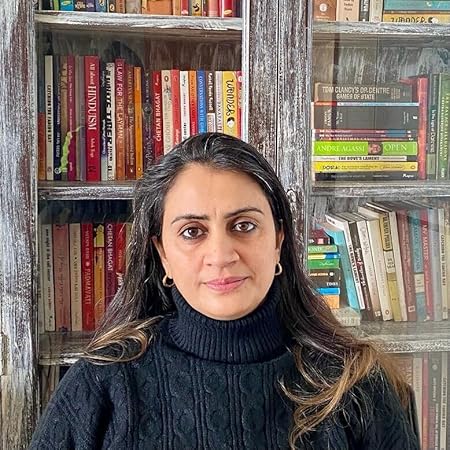
Avanti is an author, educator, and trainer, deeply rooted in the cultural history of her homeland, Kashmir.
She has written Catching The Fading Ray, The Kashmir That Was, and Ancient and Lost Temples of Kashmir, each exploring the region’s heritage and forgotten narratives.A contributor to several anthologies and platforms, she is also a fellow at The Way of Writing with Natalie Goldberg.

Comments