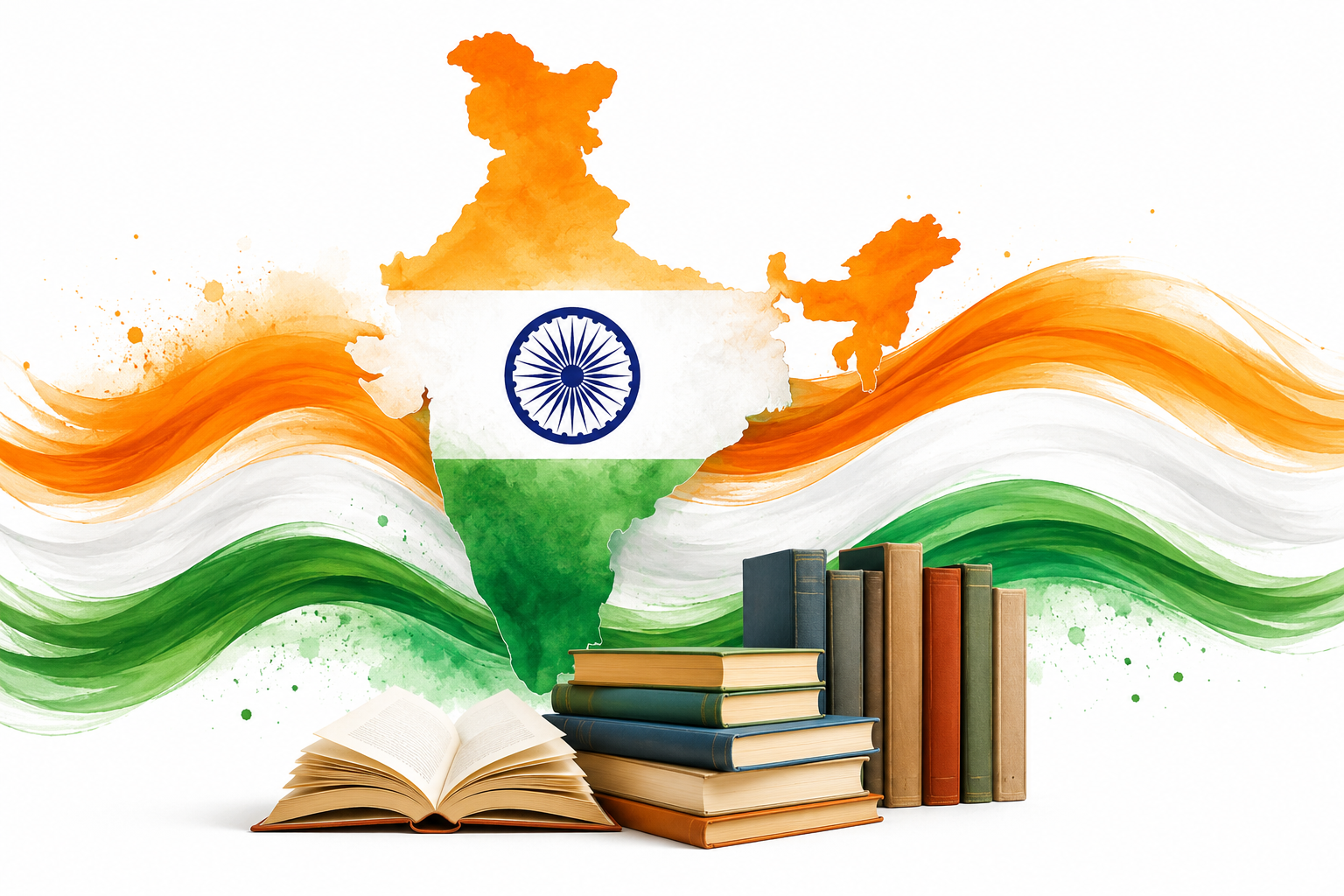
Publishing a Nation: Why Books Still Matter in the Age of Reels
This Independence Day, perhaps the most meaningful way to celebrate India is to remember that a nation is not only built by its leaders and institutions. It is also built, and remembered, through its stories.
We live in an age of extraordinary speed.
A reel lasts a few seconds. A post can travel across the country in minutes. We consume news, opinions, histories and even personal experiences in fragments, scrolling from one story to another.
And yet, every August, when the tricolour rises and the national anthem plays, we are reminded of something that cannot be compressed into a few seconds: the enormous, complicated, deeply human story of India.
India is 79 years into Independence, but the story of India is far older. It is a story of migrations and mythology, languages and faiths, food and folklore, trade and conquest, partition and reconciliation, memory and forgetting. It is a story that has never belonged to one voice.
And perhaps that is why books still matter.
Because a book does something the age of reels finds increasingly difficult to do: it stays.
A book gives an experience room to breathe. It allows a reader to sit with a character, inhabit another time, understand an unfamiliar community, question an accepted version of history, or simply remember something that might otherwise disappear.
For a publisher, this is more than an argument for the survival of print. It is an argument for why publishing itself matters.
A publishing house, in many ways, is a keeper of memory.
At Readomania, our list has always crossed genres and generations—from fiction and poetry to memoir, history, mythology, children's literature and contemporary non-fiction. Our publishing philosophy is rooted in diversity. And when we look at our books through the lens of Independence Day, something becomes clear: together, they reveal just how many Indias there are.
The India that remembers
Some histories cannot be understood through dates alone.
Partition, for instance, is often reduced to a year, a border and a staggering number of displaced people. But history becomes intimate when we encounter the people who lived through it.
Mona Verma's The River That Remembers does precisely that. Set against the turbulent backdrop of 1947, the novel follows lives caught in the violence and upheaval of Partition, bringing questions of love, faith, loyalty, betrayal and survival into the foreground. Decades later, memories that have lain dormant begin to resurface.
This is what fiction can do that a history textbook cannot. It can make us feel the weight of a decision. It can show us what a political boundary does to a family. It can remind us that behind every statistic was a human being with a home, a name, a relationship and a future that suddenly looked uncertain.
The river in the novel becomes more than geography. It becomes memory itself.
And perhaps that is one of the most important functions of books: they refuse to let memory become anonymous.

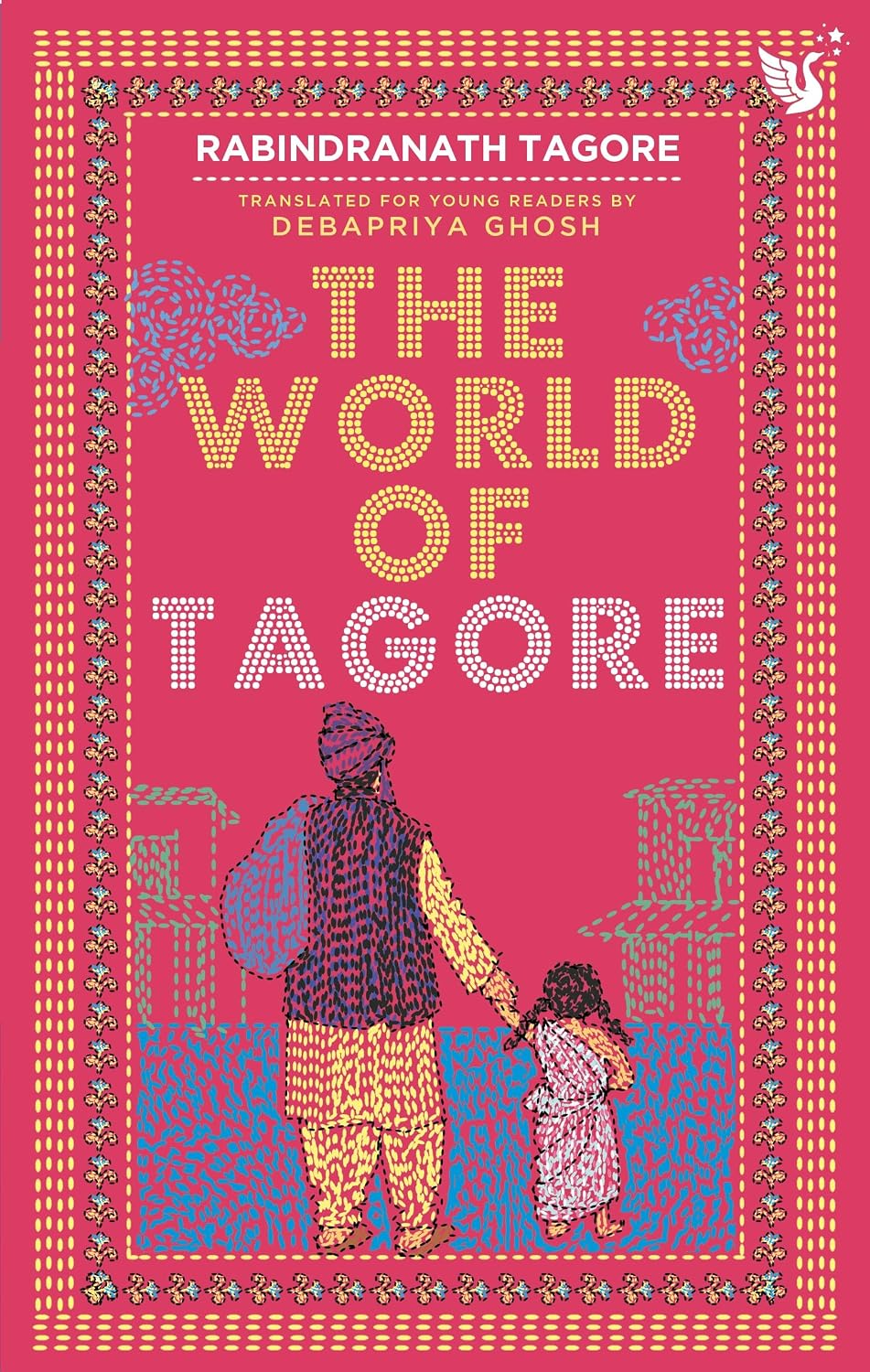
In The World of Tagore, Debapriya Ghosh brings Rabindranath Tagore's timeless stories to a new generation, reminding us of a literary heritage that helped shape India's cultural imagination. On Independence Day, preserving and reintroducing voices like Tagore's is also a way of preserving the intellectual and creative freedoms that define the nation.
The India that travels
India has always been a land of movement. People have crossed regions for work, marriage, education, trade, survival and love. Every migration carries something across the border of one place into another—language, recipes, rituals, music, habits, memories.
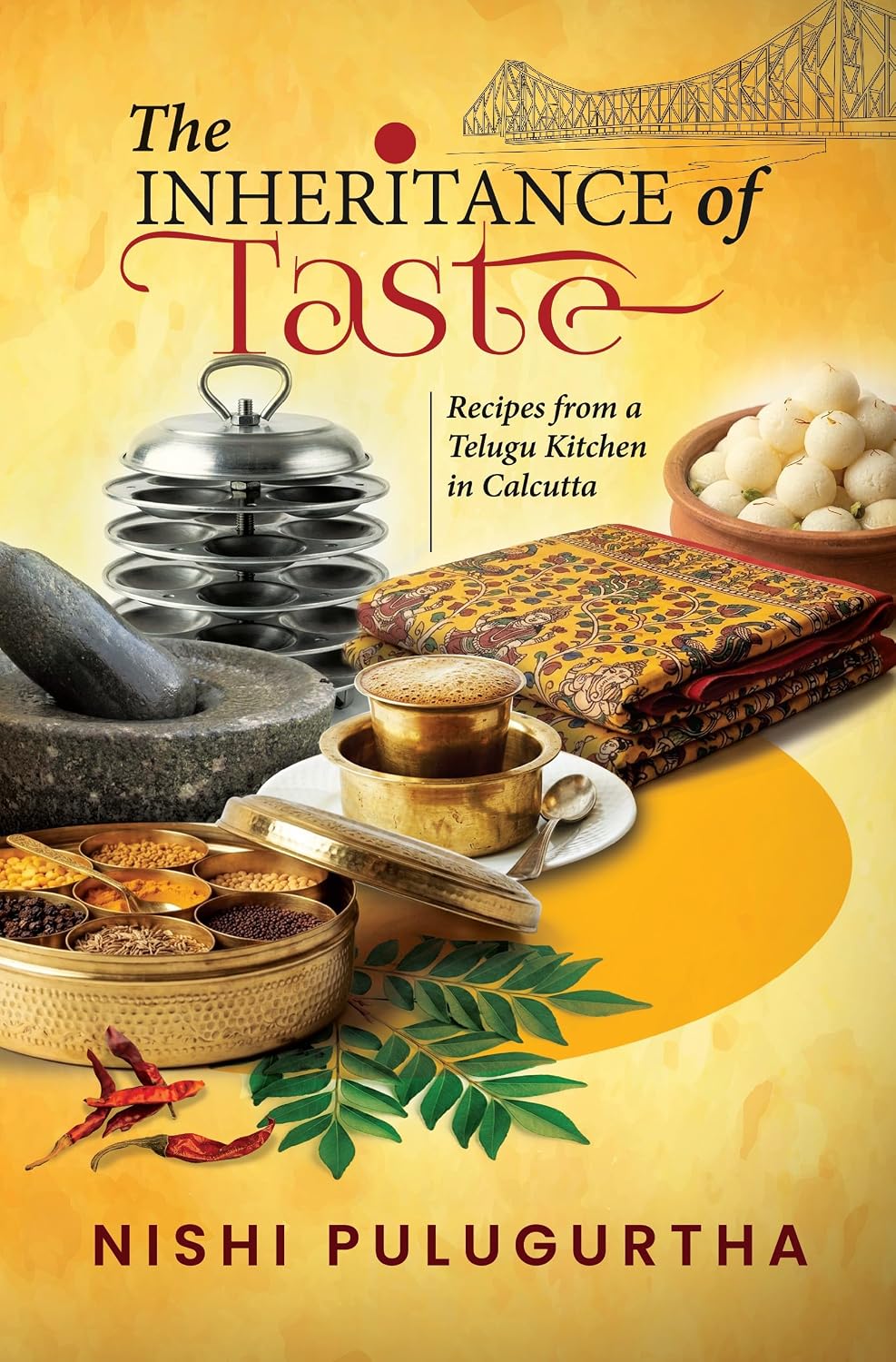
In The Inheritance of Taste, Nishi Pulugurtha tells the story of Tayaru Pulugurtha, who arrived in Calcutta from Andhra Pradesh as a young bride in 1969 without knowing how to cook. Over time, the kitchen she built became the heart of a family and a bridge between two worlds. The book is simultaneously memoir, culinary archive and cultural history.
There is something profoundly Indian about this idea of inheritance.
Sometimes history survives in monuments. Sometimes it survives in manuscripts. And sometimes it survives in a recipe handwritten on a scrap of paper, a spice measured by instinct, or a dish prepared exactly the way a mother once made it.
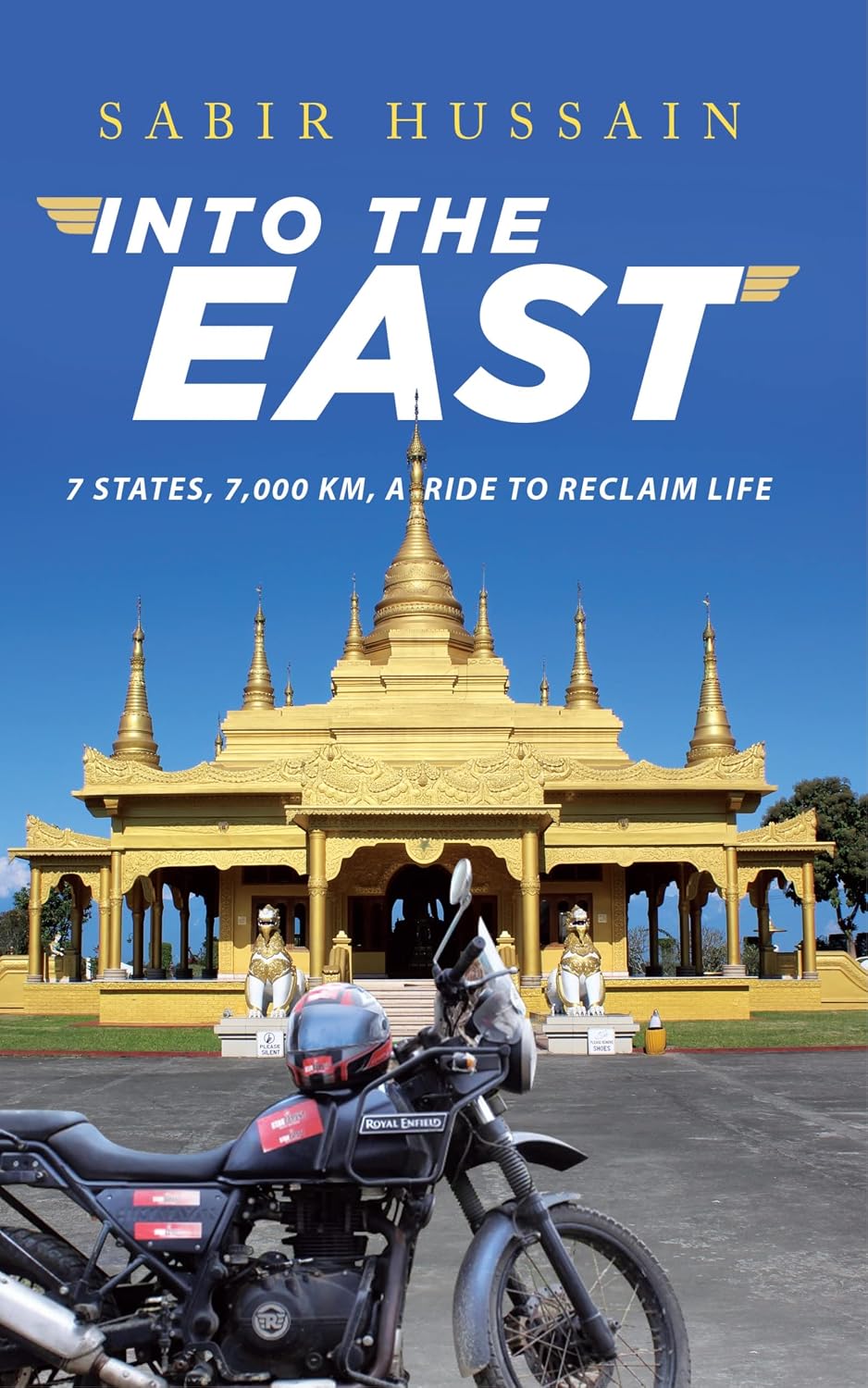
In Into the East, Sabir Hussain takes readers on a motorcycle journey that is as much about places as it is about people, cultures and experiences. Travel writing allows us to encounter India and its neighbouring landscapes through a personal lens, reminding us that a country is not merely a collection of destinations on a map.
The India beneath the layers of time
If the present is constantly changing, books also allow us to travel backwards.
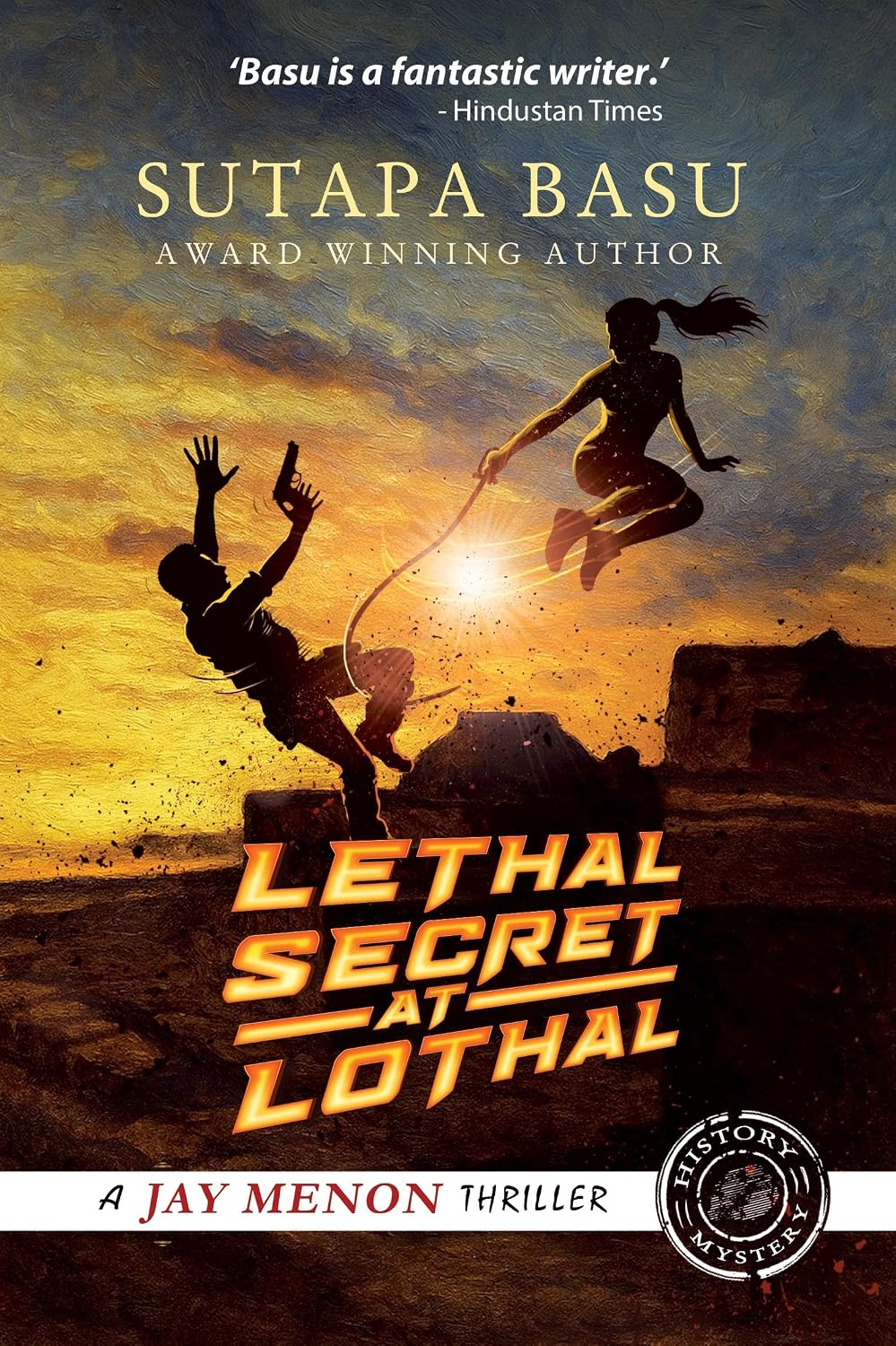
Sutapa Basu's Lethal Secret at Lothal takes readers into the world of the Indus Valley civilisation through a historical thriller built around the ancient port city of Lothal. The author's research into the site—the dockyard, its sophisticated systems of measurement, its trade and the many unanswered questions surrounding the civilisation—becomes the foundation for a story of archaeology, mystery and danger.
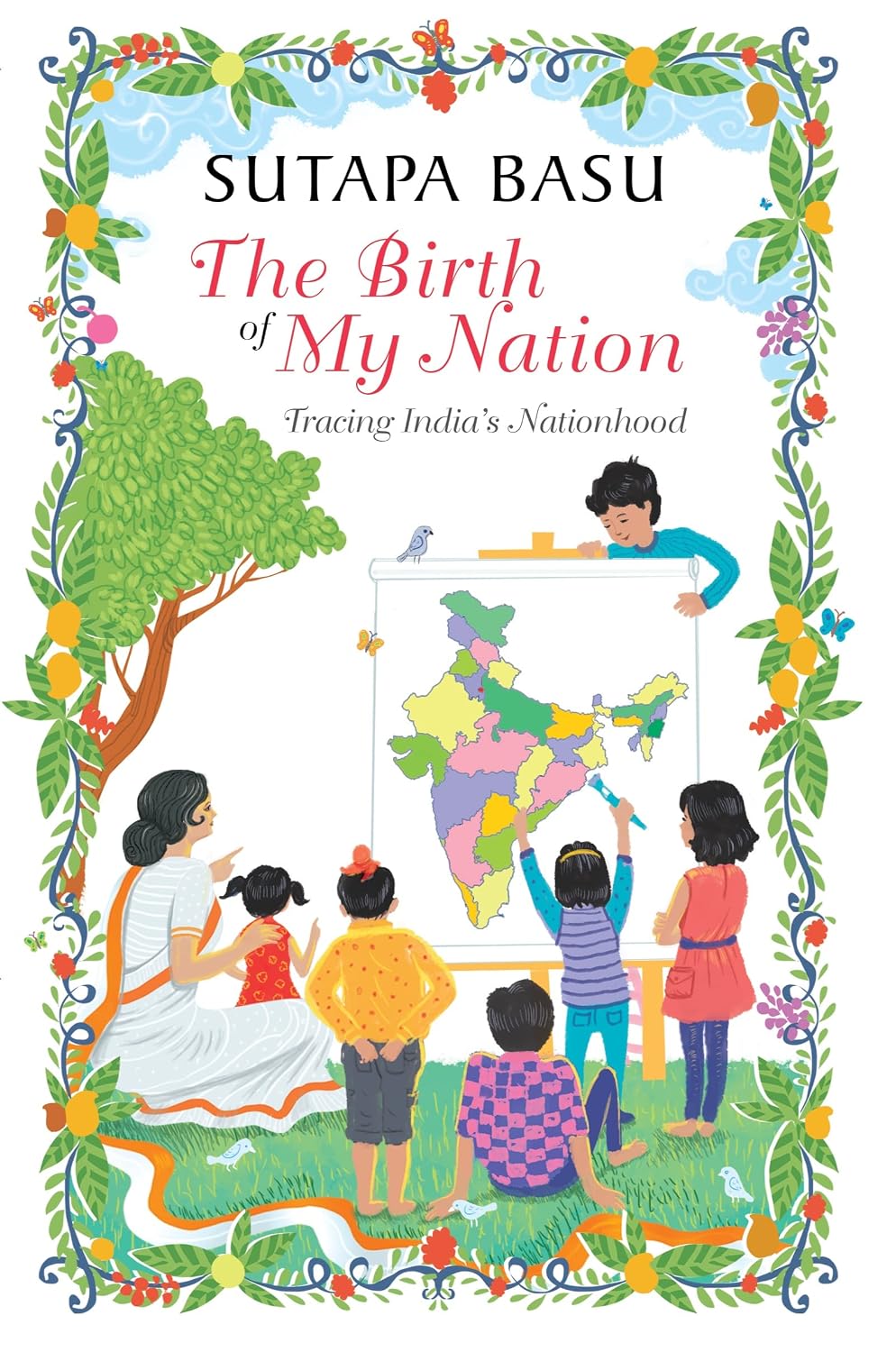
Her The Birth of My Nation also turns history into an experience rather than merely a lesson, bringing young readers into a narrative where our country’s existence is encountered through characters and discovery.
A civilisation that existed thousands of years ago can still surprise us. A forgotten trading port can raise questions about technology and commerce. An archaeological site can make us rethink what we thought we knew about our ancestors.
And a novel can make a young reader care enough to ask the next question.
The India of History, told through lives
History becomes most compelling when it moves beyond dates, battles and dynasties and brings us face to face with the people who lived through it. Their choices, ambitions, struggles and sacrifices give the past a human dimension—and help us understand the forces that shaped the India we know today.
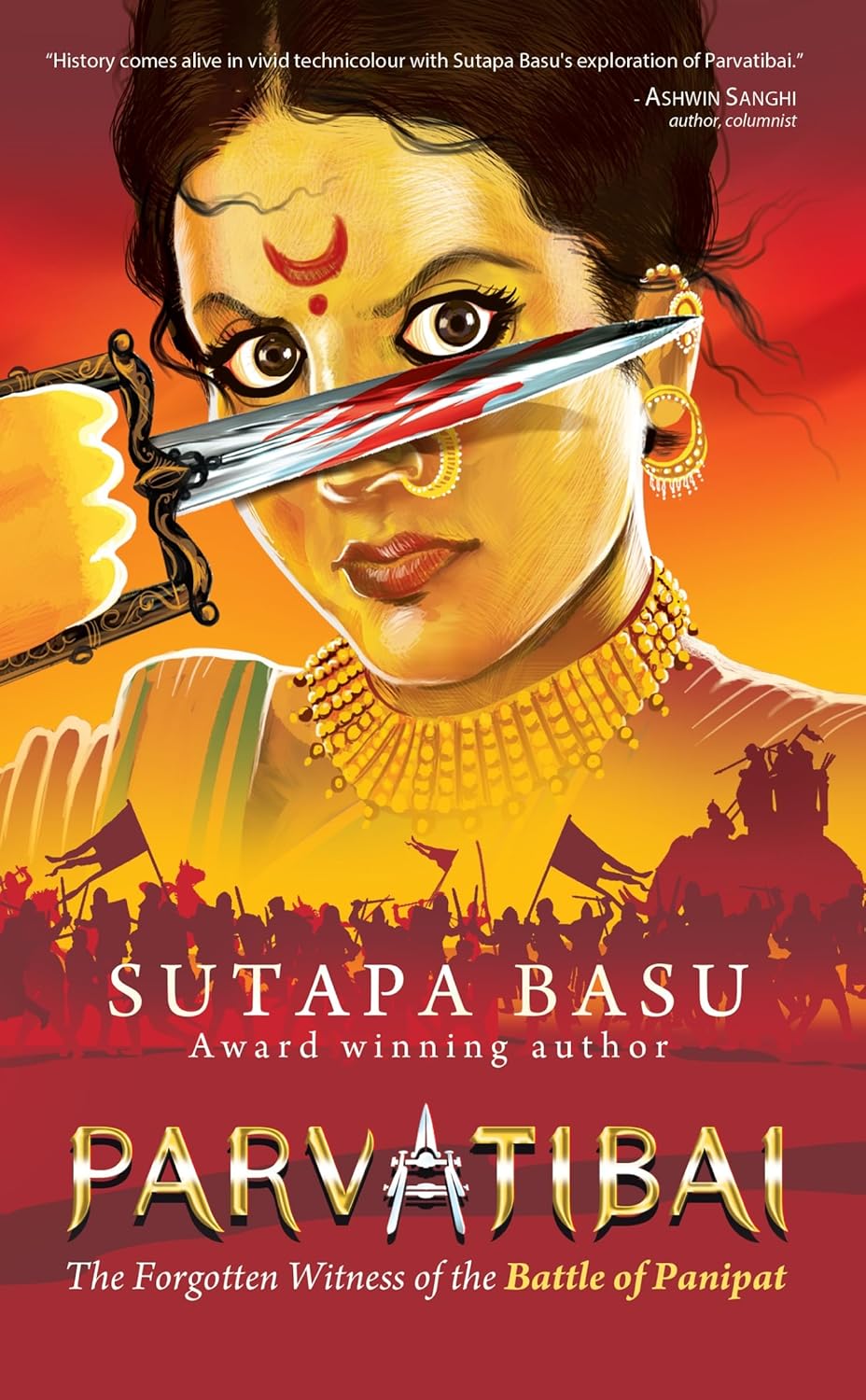
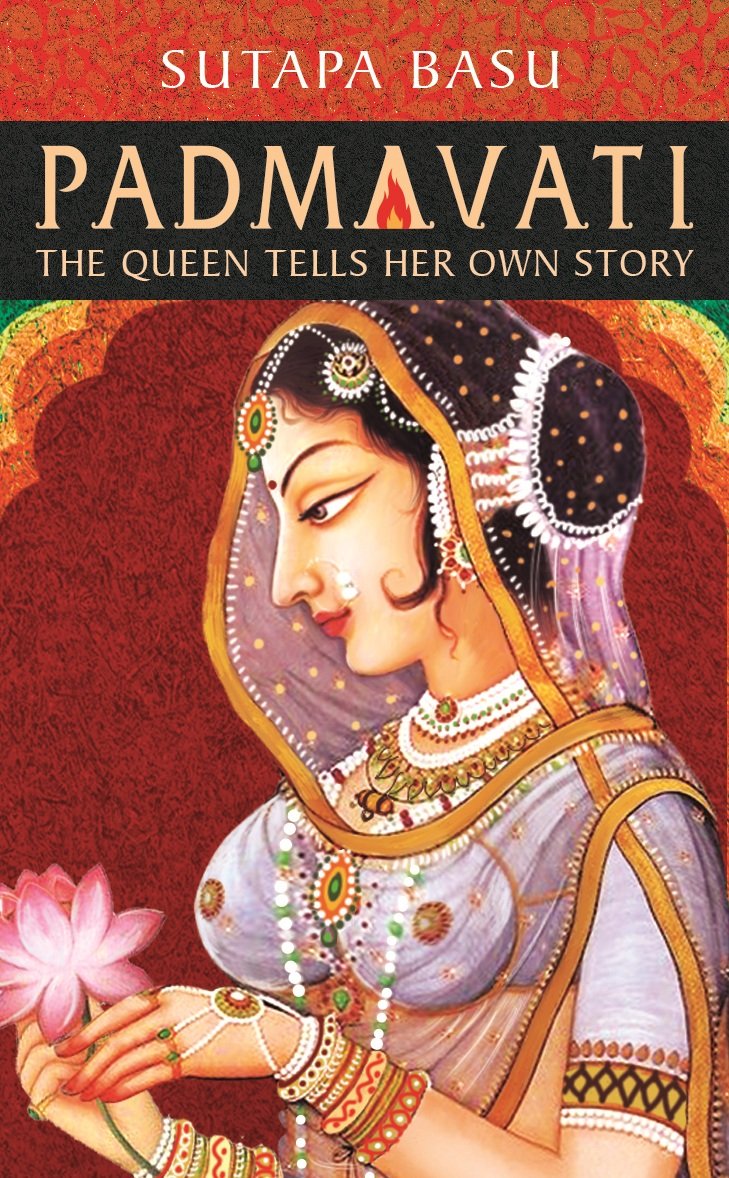
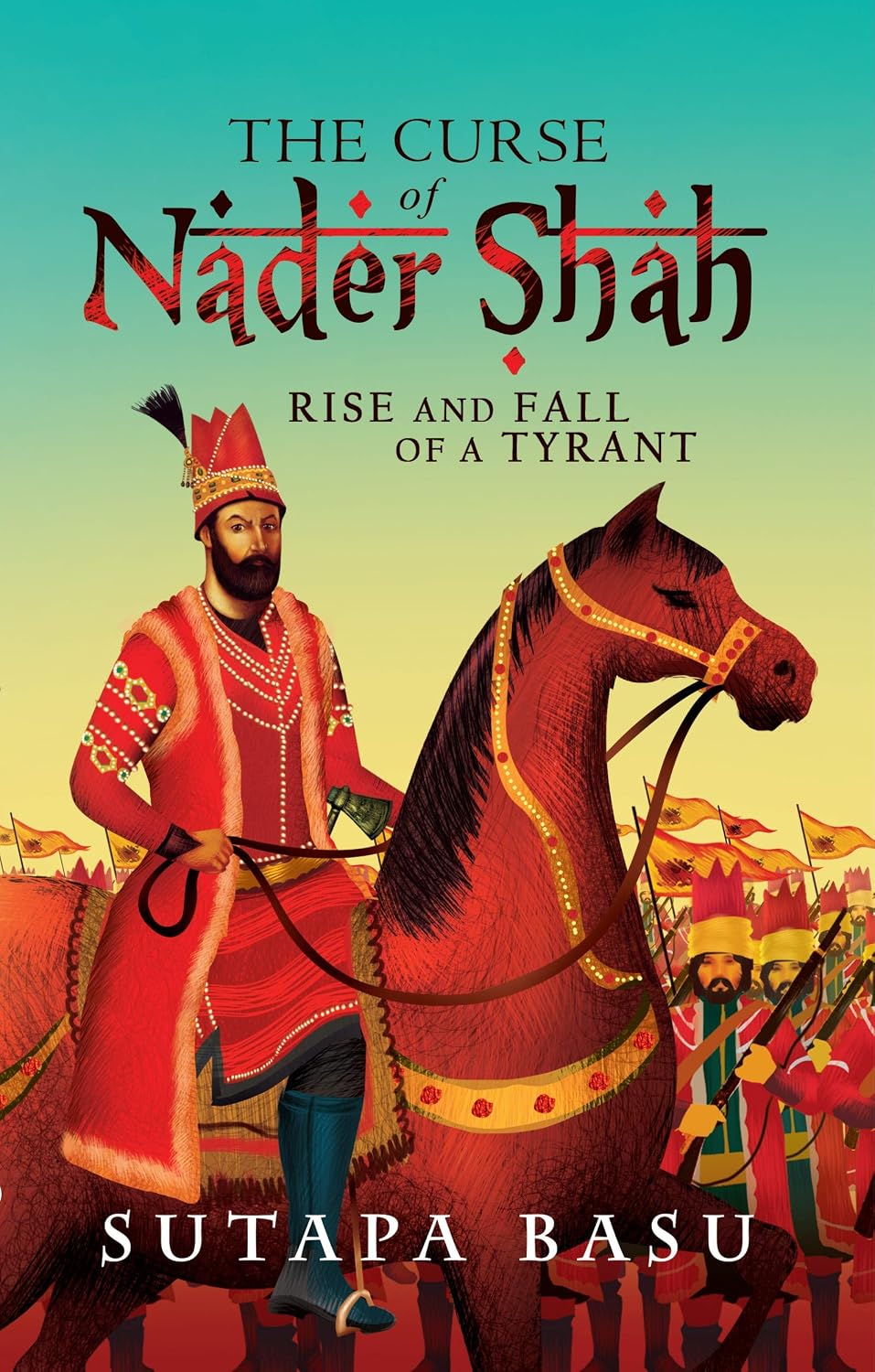
Sutapa Basu’s Parvatibai brings to life a woman caught in one of the most turbulent periods of Maratha history, offering a glimpse into the personal cost of political upheaval and the resilience of those who lived through it. Basu’s Padmavati revisits one of the most enduring figures of India's historical imagination, exploring the story, memory and legend that have surrounded her across generations. And her The Curse of Nader Shah takes readers into a darker chapter of the subcontinent's past, opening a window onto the invasion and upheaval that left a deep imprint on the history of India.
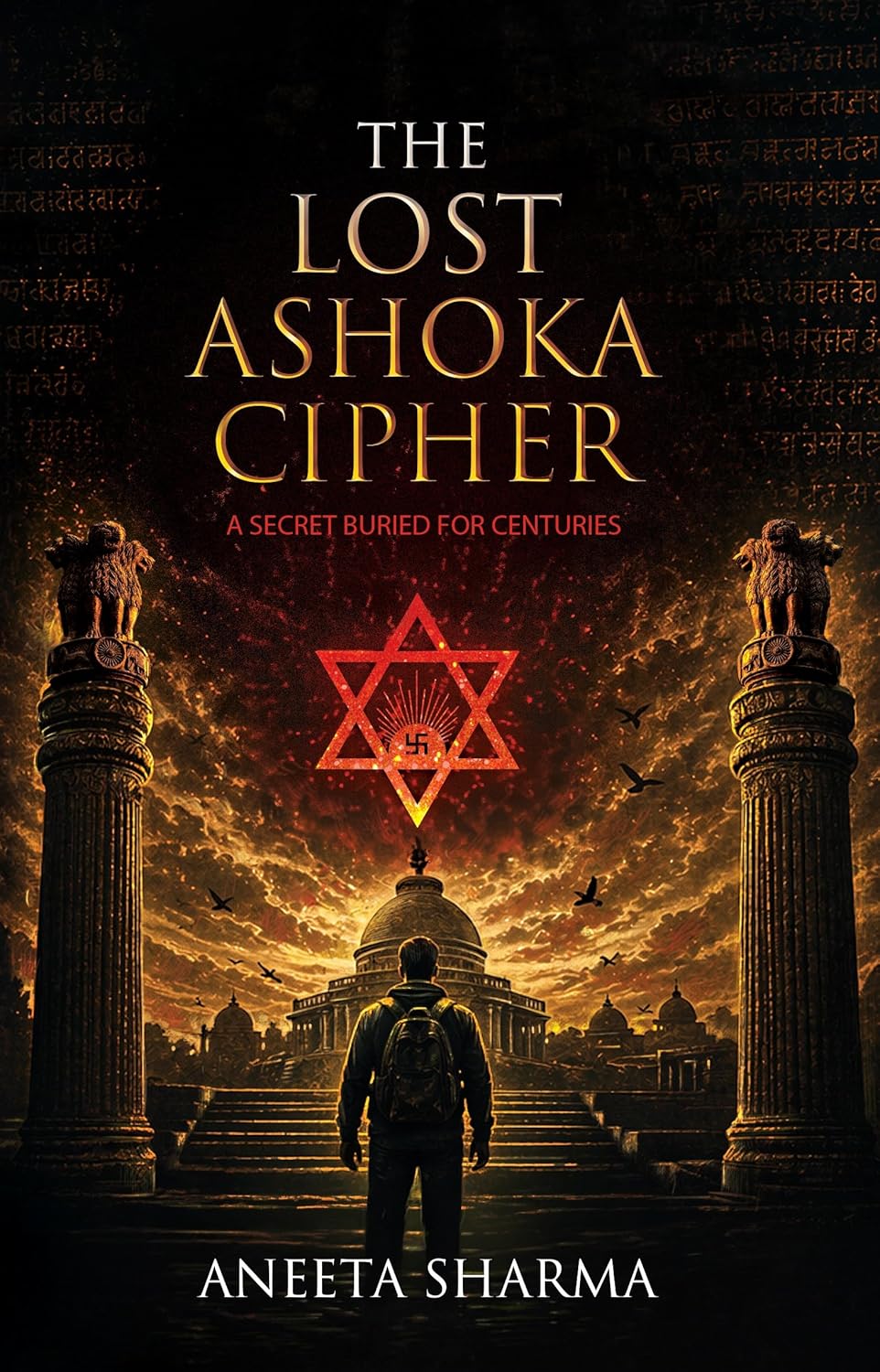
In The Lost Ashoka Cipher by Aneeta Sharma, the legacy of Ashoka, coded texts and the idea of hidden knowledge become the foundation for a contemporary historical thriller.
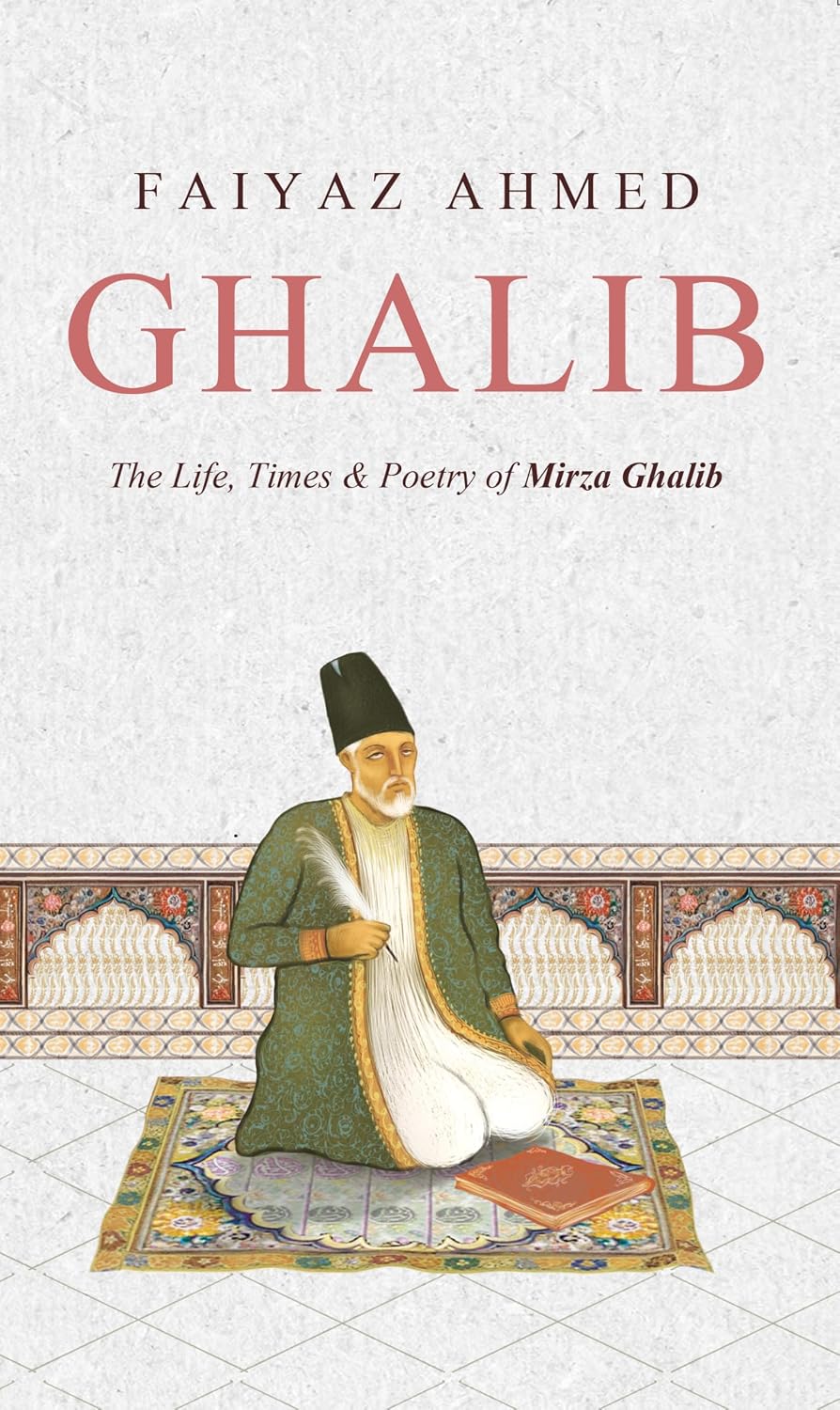
Ghalib: The Life, Times & Poetry of Mirza Ghalib by Faiyaz Ahmed brings together the life of the legendary poet with translations of much of his poetry, while placing him within the upheavals of nineteenth-century India—the twilight of the Mughal Empire, the uprising of 1857 and the consolidation of British rule.
The India that lives in myth
India's mythology is not simply a collection of stories about gods, kings and heroes. It is a vast, living tradition through which generations have explored love and loss, duty and desire, power and sacrifice, devotion and doubt. Its characters continue to fascinate us because their dilemmas are deeply human, even when their stories are extraordinary.
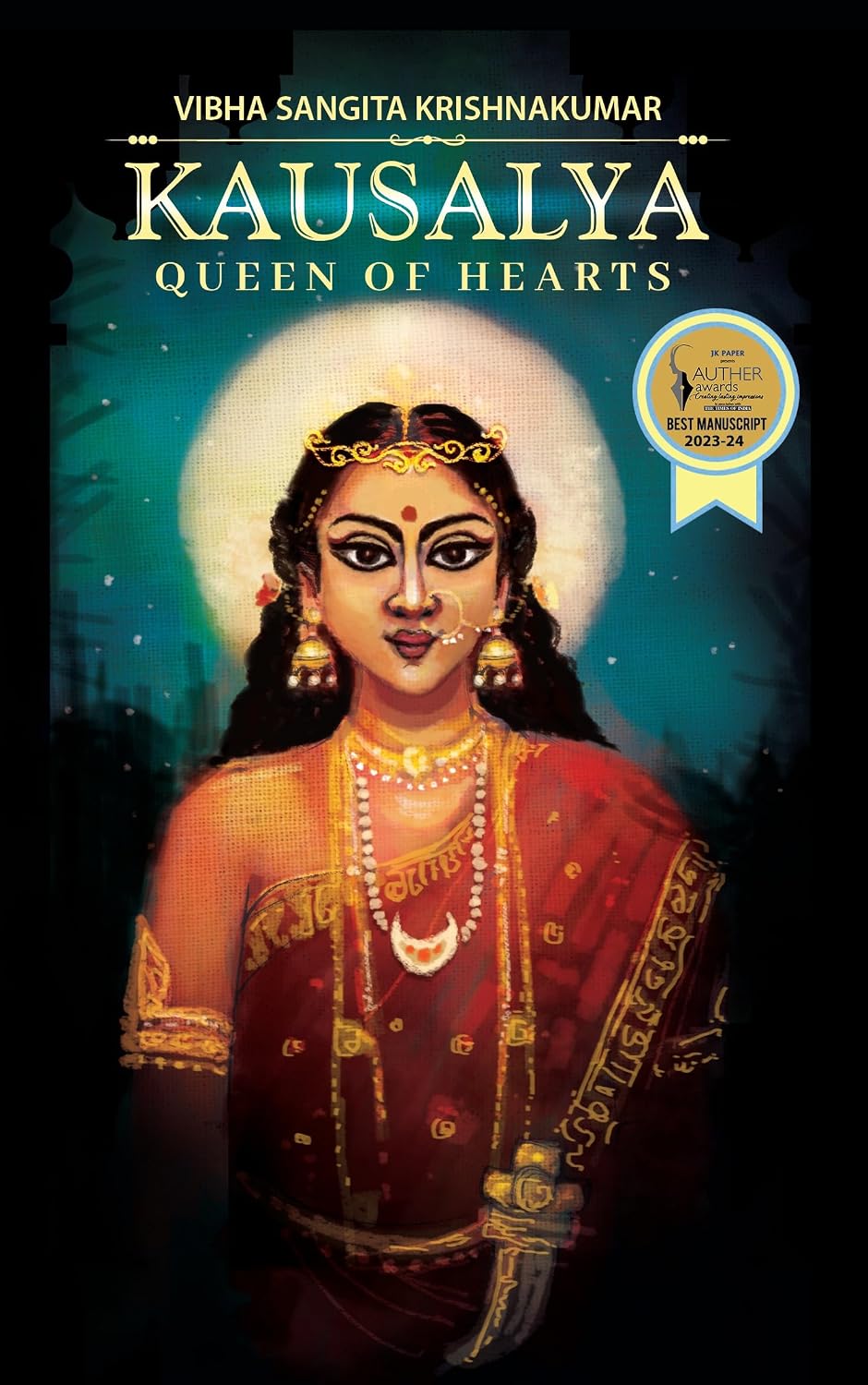
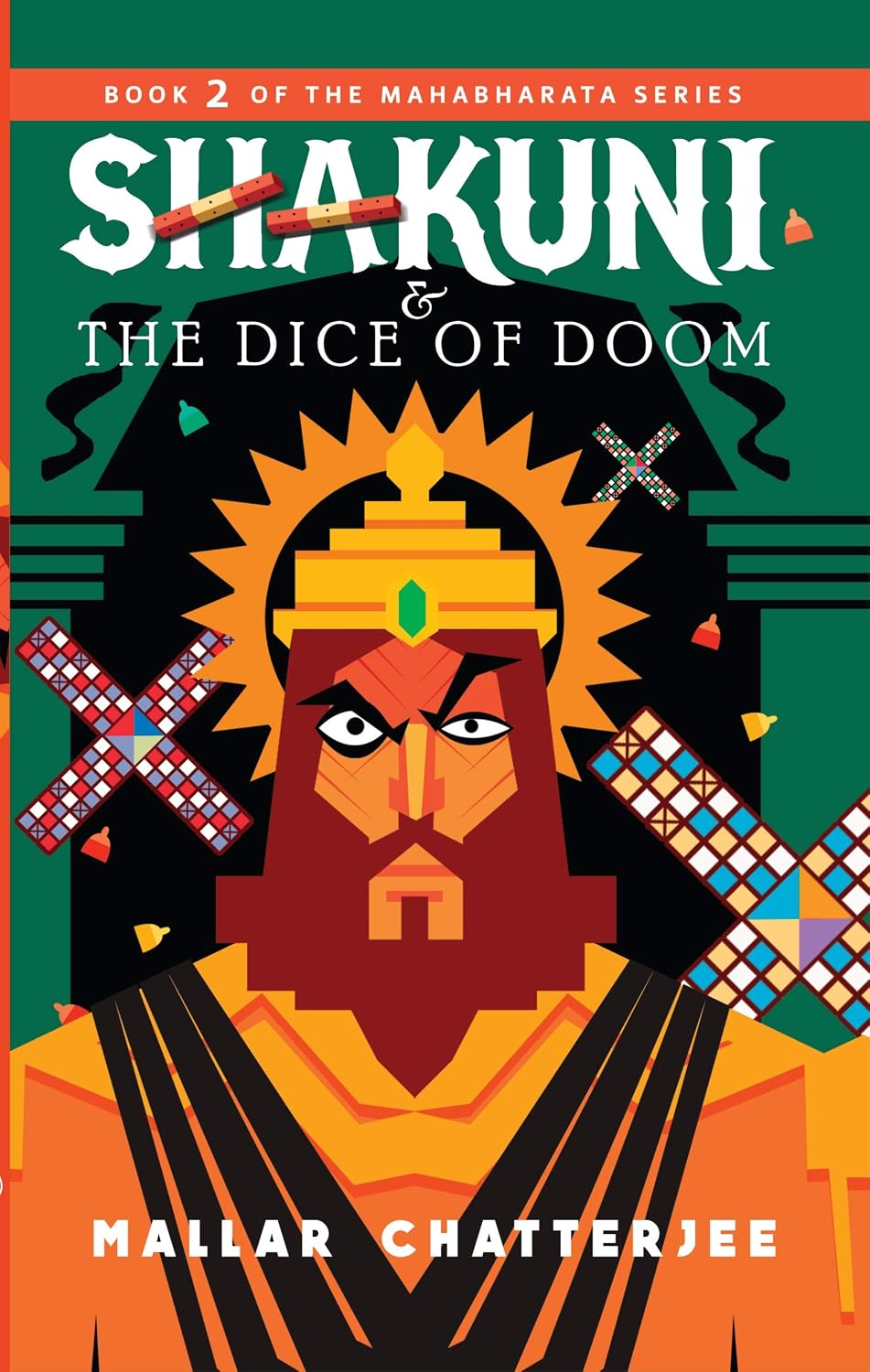
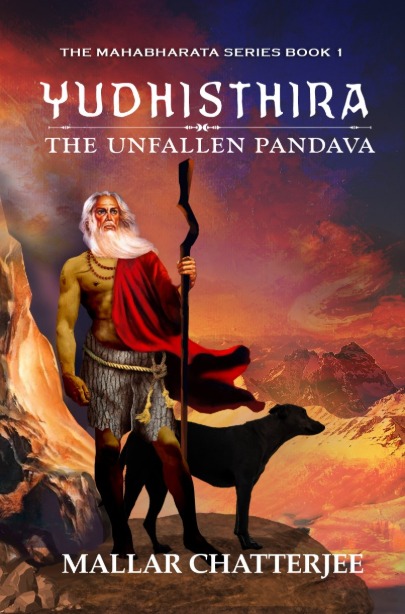
In Kausalya – Queen of Hearts, Vibha Sangita Krishnakumar turns the spotlight on a woman whose story is often overshadowed by the larger Ramayana narrative, inviting readers to look at Kausalya beyond her familiar identity as Rama's mother. Mallar Chatterjee's Shakuni & The Dice of Doom and Yudhisthira – The Unfallen Pandava return to the Mahabharata through two compelling figures, offering fresh perspectives on a world of power, choices, moral complexity and destiny.
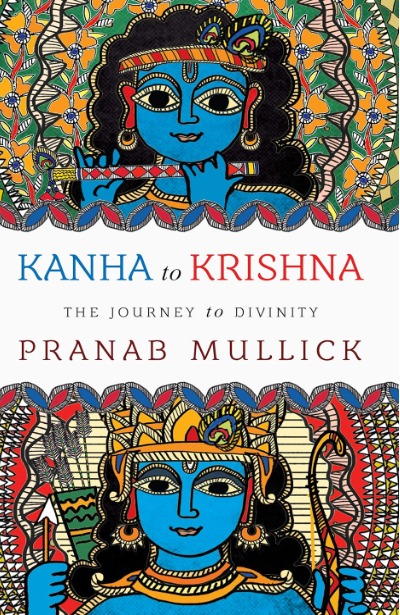
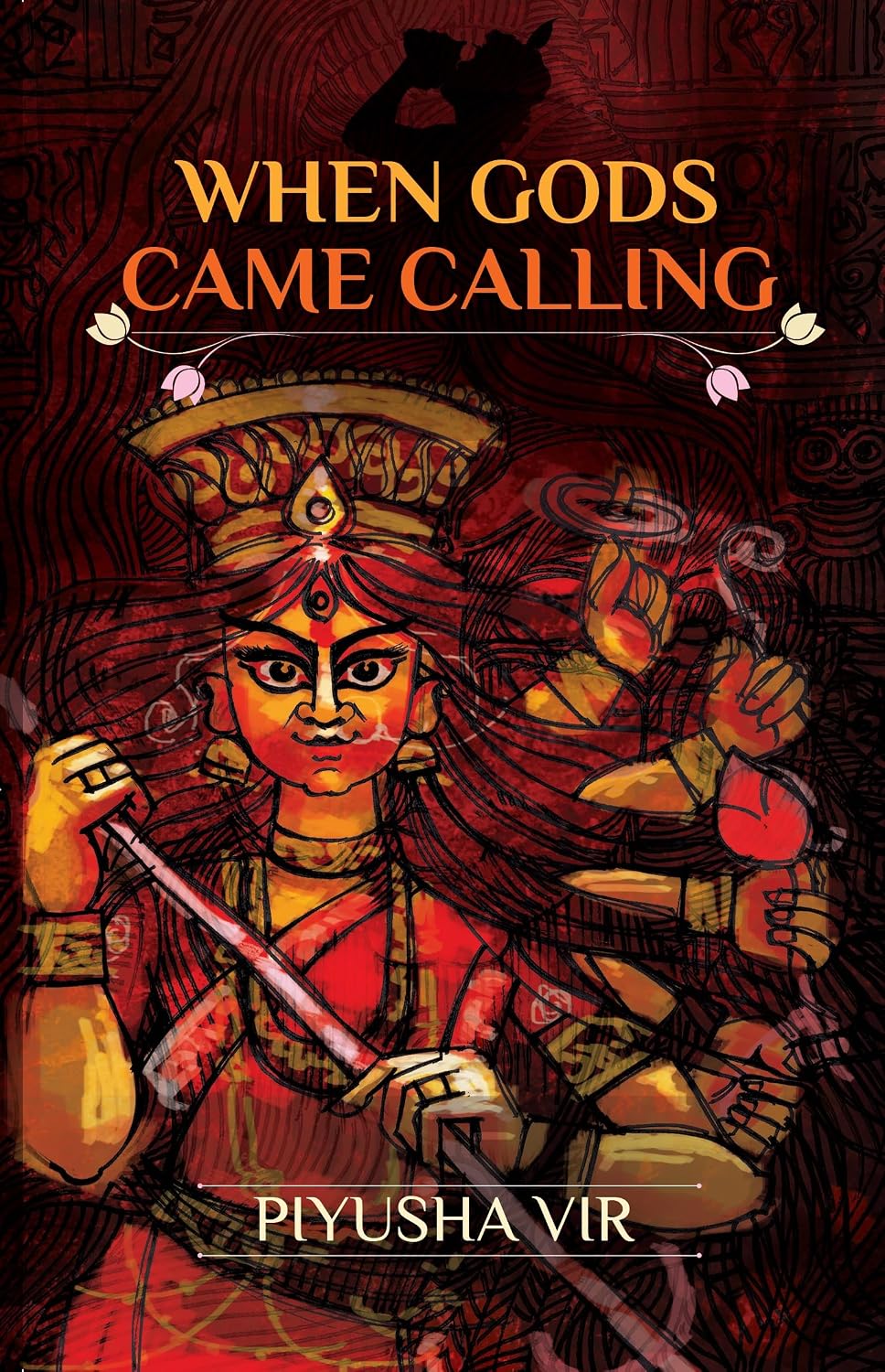
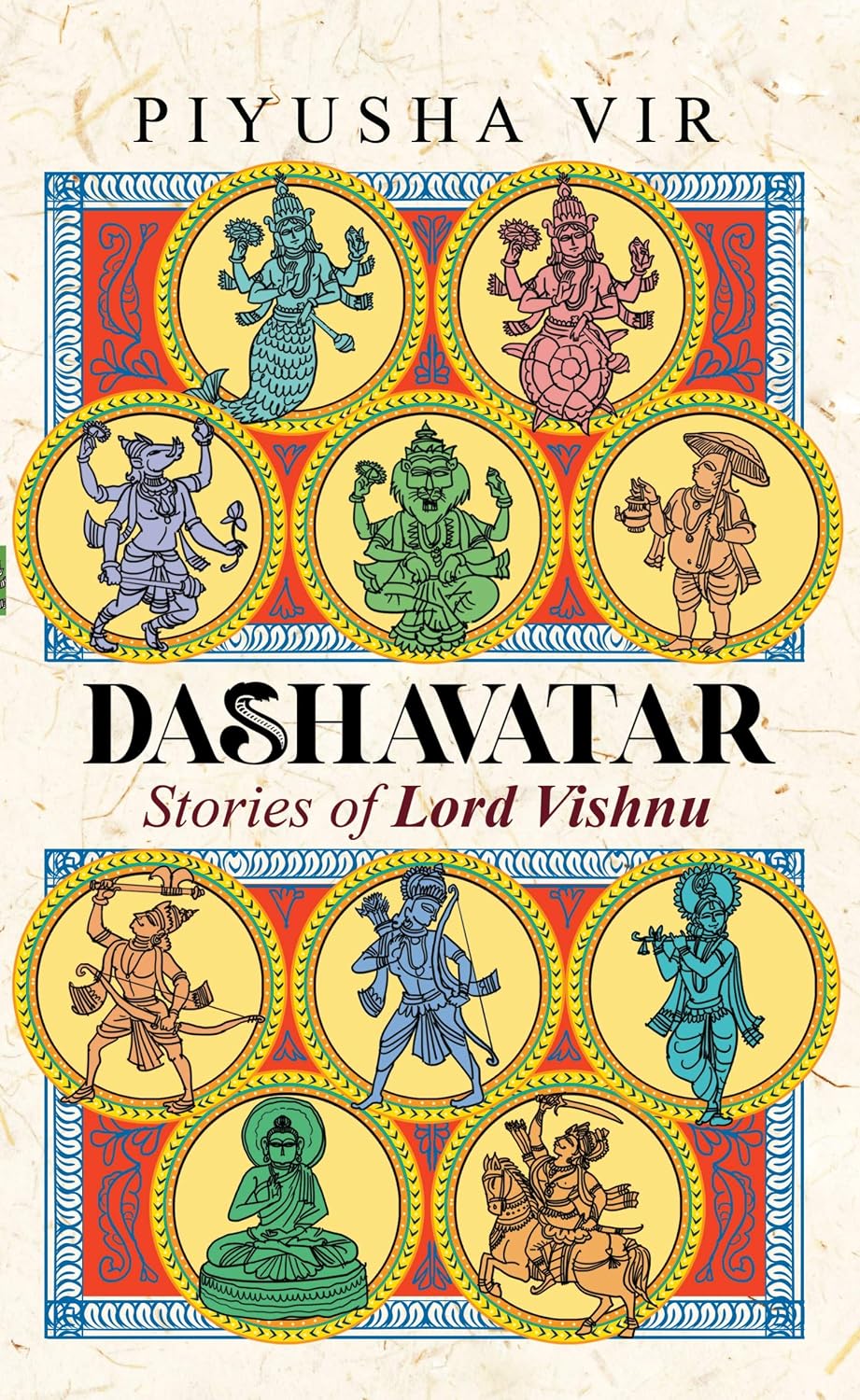
Pranab Mullick's From Kanha to Krishna explores the many dimensions of Krishna, tracing the journey from the beloved child Kanha to the complex and enduring figure of Krishna. When Gods Came Calling by Piyusha Vir brings mythology closer to the contemporary imagination, reminding us that ancient stories can still speak to modern readers in unexpected ways. Vir’s Dasavatara explores the ten incarnations of Vishnu, bringing together mythology, symbolism and the timeless ideas embedded within these ancient narratives.
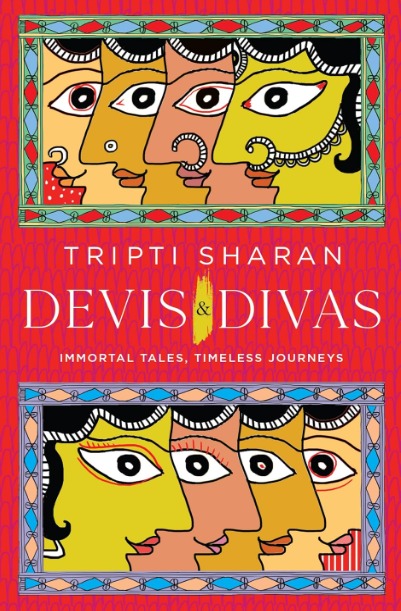
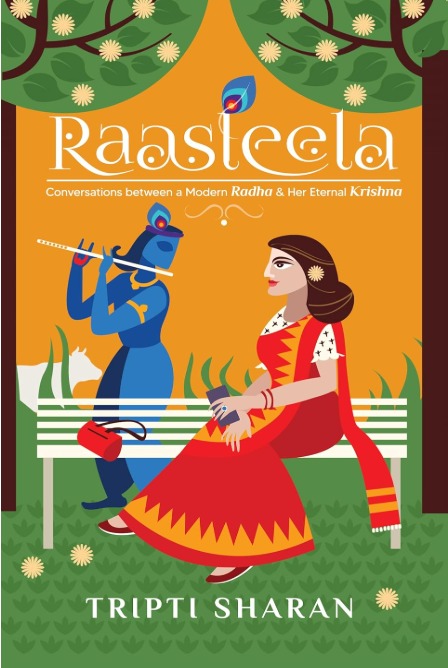
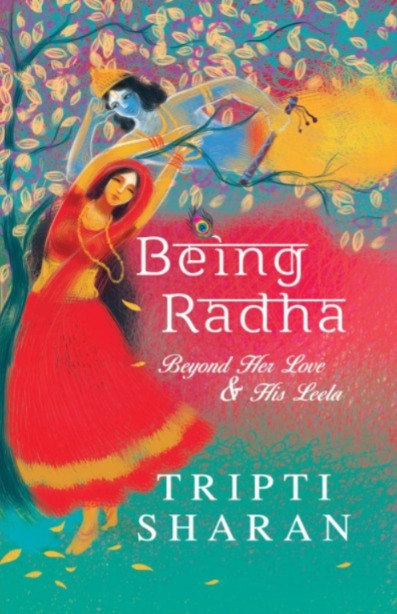
Tripti Sharan's books further explore the many facets of India's mythological and devotional traditions. Devis & Divas brings together stories of the divine feminine and the women who inhabit India's cultural imagination, while Rassleela and Being Radha delve into the enduring world of Krishna and Radha in a lyrical format, exploring love, devotion and the idea of the divine through deeply human emotions.
The stories may be ancient, but the questions they ask are timeless. Every generation returns to them with new perspectives, finds new meanings in familiar characters, and discovers that the myths we inherited still have something to say about who we are.
The India that lives in folktales
Long before stories were written down, they travelled from one generation to another through voices, fireside conversations, songs and bedtime tales. Folktales carry the wisdom, humour, fears and imagination of communities, preserving worlds that might otherwise disappear.
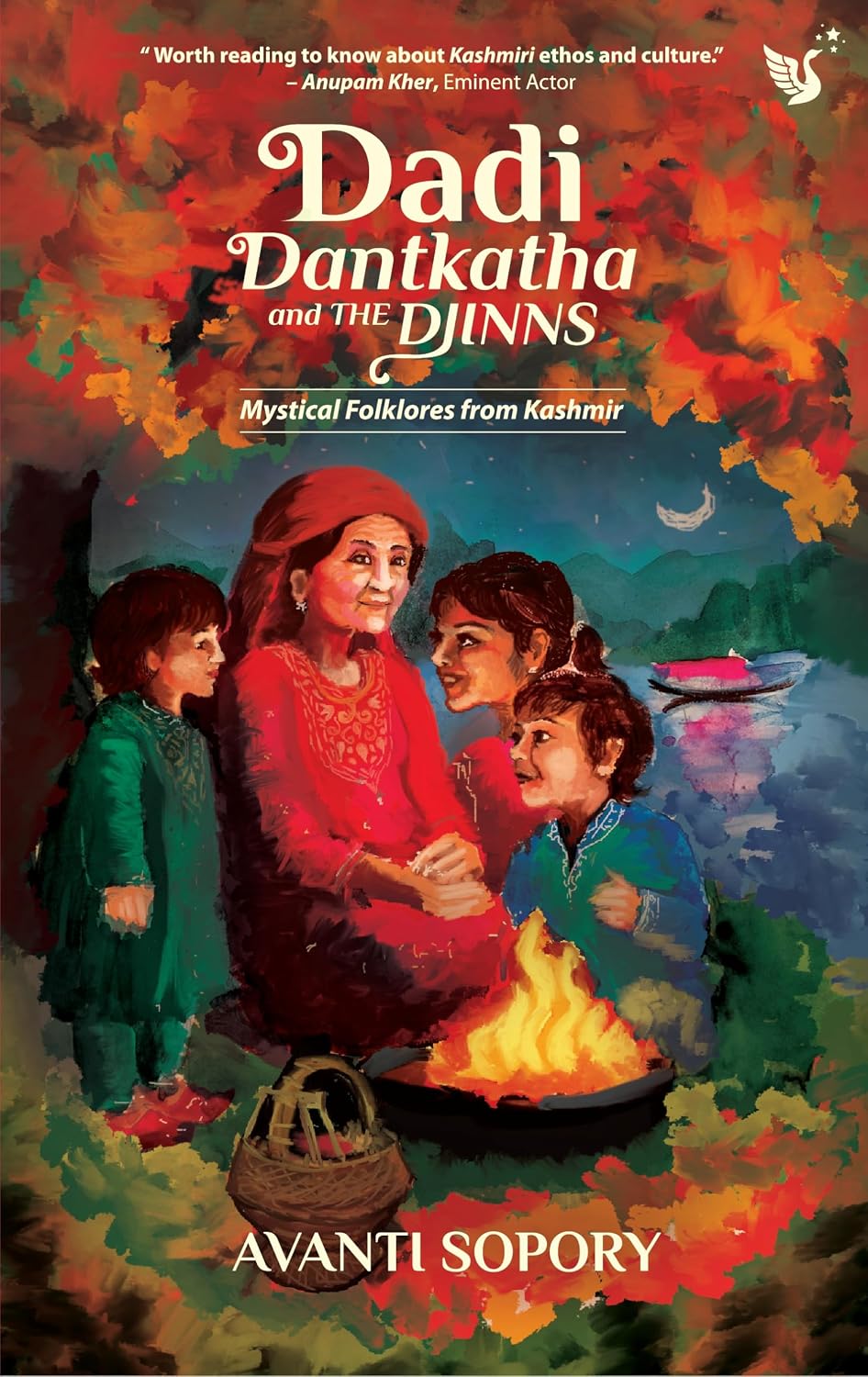
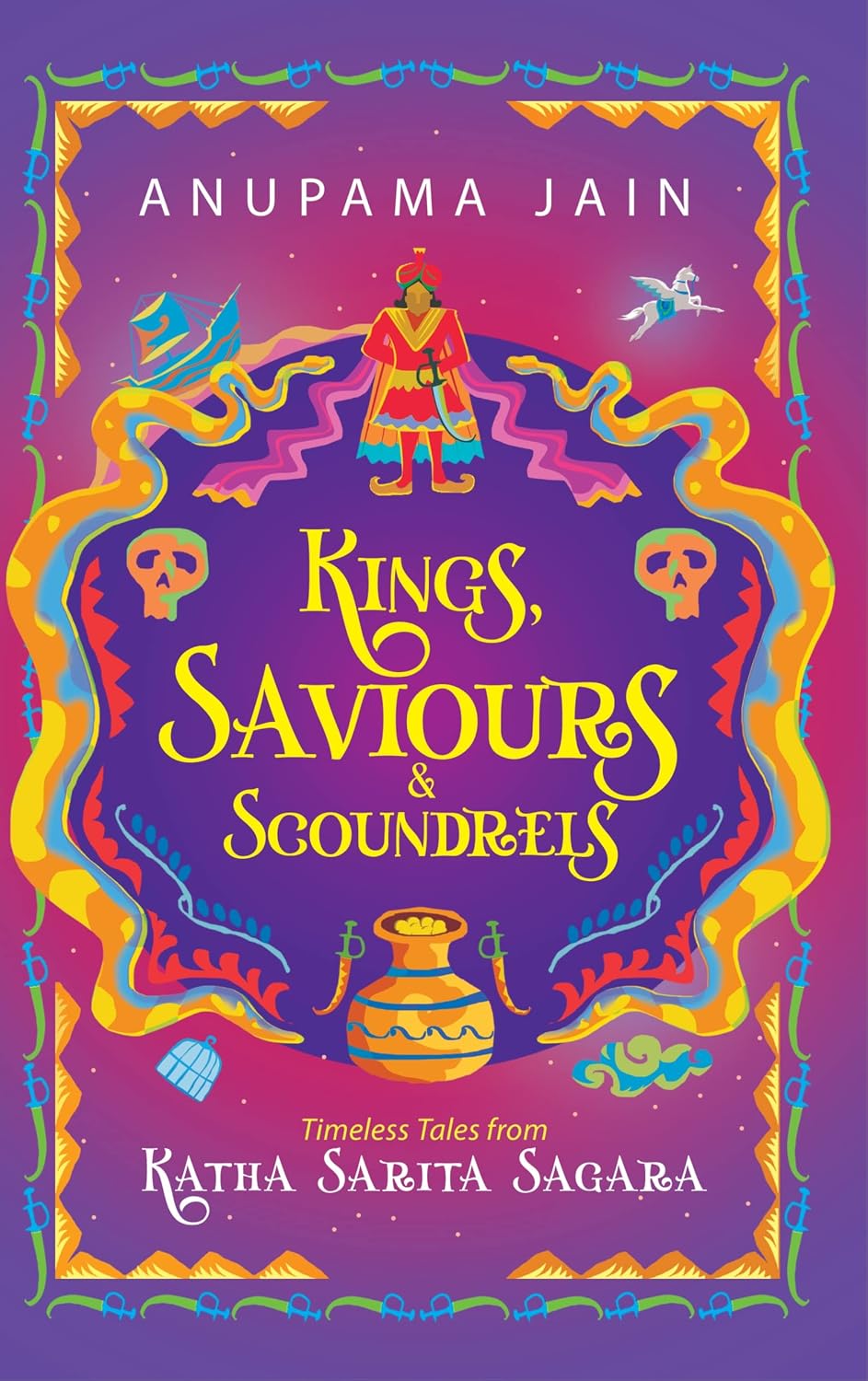
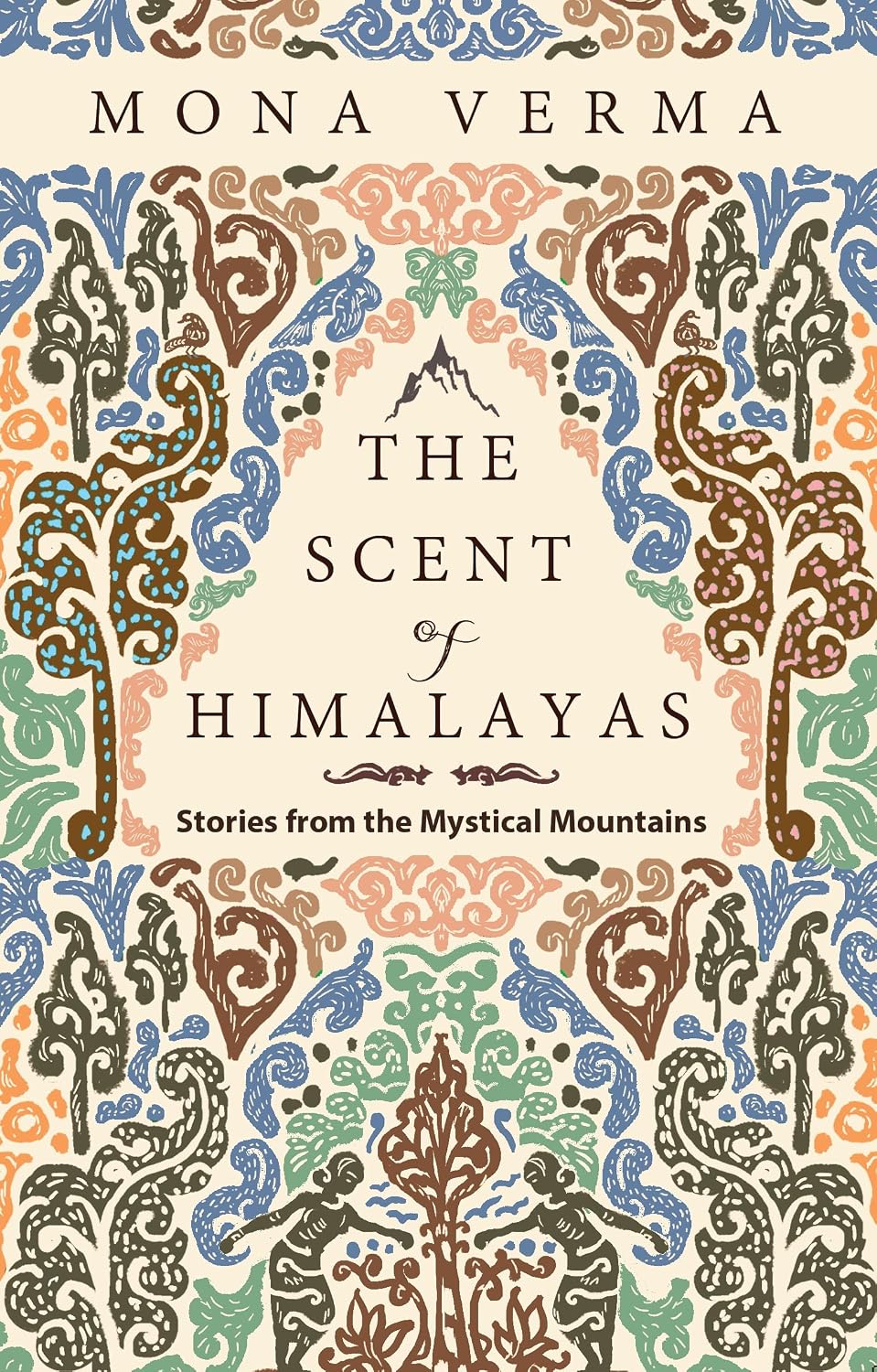
Avanti Sopory's Dadi, Dantkatha and the Djinns brings together the magic of Kashmiri oral storytelling with the mysteries of djinns and the warmth of stories passed down through generations. Anupama Jain's Kings, Saviours & Scoundrels – Tales from Katha Sarita Sagara revisits the rich tradition of Katha Sarit Sagara, bringing its kings, heroes, tricksters and rogues to contemporary readers while retaining the flavour of India's great storytelling heritage. Mona Verma's The Scent of Himalayas takes readers into the evocative world of Himalayan stories and landscapes, where folklore, memory and the rhythms of mountain life come together.
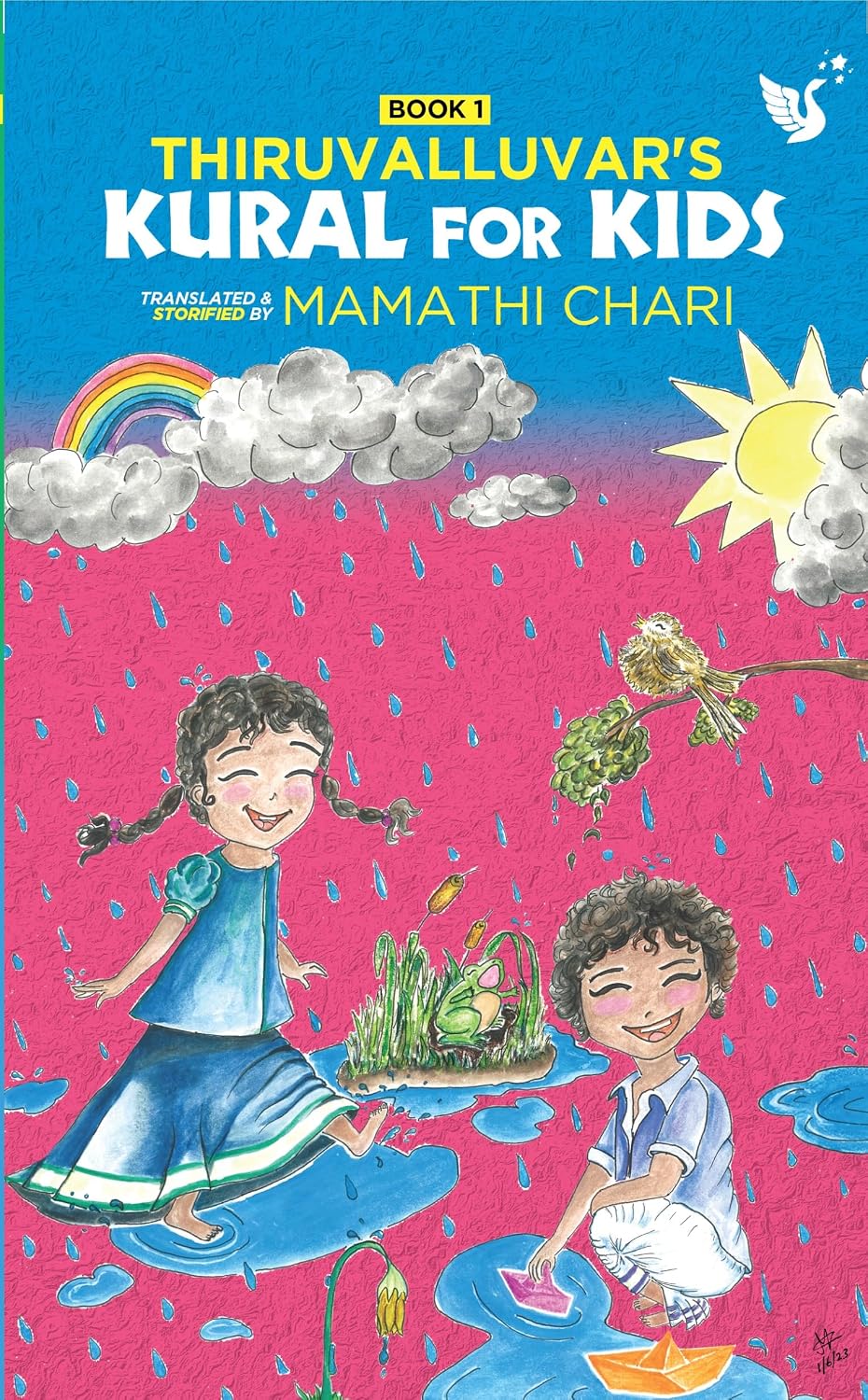
Mamathi Chari's Kural for Kids brings the timeless wisdom of the Thirukkural to young readers in an accessible and engaging way, making its lessons on kindness, courage, integrity and good conduct relevant to a new generation. It shows how India's ancient wisdom can continue to guide and inspire children today.
These books remind us that a nation's cultural memory does not live only in grand histories and ancient texts. Sometimes, it survives in the stories told by a grandmother, a tale whispered around a village, or a legend carried from one generation to the next.
The India that built and traded
We often tell India's history through emperors, battles and political movements. But nations are also shaped by merchants, entrepreneurs, artisans, traders and families who build economies and communities.
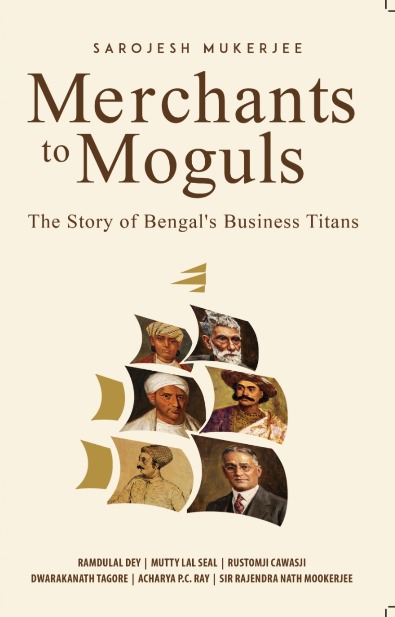
Sarojesh Mukerjee's Merchants to Moguls brings attention to another aspect of India's past: Bengal's business history and its forgotten business titans. Its very premise challenges the familiar stereotype of Bengalis as intellectuals rather than entrepreneurs, inviting readers to rediscover a commercial history that deserves a larger place in our understanding of the region. This book chronicles Bengal's forgotten business titans.
The India that argues, believes and coexists
India's diversity is often spoken about as a slogan. Books can make it a lived experience.
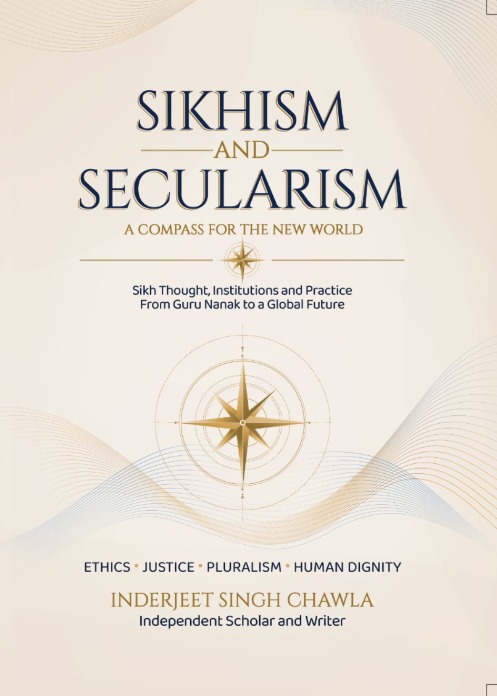
Sikhism and Secularism by Inderjeet Singh Chawla examines Sikh history, philosophy and the idea of pluralism, tracing the tradition's emphasis on equality, human dignity and shared humanity. It also explores the Golden Temple and langar as enduring symbols of inclusion.
At a time when conversations about identity can become increasingly polarised, books allow us to do something invaluable: listen before we judge.
They give us the opportunity to enter another worldview, not necessarily to agree with everything within it, but to understand where it comes from.
The India that questions
Then there is the India of ideas.
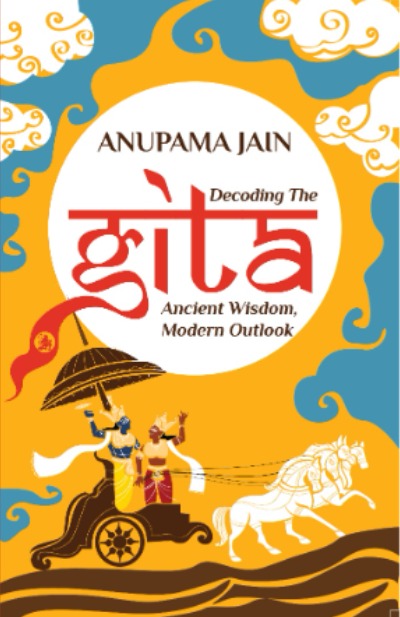
Anupama Jain's Decoding the Gita approaches one of India's most enduring philosophical texts through a contemporary lens, bringing the dialogue between Krishna and Arjuna into conversation with the dilemmas of modern life. Rather than treating the Gita as something that belongs exclusively to the past, the book asks what its ideas about duty, action, knowledge and choice might mean to readers today. Ancient texts remain alive not because we leave them untouched, but because every generation finds new questions within them.
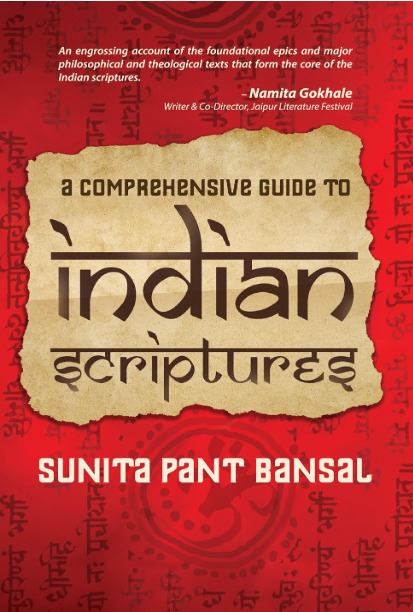
Sunita Pant Bansal's A Comprehensive Guide to Indian Scriptures opens a window into the vast philosophical heritage of India's sacred texts, from the Vedas and Upanishads to the Puranas and Smriti literature. As we celebrate Independence, such books remind us that India's freedom also carries an inheritance of ideas, questions and wisdom that has travelled across centuries—and continues to shape how we understand ourselves.
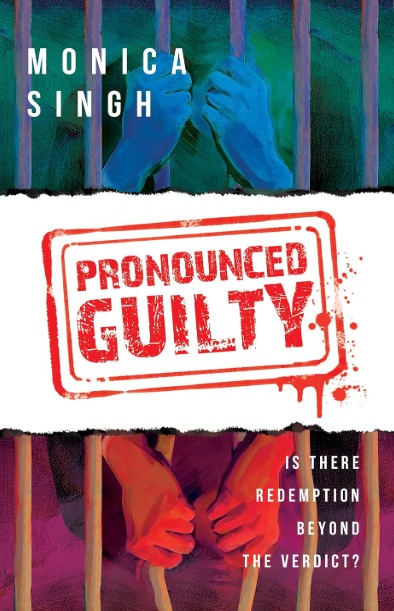
Monica Singh's Pronounced Guilty reminds us that the idea of freedom is not limited to the freedom of a nation—it also encompasses justice, dignity and the possibility of a second chance. By bringing ex-convicts, a lawyer and a psychologist into the same narrative, the novel asks us to consider what true freedom means for individuals within a society.
This too is part of India's inheritance: the freedom to question, interpret and reinterpret.
The India that remembers through land
History does not always live in archives. Sometimes it lives in landscapes.
In The Highlands of Yore, Monisha Raman creates the mythical mountain district of Betta and follows generations of women whose lives are intertwined with land, memory, knowledge and inheritance. Spanning centuries, the novel explores indigenous wisdom, ecological harmony and the ways in which women preserve stories and traditions.
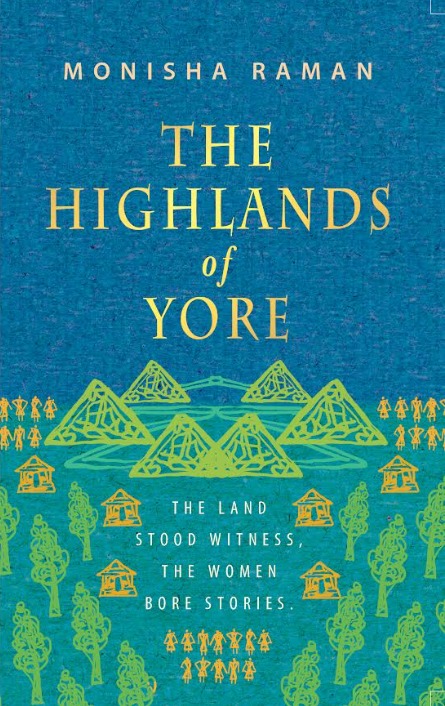
It reminds us that the history of India is also the history of its landscapes—and of the people who have lived in relationship with them.
A forest remembers differently from a city.
A mountain remembers differently from a monument.
A community remembers differently from an archive.
Books give all these forms of memory a place.
The India of women who refused to be limited
The story of India's freedom is also a story of women who have challenged the boundaries placed before them—not always through dramatic acts of rebellion, but through the simple, determined decision to pursue a dream in a world that told them they could not.
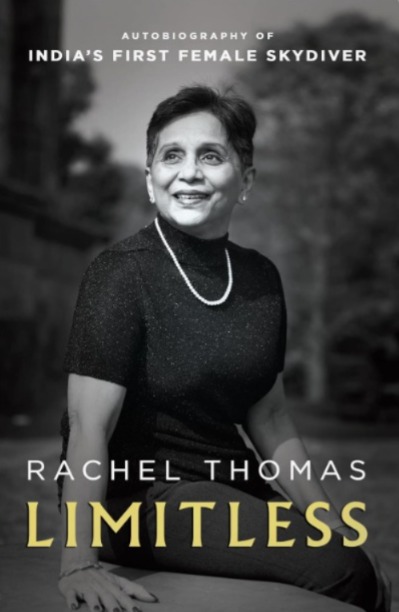
In Limitless, Padma Shri awardee Rachel Thomas recounts her extraordinary journey from a middle-class upbringing and the challenges of raising two children alone to becoming India's first female skydiver. She entered a sport that was then largely the preserve of men, went on to represent India internationally, become a qualified judge, and in 2002 planted the Tricolour at the North Pole. Her memoir is ultimately not just about skydiving; it is about courage, resilience and the refusal to allow convention to determine the limits of one's life.
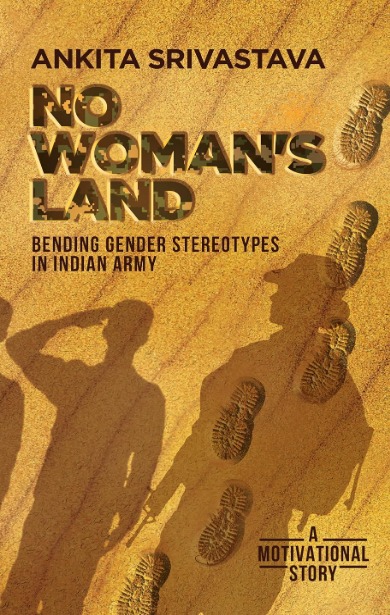
No Woman's Land by Lt Col Ankita Srivastava tells another remarkable story of breaking barriers. From a small-town girl who dreamed of becoming a soldier to an officer in the Indian Army, Ankita navigated a traditionally male-dominated institution, served in counter-insurgency areas and took on the demanding responsibilities of the Army Ordnance Corps. Told with grit, honesty and humour, her memoir is a story of perseverance, identity and the determination to claim one's place where society once said there was none.
These memoirs remind us that freedom is not only a historical achievement; it is also the freedom to dream beyond convention, to choose one's own path and to refuse the boundaries imposed by circumstance. The courage of such women becomes another part of the story of a nation—and another reason those stories deserve to be remembered.
India’s stories need not always arrive wearing the clothes of a textbook.
It can arrive as a thriller.
As a poem.
As a memoir.
As a family recipe.
As a philosophical conversation.
As a love story.
As a mystery buried beneath an archaeological site.
That is the extraordinary power of publishing.
A nation is also a collection of stories
On Independence Day, we rightly remember the freedom struggle. We remember those who fought, sacrificed and dreamed of a free India.
But perhaps we should also ask: What are we doing with the freedom they gave us?
One answer is this: we must continue to tell.
Tell the stories of people who migrated.
Tell the stories of communities that survived.
Tell the stories of forgotten entrepreneurs.
Tell the stories of women whose names disappeared from official histories.
Tell the stories of ancient civilisations.
Tell stories about faith and coexistence.
Tell stories of incredible and feisty women.
Tell stories about food, language, land and memory.
Tell stories that challenge us.
Tell stories that comfort us.
Tell stories that make us ask better questions.
Because when a story disappears, a small piece of a nation's memory disappears with it.
The age of reels is not the enemy of books. In fact, digital culture can bring more people to stories than ever before. A reel can make us curious. A post can introduce us to an author. A screen can make us pause.
But the book asks us to do something different.
It asks us to stay.
To turn the page.
To live inside someone else's experience for a while.
To remember.
And perhaps that is what a nation needs too.
Not just citizens who know its history, but citizens willing to sit with it.
India is not one story. It is millions of them—some celebrated, some forgotten, some contested, some passed down at dinner tables, some preserved in archives, and some waiting patiently for a writer to discover them.
Every book that preserves one of those stories adds another piece to the vast, unfinished portrait of India.
So this Independence Day, let us celebrate not only the freedom to speak, write and publish—but also the responsibility to remember.
Because nations are built by people.
But nations endure through stories.
Happy Independence Day! Happy reading!

Comments